Castro of Fazouro, Archaeological site in Foz, Spain
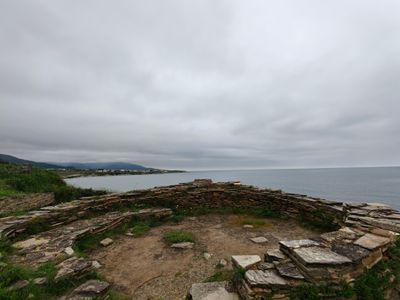
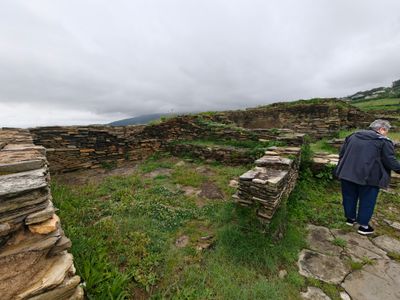
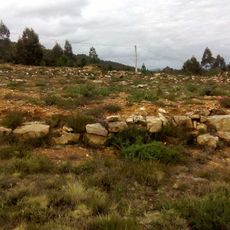
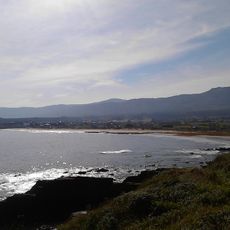
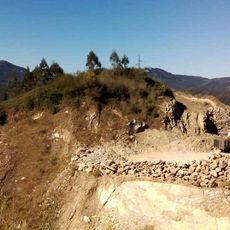
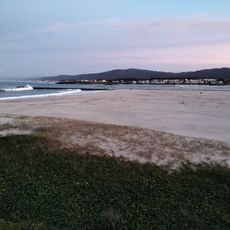
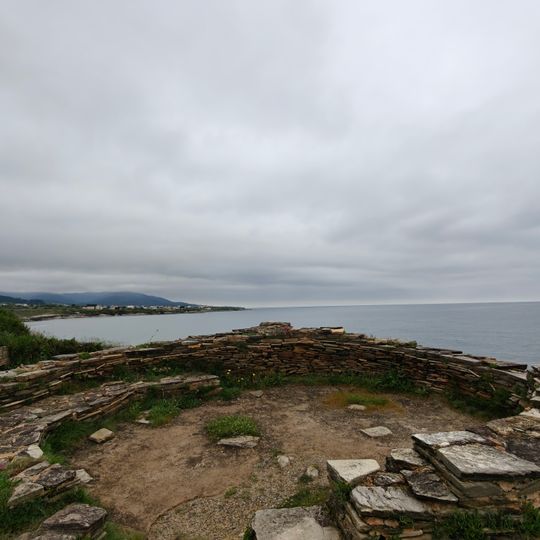
The Castro of Fazouro is an ancient settlement on a gentle slope by the Cantabrian Sea in Foz, Lugo. Its landward access is marked by a filled-in moat; no wall is visible. The excavated 700 m² area holds mostly square buildings with angular or rounded corners, paved courtyards, interior stone benches, and central hearths.
The castro was occupied between the 1st and 3rd centuries CE, with structures dating to the final occupation at the end of the 3rd century. It was excavated in 1963 and 1965 after Leopoldo Carro Moledo, a local resident, identified the site and urged its protection. Archaeologists José González de Sela y Torres and J.J. Suárez Acevedo published the first findings in 1963. Consolidation and restoration took place between 1988 and 1993, and it was declared a Bien de Interés Cultural in 2017.
The name Fazouro comes from the parish in Foz where the site lies. Excavated ceramics include pots, red-slipped dishes and a few jugs and cups, with burnished and incised decoration; a bronze omega fibula and a hairpin were also found. Cattle bones among the organic remains point to livestock keeping alongside farming and metalwork.
The site is exposed to open elements, so bring weather protection and sturdy footwear when exploring the hillside setting. Information boards scattered around help orient visitors and explain the layout of the ancient structures.
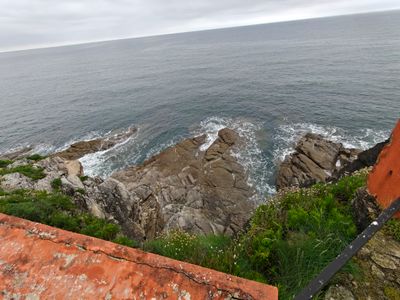
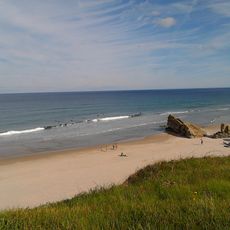
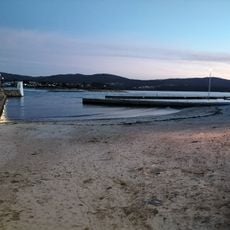
In the square building closest to the sea, nine steps attached to the outer wall led up to a stone platform, likely a second floor. Marine erosion has already removed 25 to 30 metres of the site toward the sea.
The community of curious travelers
AroundUs brings together thousands of curated places, local tips, and hidden gems, enriched daily by 94,752 contributors worldwide.