Hermitage of San Isidro, Hermitage church in Madrid, Spain
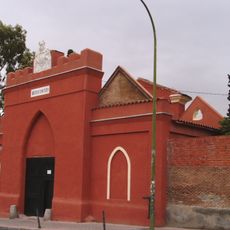
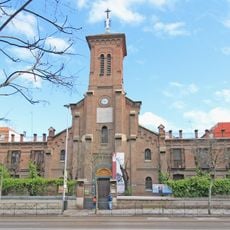
The Hermitage of San Isidro is a small chapel in Madrid featuring a simple architectural style with a central prayer hall. The building is surrounded by a modest garden that creates a green space within the urban setting.
A first hermitage was ordered built in 1528 by Empress Isabella of Portugal beside a spring already known in the 12th century, on land of Iván de Vargas, Isidro's employer; the healing of Prince Philip was attributed to its water. The present building dates from 1725, financed by Baltasar de Zúñiga, Marquis of Valero, during the reign of Philip V. It was burned during the Civil War and rebuilt with neo-baroque altars.
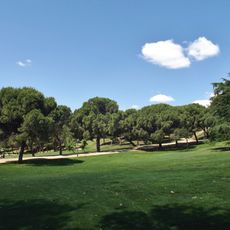
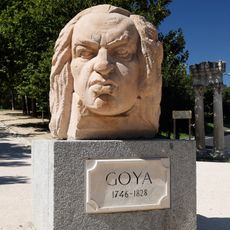
The romería to San Isidro is held every 15 May on the meadow beside the hermitage and has grown over time into a verbena, a popular street fair. Pilgrims first came to drink from the spring, a custom older than the building itself. The image of the hermitage against the meadow was painted by Francisco de Goya, who came to Carabanchel to record local customs.
The hermitage stands at the end of Paseo del Quince de Mayo, on the right bank of the Manzanares in Carabanchel, near the San Isidro cemetery. The spring that gave the site its fame was capped in the mid-20th century and connected to the Canal de Isabel II, so there is no water to drink today. The 15 May romería fills the surrounding meadow, so expect crowds then.
The site is known for being dedicated to San Isidro, a sainted farmworker who lived in Madrid and was venerated for his miracles among common people. This special connection between a laborer and a saint makes the place meaningful for pilgrims and those interested in local history.
The community of curious travelers
AroundUs brings together thousands of curated places, local tips, and hidden gems, enriched daily by 93,376 contributors worldwide.