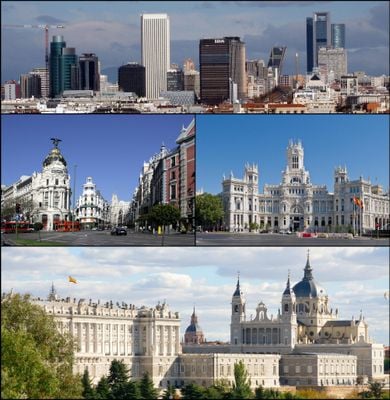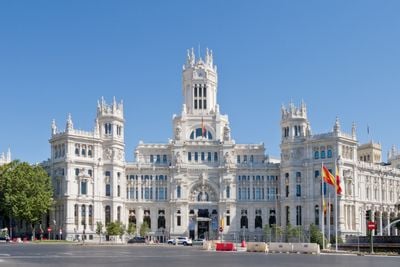
Madrid, Capital city in central Spain.
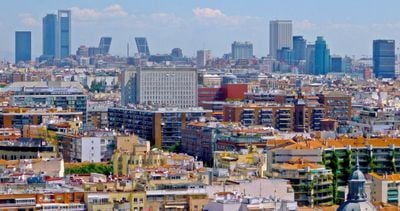
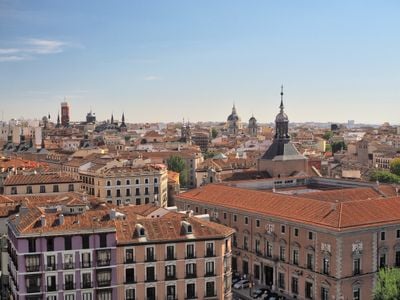
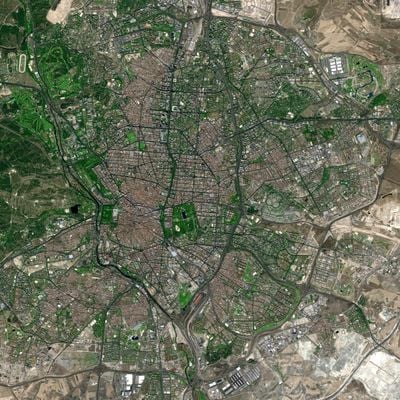
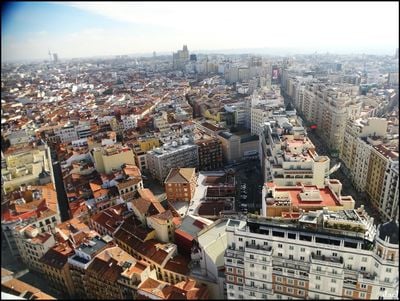
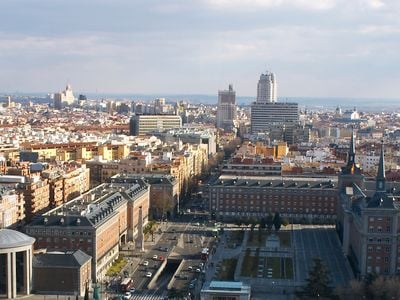
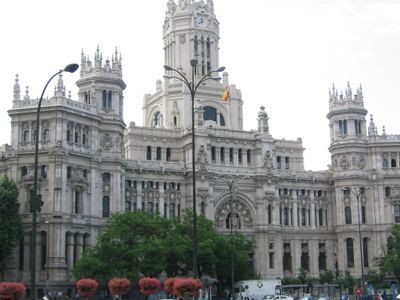
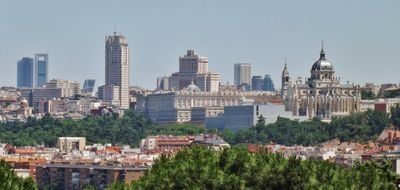
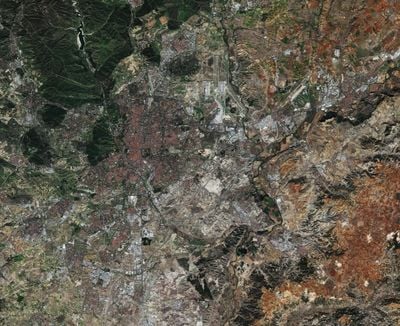
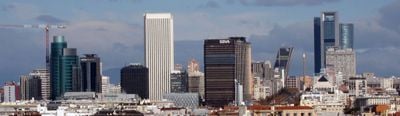
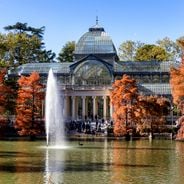
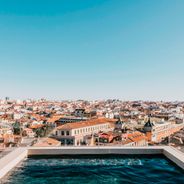
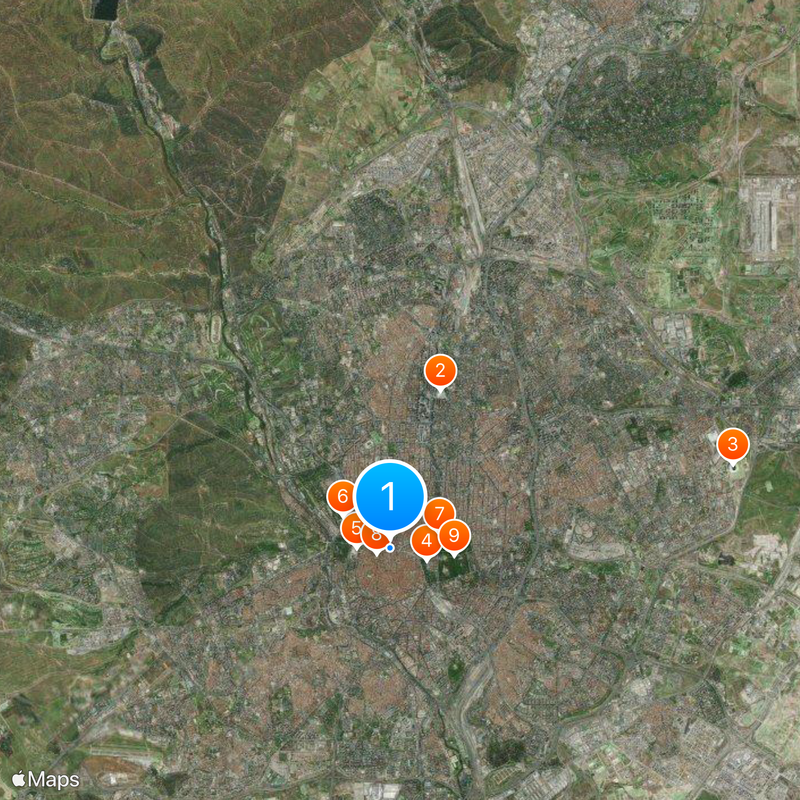
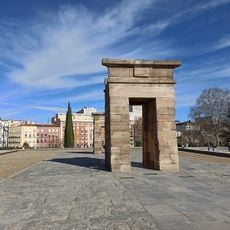
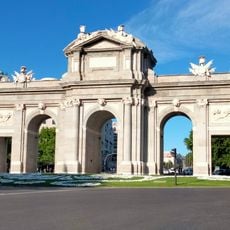
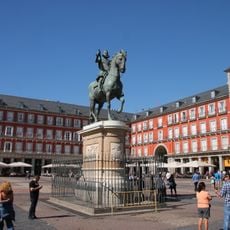
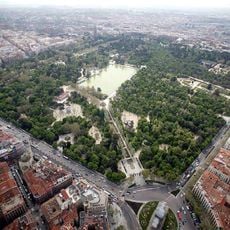
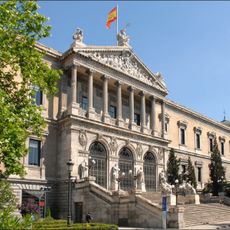
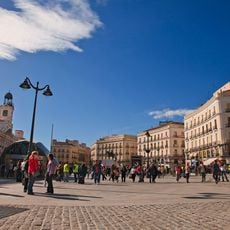
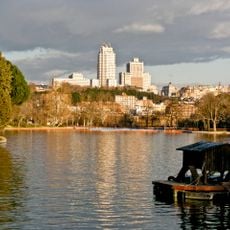
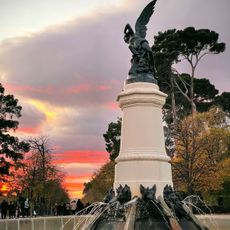
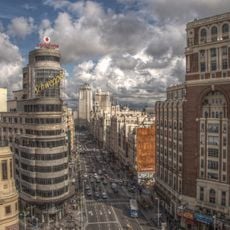
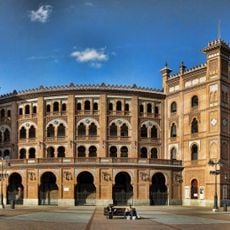
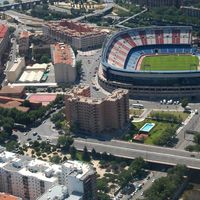
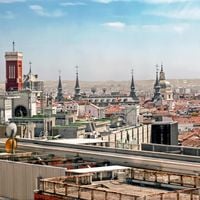
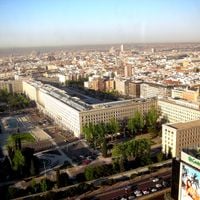
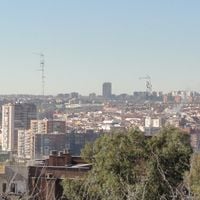
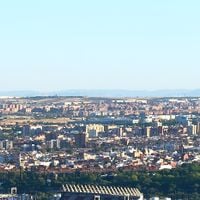
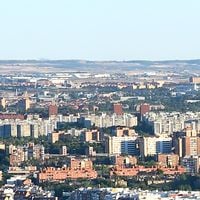
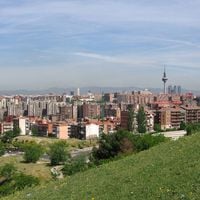
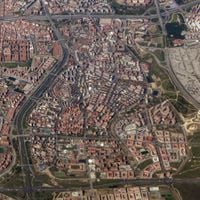
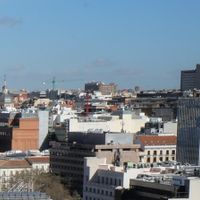
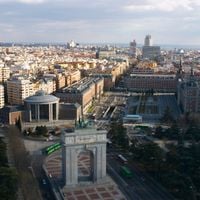
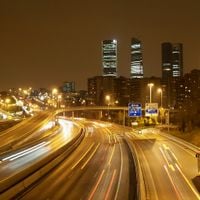
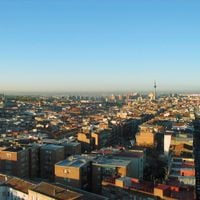
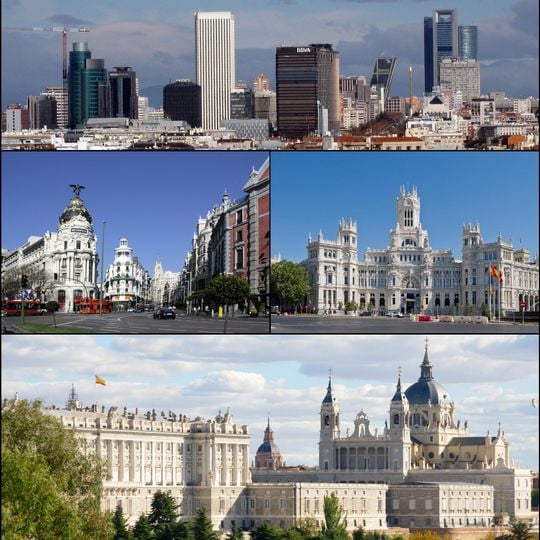
Madrid is the capital of Spain and sits on a high plateau in the center of the Iberian Peninsula, with wide boulevards cutting between modern skyscrapers and historic neighborhoods. The Retiro Park forms a green lung to the east, while the old center around Puerta del Sol shows densely built streets with low-rise buildings.
The settlement started in the 9th century as a military outpost during the Emirate of Córdoba. King Philip II made it the capital of the Spanish Empire in 1561, transforming it from a small fortress town into the political center of Europe.
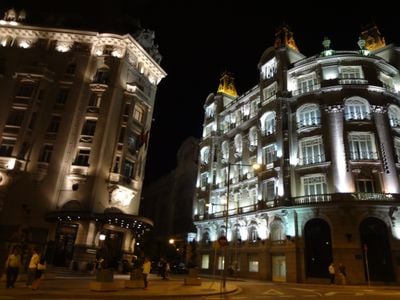
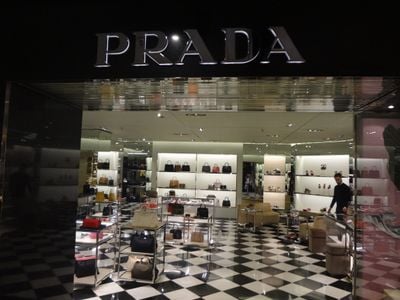
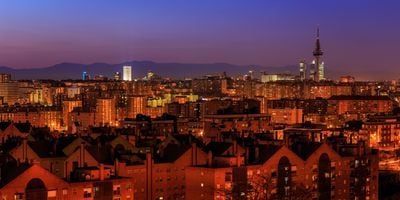
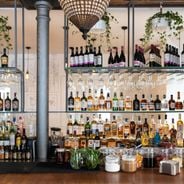
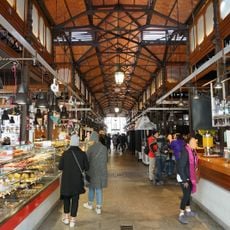
Locals eat late, with dinner often beginning after nine in the evening, and many restaurants only opening their doors for the main meal at that time. The city comes alive at night, with shops and bars staying open until midnight, while on Sundays families gather in plazas and stroll through parks.
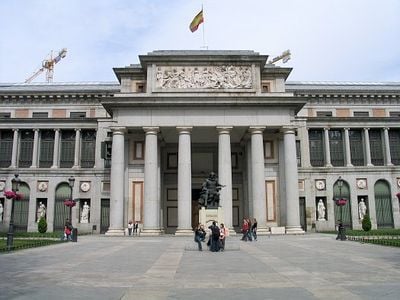
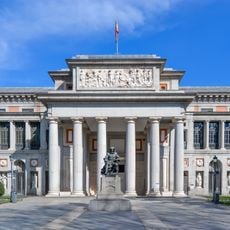
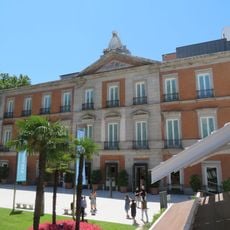
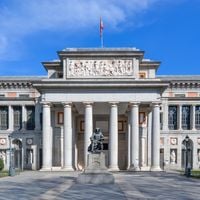
The metro connects all neighborhoods through an extensive network and stays open past midnight, while buses run around the clock. Most museums close on Mondays, and many shops take a break in the afternoon for a few hours before reopening in the evening.
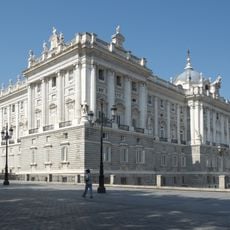
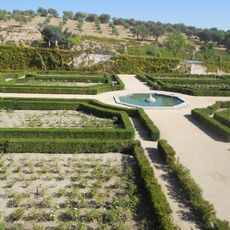
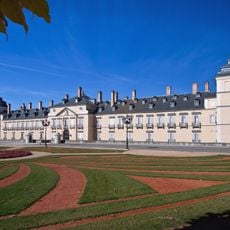
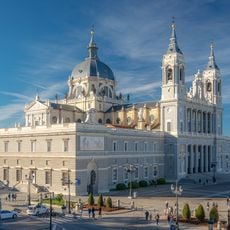
The Royal Palace has more rooms than any other functioning royal palace in Europe, though the royal family does not live there and instead uses a smaller estate outside the city. Visitors can walk through some halls and gardens, but large sections remain closed for official ceremonies.
The community of curious travelers
AroundUs brings together thousands of curated places, local tips, and hidden gems, enriched daily by 90,801 contributors worldwide.