Casa de Campo Park, Public park in western Madrid, Spain
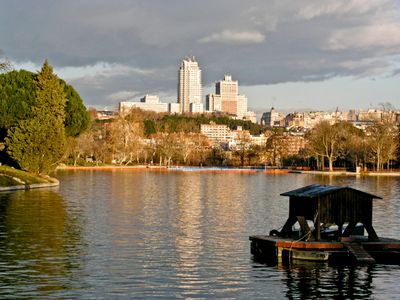
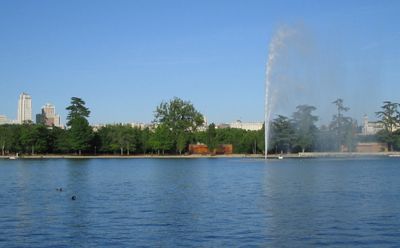
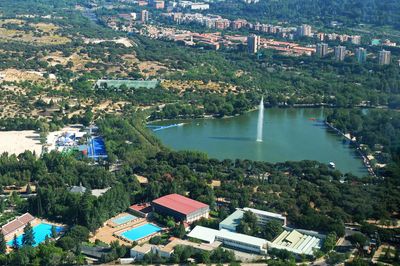
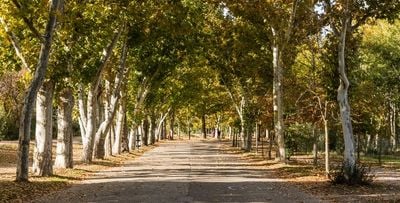
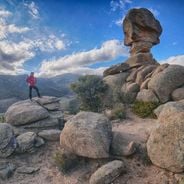
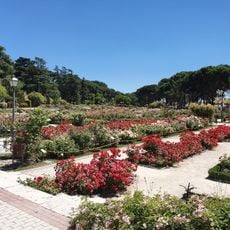
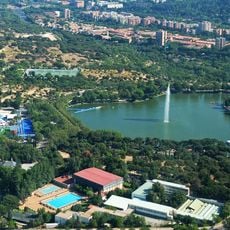
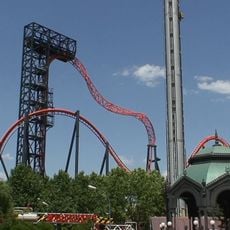
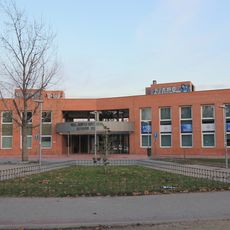
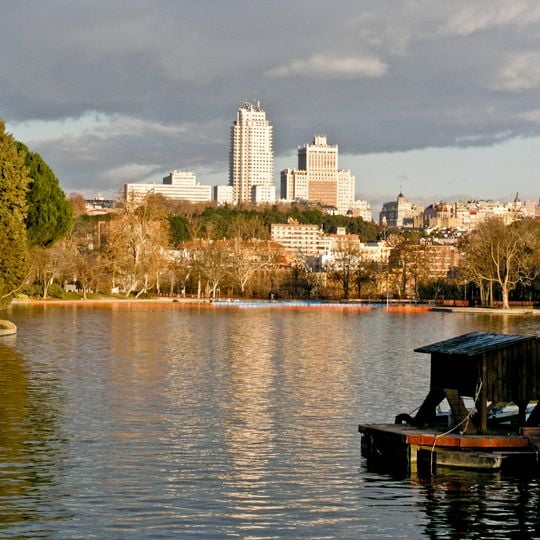
Casa de Campo is a large public park in the western part of Madrid, containing extensive forested areas, an artificial lake and recreational facilities. The grounds offer wooded paths, open grassland areas and include a zoo and an amusement park within its boundaries.
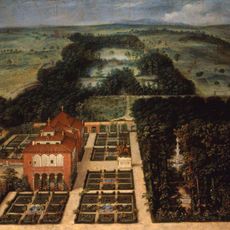
The park began in the 16th century when King Philip II established the land as a royal hunting reserve and restricted access exclusively to the royal household. In 1931, the city opened the area to the general public, transforming the former royal estate into a public recreational space.
The name refers to the centuries when the grounds served as a country retreat for Spanish royalty, used for hunting and leisure away from court life. Locals now use the space for jogging, picnics and family walks on weekends, while the open meadows and forest paths offer room for recreational groups.
The park works well for walking, cycling and water activities at the lake, with wide paths and marked routes making it easy to navigate. Weekends draw larger crowds, so weekdays offer quieter exploration.
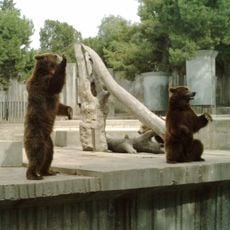
The grounds contain preserved bunkers and trenches from the Spanish Civil War, which visitors can explore on their own in some areas. The number of bird and mammal species exceeds 140, creating an unusual wildlife habitat in the middle of the capital.
Location: Madrid
Inception: May 1, 1931
Official opening: May 1, 1931
Website: https://esmadrid.com/informacion-turistica/casa-de-campo
GPS coordinates: 40.42291,-3.75595
Latest update: December 5, 2025 16:34
Madrid brings together royal history with everyday city life. The city holds palaces from the 18th century, wide parks, and art collections built up over generations. The Royal Palace sits on the site of a medieval fortress, while Retiro Park was once royal grounds before opening to the public. The Prado Museum shows European paintings from several centuries, and the Templo de Debod is an Egyptian temple brought to Madrid in the 1970s. The city's squares reflect different periods. Plaza Mayor from the 17th century hosted public events, while Puerta del Sol marks the geographic center of Spain. Gran Via emerged in the early 20th century as a modern thoroughfare. Markets like San Miguel and the Sunday flea market at El Rastro reveal daily rhythms. Neighborhoods such as La Latina keep narrow streets and traditional taverns, while parks like Casa de Campo offer wide green space on the city edge.
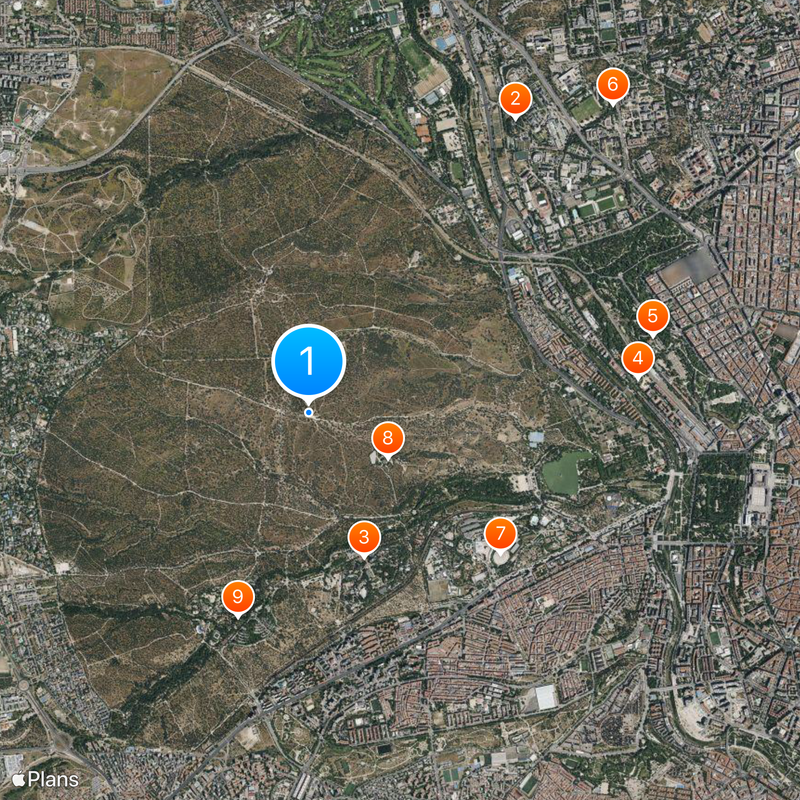
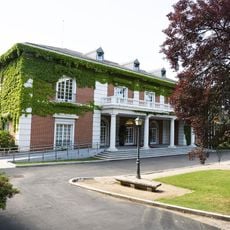
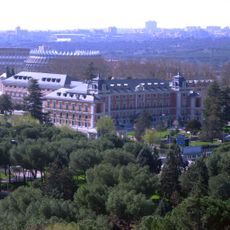
Palace of Moncloa
2.8 km
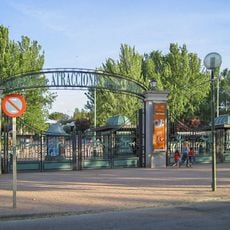
Parque de Atracciones de Madrid
1.2 km
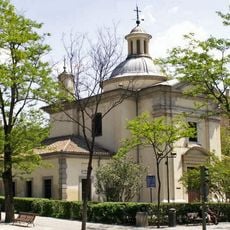
Royal Chapel of St. Anthony of La Florida
2.6 km
Parque del Oeste
2.8 km
University City of Madrid
3.4 km
Madrid Arena
1.9 km
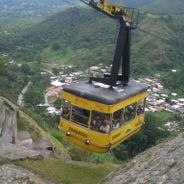
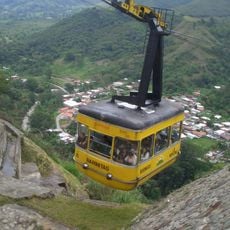
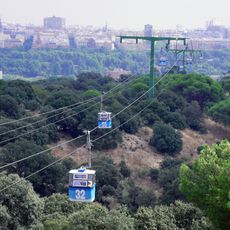
Teleférico de Madrid
705 m
Zoo Aquarium de Madrid
1.7 km
Puente de los Franceses
2.1 km
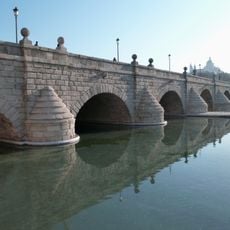
Bridge of Segovia
3 km
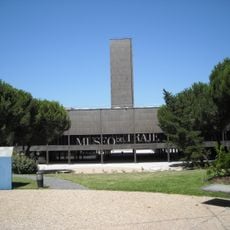
Museo del Traje
3 km
Moncloa complex
3 km
Hermitage of San Isidro
3.6 km
Sala La Riviera
3 km
Cerro Garabitas
1.3 km
Spanish Cultural Heritage Institute
2.7 km
Palacete de los Vargas, Casa de Campo
2.8 km
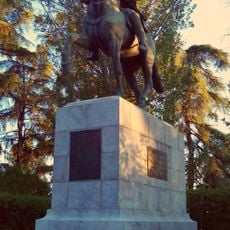
Monument to Simón Bolívar
2.6 km
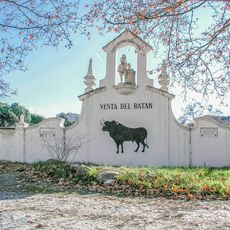
Venta del Batán
1.4 km
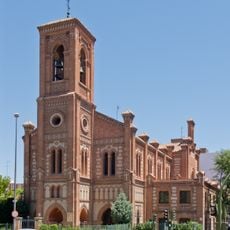
Church of Santa Cristina
2.6 km
Abismo
1.3 km
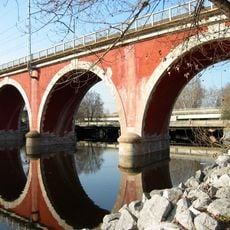
Culebra Bridge, Madrid
2.7 km
Queen Victoria's Bridge
2.5 km
The Torch Bearers, Madrid
3.4 km
Real Jardín Botánico Alfonso XIII
3.7 km
La Bombilla Park
2.4 km
Pabellón de Cristal
1.8 km
Spain Pavilion of Expo 1958
1.6 kmReviews
Visited this place? Tap the stars to rate it and share your experience / photos with the community! Try now! You can cancel it anytime.
Discover hidden gems everywhere you go!
From secret cafés to breathtaking viewpoints, skip the crowded tourist spots and find places that match your style. Our app makes it easy with voice search, smart filtering, route optimization, and insider tips from travelers worldwide. Download now for the complete mobile experience.
A unique approach to discovering new places❞
— Le Figaro
All the places worth exploring❞
— France Info
A tailor-made excursion in just a few clicks❞
— 20 Minutes