
Castell d'Escornalbou, Medieval monastery and castle in Riudecanyes, Spain
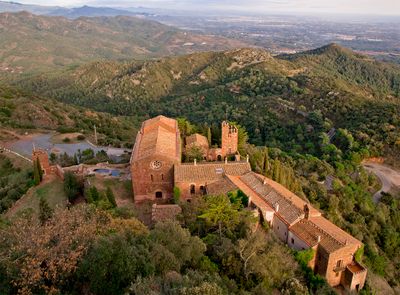
Castell d'Escornalbou is a medieval monastery and castle featuring a Romanesque church with side chapels and a converted cloister that now functions as a garden terrace. The complex joins religious structures with later residential spaces and collections positioned on a hilltop above the surrounding region.
Alfonso II of Aragon founded the monastery in 1165 with six monks under Tarragona's archbishopric oversight. An early 20th-century restoration by a diplomat and scholar transformed it into a noble residence housing collections and libraries.
The early 20th-century transformation into a noble residence brought libraries and art collections to the religious complex, blending sacred spaces with scholarly pursuits. Visitors can still sense this mix of spiritual and intellectual life in how the rooms are arranged and furnished.
The outdoor areas are open to visitors, though interior guided tours are temporarily suspended due to ongoing renovation work. The location sits on a hilltop with steep pathways, so sturdy footwear and time for climbing are advisable.
The site sits at 586 meters elevation within forests of cork oaks and black pines that resist strong Mistral winds. This height and hardy vegetation create a quiet setting quite different from the flatter coastal lands below.
Location: Riudecanyes
Architectural style: Romanesque architecture
Elevation above the sea: 586 m
GPS coordinates: 41.12780,0.91556
Latest update: December 6, 2025 17:42
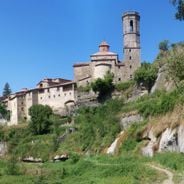
In rural Catalonia, medieval villages, monasteries and natural areas survive from earlier centuries. The region contains Roman villas, Gothic churches, castle ruins and waterfalls. These locations span from mountains to Mediterranean shores. The collection shows different sides of this landscape. Villages like Rupit, Santa Pau and Besalú keep their medieval layout. Monasteries such as Sant Pere de Rodes and Poblet speak to religious history. Natural sites like Fageda d'en Jordà and Congost de Mont-rebei reveal Catalan geography. Gardens at Cap Roig and Parc del Laberint d'Horta display human craft alongside nature. Visit these places to see how people lived and continue to live in Catalonia. Each site tells its own story through buildings, land forms or local work. Journeying through these locations takes you across different times and regions of Catalonia.
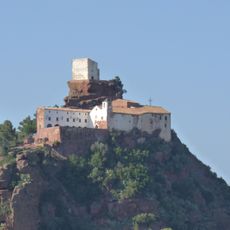
Mare de Déu de la Roca de Mont-roig
4.1 km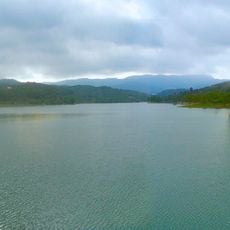
Pantà de Riudecanyes
3.3 km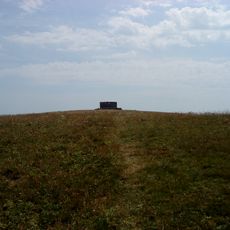
Castell de la Mola
4.2 km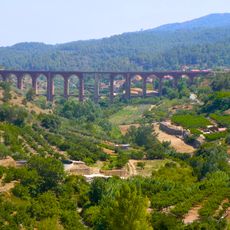
Viaductes del tren
2.6 km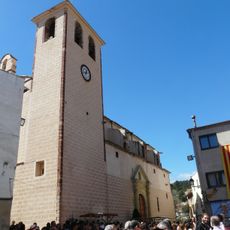
Sant Mateu de Riudecanyes
3.8 km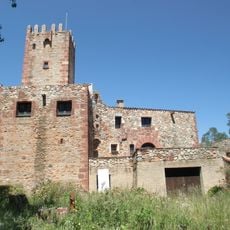
Mas Munter
3.9 km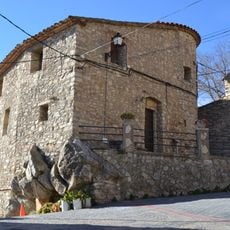
Centre històric de Colldejou
4 km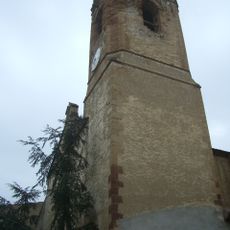
Santa Maria de Duesaigües
2.4 km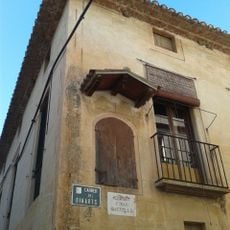
Cal Brocà
3.9 km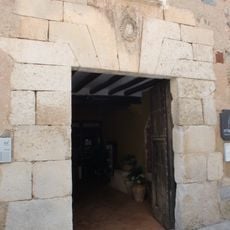
Cal Peyrí
2.4 km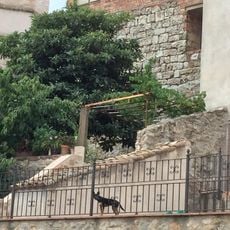
Torre de la Torre de Fontaubella
4.3 km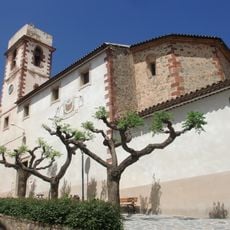
Sant Joan Baptista de Vilanova d'Escornalbou
2.5 km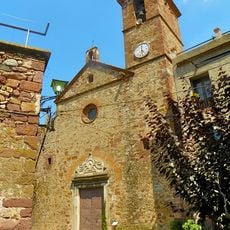
Sant Bartomeu de l'Argentera
1.2 km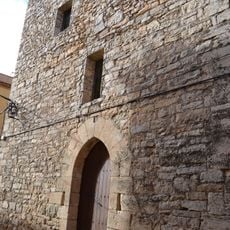
House in Carrer de Baix, 12
4 km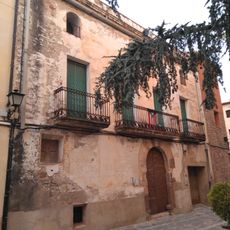
Casa davant de l'església
2.4 km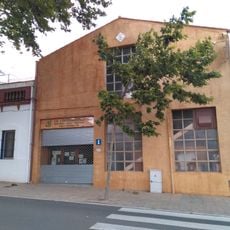
Antiga Cooperativa de Vilanova d'Escornalbou
2.6 km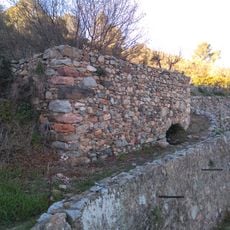
Molí del Guasc
4.3 km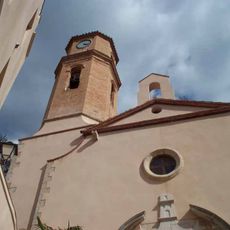
Santa Maria de la Torre de Fontaubella
4.3 km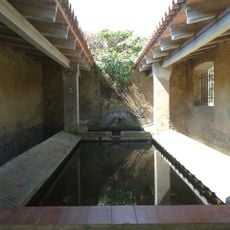
Rentador de Duesaigües
2 km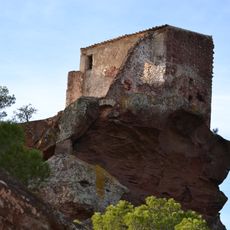
Sant Ramon de Mont-roig del Camp
4.1 km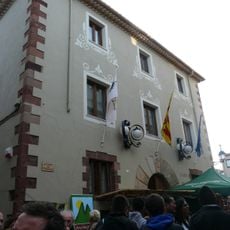
Casa de la Vila de Riudecanyes
3.8 km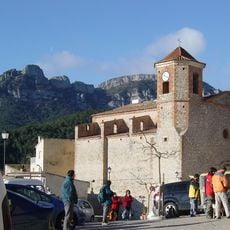
Sant Llorenç de Colldejou
3.9 km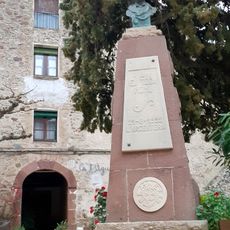
Monument a Eduard Toda a l'Argentera
1.2 km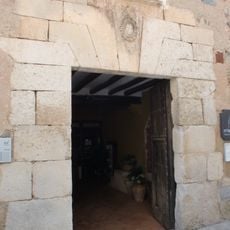
Cal Peyrí Tower
2.4 km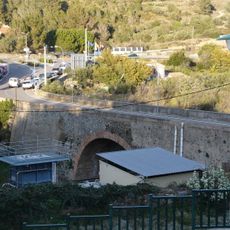
Pont de Riudecanyes
4.1 km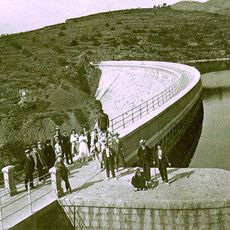
Presa de Riudecanyes
3.7 km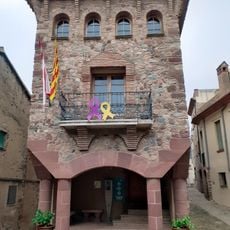
Casa de la vila de l'Argentera
1.2 km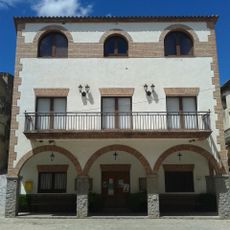
Casa de la Vila
2.4 kmVisited this place? Tap the stars to rate it and share your experience / photos with the community! Try now! You can cancel it anytime.
Discover hidden gems everywhere you go!
From secret cafés to breathtaking viewpoints, skip the crowded tourist spots and find places that match your style. Our app makes it easy with voice search, smart filtering, route optimization, and insider tips from travelers worldwide. Download now for the complete mobile experience.

A unique approach to discovering new places❞
— Le Figaro
All the places worth exploring❞
— France Info
A tailor-made excursion in just a few clicks❞
— 20 Minutes