Sant Sepulcre de Palera, Romanesque monastery in Beuda, Spain
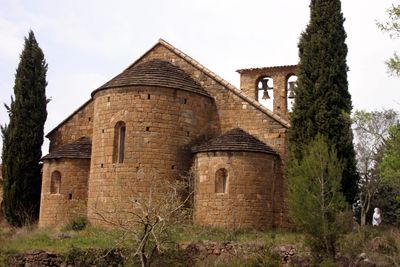
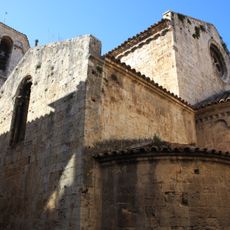
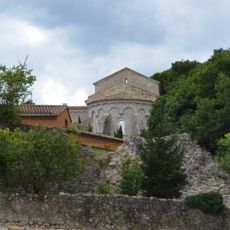
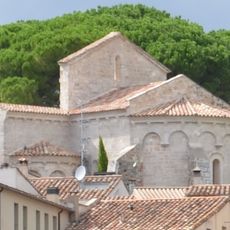
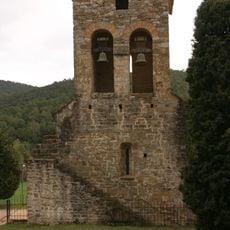
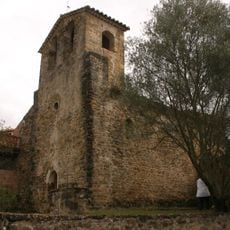
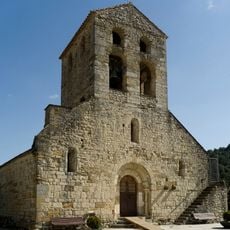
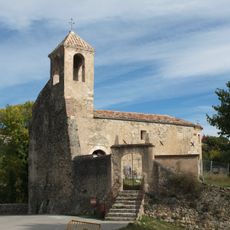
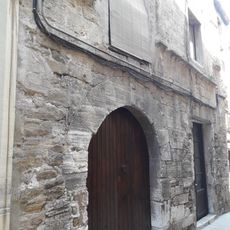
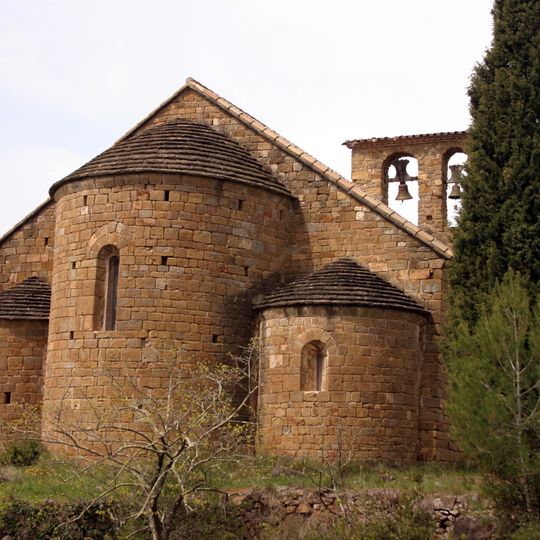
Sant Sepulcre de Palera is an 11th-century Romanesque Benedictine monastery in Beuda, Garrotxa. Its church has a basilical plan with three naves, a barrel-vaulted central nave and quarter-circle side vaults, separated by rectangular pillars, and three plain semicircular apses without a crossing. The austere exterior has a round-arched doorway, four windows, a small oculus and a two-opening bell gable. Of the cloister only two arches and worn capitals carved with birds and human figures remain.
The Benedictine priory was consecrated in 1085 by Berenguer Guifré, bishop of Girona, with the bishops of Barcelona, Carcassonne, Albi and Elne also present. In 1107 it came under the monastery of Santa Maria de la Grassa, to which it remained tied until the mid-16th century. Priors were then drawn from the monasteries of Besalú, Banyoles and Ripoll. In 1936 the church was desecrated and several figures and parts of retables disappeared.
The monastery served as a pilgrimage destination in medieval times, drawing visitors who sought spiritual blessings within its walls. People came from surrounding regions to pray and experience the monastic community's daily devotions.
The site is readily accessible and displays its Romanesque character with plain exterior walls, a rounded arch doorway, and a bell gable with two openings. Visitors should take time to examine the intricately carved capitals in the cloister area more closely.
The monastery leveraged its standing as a spiritual destination to grant pilgrims indulgences equal to those for traveling to the Holy Land. This practice made the site a significant goal for people unable to undertake such distant journeys.
The community of curious travelers
AroundUs brings together thousands of curated places, local tips, and hidden gems, enriched daily by 95,358 contributors worldwide.