Museum of Cádiz, Archaeological and fine arts museum in Plaza de Mina, Cádiz, Spain.
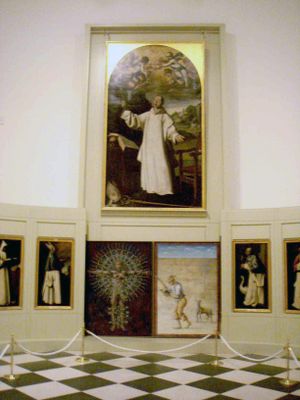
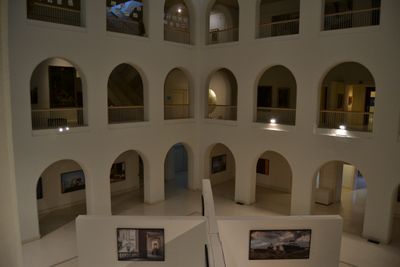
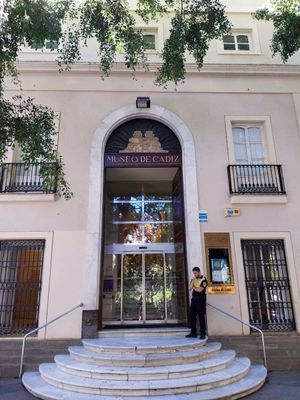
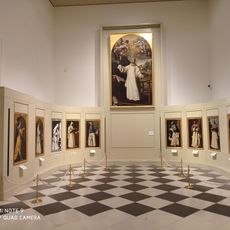
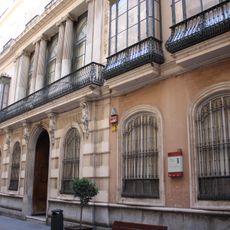
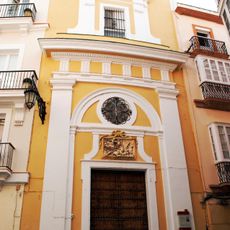
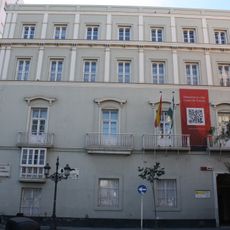
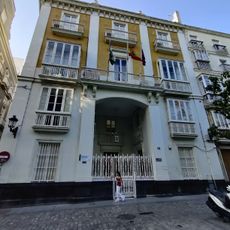
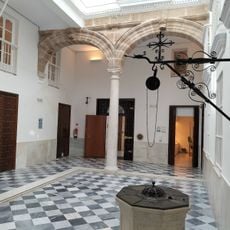
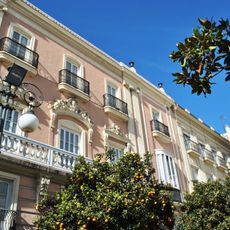
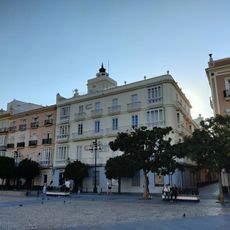
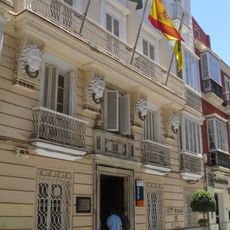
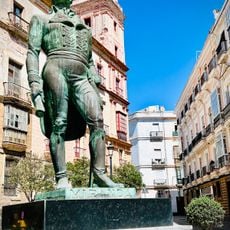
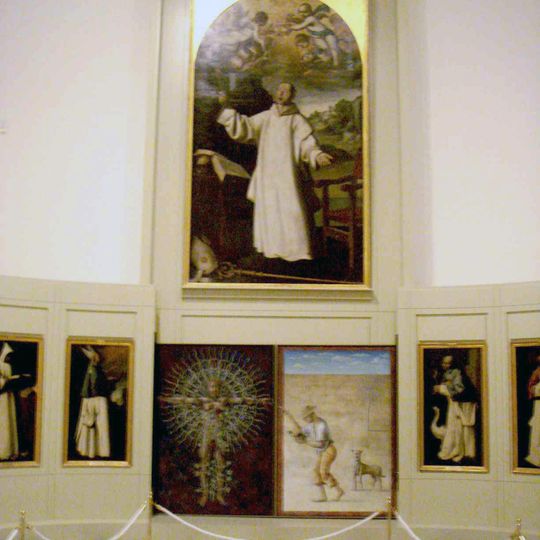
The Museum of Cádiz occupies a neoclassical building by Juan Daura on Plaza de Mina, inaugurated in 1838. Its galleries are arranged around a central court with three levels of white round-headed arches and metal-railed walkways. The ground floor holds archaeology, including the Phoenician anthropoid sarcophagi; the first floor displays Baroque paintings by Zurbarán, Murillo and Rubens; the second floor houses the Tía Norica puppets.
The museum was founded in 1835, when paintings taken from churches and convents during state seizures were transferred to the Academy of Fine Arts. Archaeological collections were added over time, bringing together finds from the Phoenician, Roman, and Moorish periods of the region.
The name of the museum refers to Cádiz itself, one of the oldest cities in Western Europe with deep ties to the sea and to trade across many cultures. The rooms display everyday objects, religious items, and works of art that show how people in this part of Spain lived across many centuries.
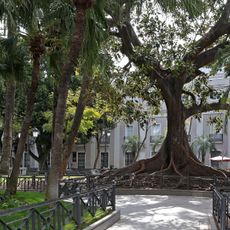
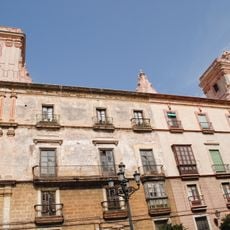
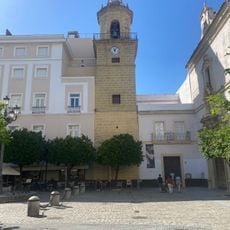
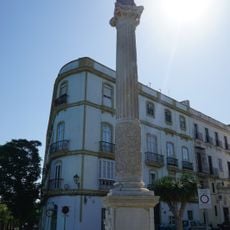
The museum sits on Plaza de Mina, a central square in the old town that is easy to reach on foot from most other sights in the area. Plan enough time for the visit, as the collections cover a wide span of history across multiple floors.
The museum keeps the "Tía Norica" puppet set, bought by the Spanish State after the company that performed it at the Cádiz Carnival stopped touring. The figures are displayed on the second floor, above the archaeology and painting galleries, alongside the museum's ethnographic section.
The community of curious travelers
AroundUs brings together thousands of curated places, local tips, and hidden gems, enriched daily by 94,695 contributors worldwide.