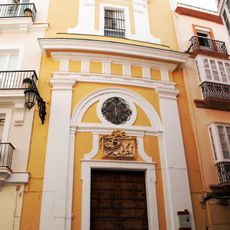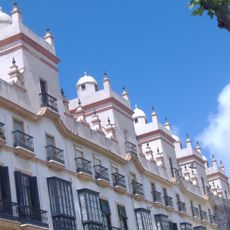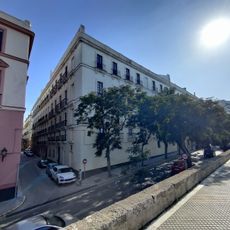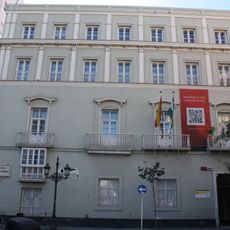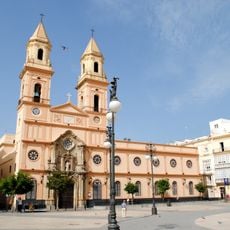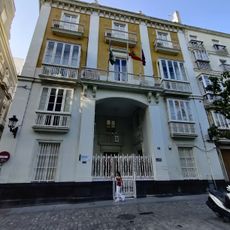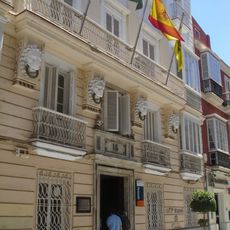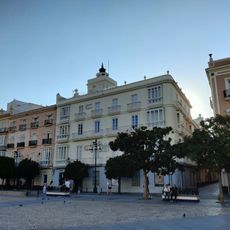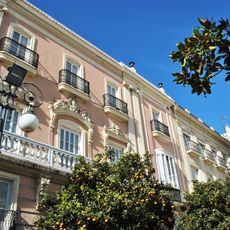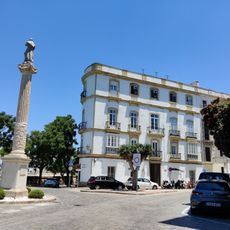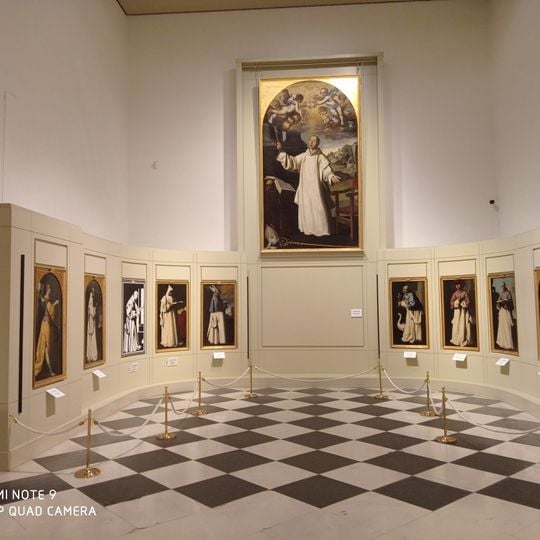
Cadiz Museum, Archaeological museum in Plaza de Mina, Cádiz, Spain
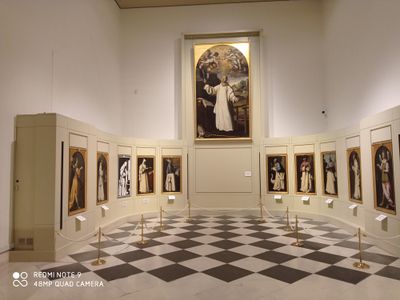
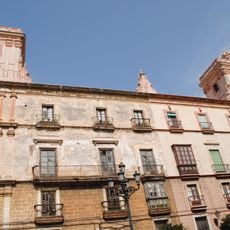
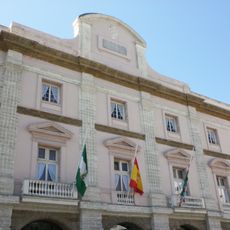
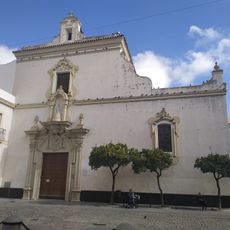
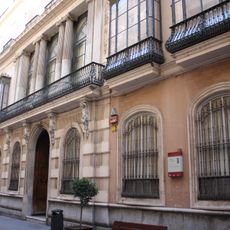
The Cadiz Museum occupies a 19th-century structure and displays archaeological finds, artworks, and ethnographic objects from different periods spanning prehistoric through Roman times. The collections showcase the material culture and daily life of successive societies in this region.
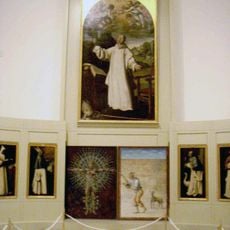
The museum was established in 1835 when artworks from secularized religious buildings were transferred to the Academy of Fine Arts. Over time it grew to encompass archaeological collections documenting thousands of years of regional history.
The collections reflect how Phoenician and Roman peoples shaped life in this coastal region through trade and religious practices. Objects from sacred sites and daily life reveal the spiritual and practical worlds of these ancient societies.
The museum is centrally located at Plaza de Mina and easily accessible on foot with clear signage around the square. Allow two to three hours to explore the different sections without rushing through the collections.
A significant portion of the collection features Phoenician anthropoid sarcophagi, rare examples of this distinctive burial practice. These objects illustrate the unfamiliar burial customs that Phoenician traders left behind in this coastal city.
The community of curious travelers
AroundUs brings together thousands of curated places, local tips, and hidden gems, enriched daily by 92,310 contributors worldwide.