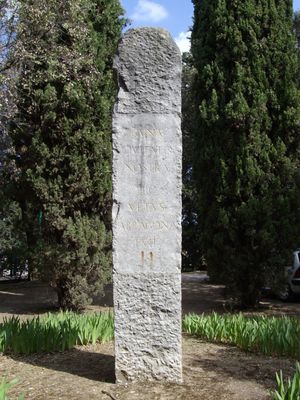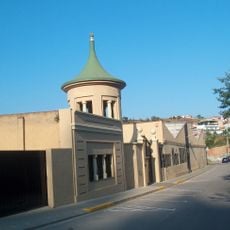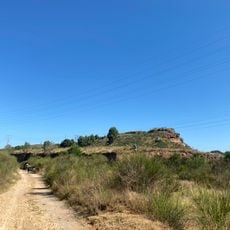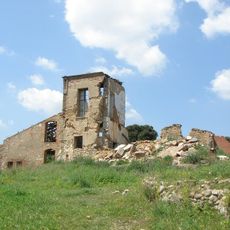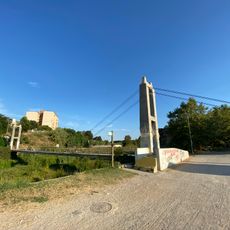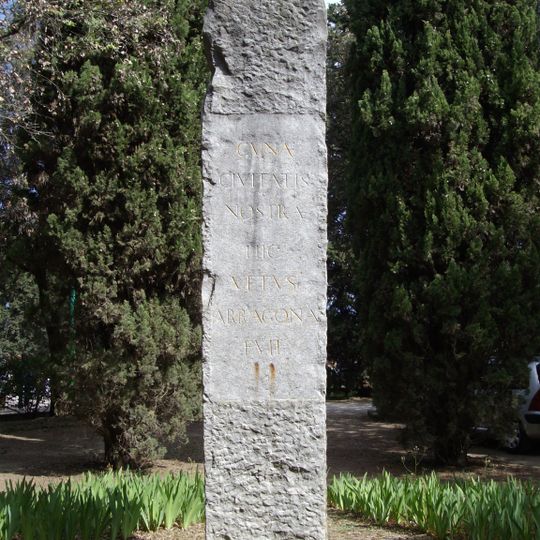
Arraona, Archaeological site in Sabadell, Spain.
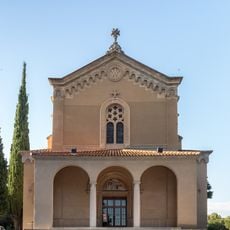
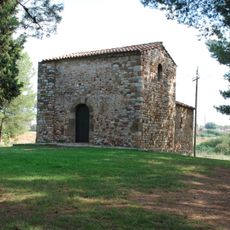
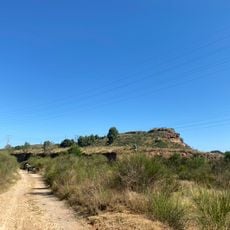
Arraona is a Roman archaeological site on the Sant Iscle ridge in the La Salut district of Sabadell, first excavated between 1912 and 1916 under Joan Vila Cinca. Finds include remains of a natatio (bath pool), a mosaic depicting a female triton in the procession of Neptune, amphorae, dolia and tegulae. The site spans Iberian, Roman and medieval periods, and the Sant Iscle and Santa Victoria chapel was built over the villa ruins in the 10th century.
The settlement took shape during the Roman occupation of the Iberian Peninsula and grew as an important stop on regional trade routes. It was eventually abandoned and later rediscovered by archaeologists, revealing how people lived in this area 2000 years ago.
This settlement served as a meeting point for commerce and exchange between distant regions during the Roman era. Through pottery and household goods found here, visitors can understand what products were made and traded in this part of Catalonia.
The site can be visited during daylight hours and is best understood with a guided tour arranged through the Sabadell Museum. Most paths are easily walkable and the preserved structures remain visible from ground level.
The name Arraona appears in one of the Apollinaris goblets found in the baths of Vicarello, Italy, listed on the road itinerary from Cádiz to Rome. The site was rediscovered in the early 20th century, and Joan Vila Cinca directed the first excavations between 1912 and 1916. Finds are kept at the Archaeological Museum of Barcelona and the Museum of History of Sabadell.
The community of curious travelers
AroundUs brings together thousands of curated places, local tips, and hidden gems, enriched daily by 94,642 contributors worldwide.