Lestrobe Towers, Stately home in Dodro, Spain
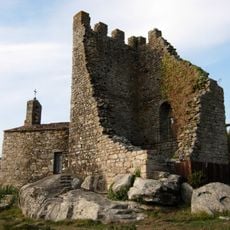
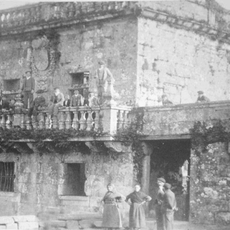
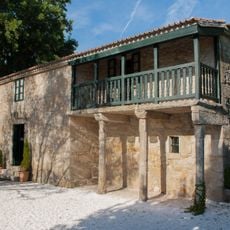
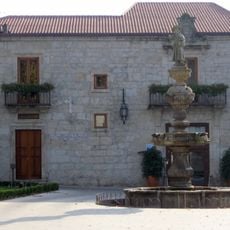
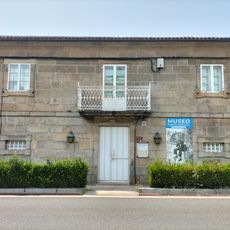
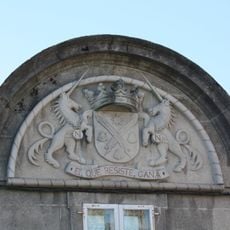
The Pazo de Hermida, also called Torres de Lestrobe, is a granite palace in Lestrobe, Dodro. Its main facade has a central body flanked by two square towers, with an L-shaped rear extension and a small stone-balustraded terrace on the southwest side. A six-part 18th-century coat of arms sits between two windows on the northeast facade.
The site began as two defensive towers, damaged by raids and rebuilt in the 17th century, when a corridor joined them into a pazo. Medieval documents mention the palace, and the Galician-Portuguese lyric and the Cantigas de Santa María cite it. On 26 March 1930 the Pacto de Lestrove was signed here, founding the Federación Republicana Gallega.
The palace is known as Torres de Lestrobe, and its name recalls the defensive towers that preceded it. In the 19th century it became linked to Rosalía de Castro, who stayed here after her mother's death in 1868 and is said to have written parts of Follas novas. The table and parchment from the 1930 Pact of Lestrove are kept inside.
Visits require advance arrangements through the local tourism office in Dodro. Weather conditions and seasonal access should be considered when planning your trip.
The 1930 Pact of Lestrove was signed here: José Vázquez Batalla lent his house for the clandestine meeting of republican groups and kept watch from a tower, ready to warn of escape toward the Barbanza mountains. The signed table and a commemorative parchment with the republican flag are kept in the pazo.
The community of curious travelers
AroundUs brings together thousands of curated places, local tips, and hidden gems, enriched daily by 94,813 contributors worldwide.