Horta de Lleida, Agricultural district in Lleida, Spain.
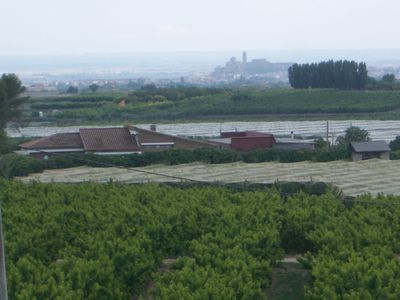
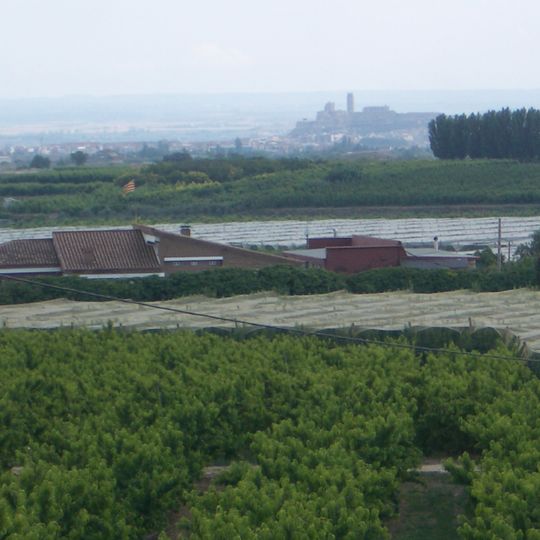
Horta de Lleida is the farmland belt that surrounds the city of Lleida out to about five kilometres, divided into partides rather than neighbourhoods. It is irrigated land given over to sweet fruit, not market gardens, and its characteristic dwellings are the torres, rustic houses that combine living quarters with barns, stables and granaries.
The rural dwellings of Horta de Lleida, called torres, have Roman origins and a very old history. They arose from the need for protection felt by repopulators after the expulsion of the Arabs, and the word torre comes from the defensive towers built to protect the territory, around which agricultural activities developed. Over time and with the pacification of the area, they evolved into less defensive and more functional constructions.
The area is divided into partides, rural districts that structure life outside the city's barris. Its defining crop is sweet fruit rather than vegetables, and the farmhouses called torres take their name from the defence towers built after the expulsion of the Arabs, around which farming later developed.
The Horta is a ring of irrigated land reaching about five kilometres around Lleida, organised into partides rather than city barrios. Access is by the roads leaving the city; the Canal de Pinyana and Canal de Catalunya i Aragó water the right bank of the Segre, the Canal d'Urgell the left. Walking or cycling between partides means following irrigation channels and field tracks, so plan routes by canal rather than expecting signposted paths.
The name Torre for the farmhouses comes from the defence towers built to protect the territory after the expulsion of the Arabs, around which farming activity grew. Over time, as the area became safer, these buildings evolved from defensive structures into functional farmsteads with storerooms, stables and granaries.
The community of curious travelers
AroundUs brings together thousands of curated places, local tips, and hidden gems, enriched daily by 93,781 contributors worldwide.