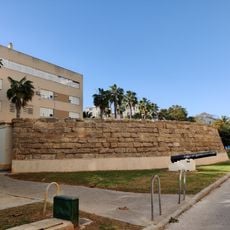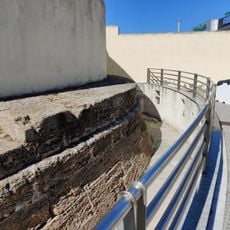
Ancient Roman aqueduct of Gades, Roman aqueduct system in Cádiz, Spain
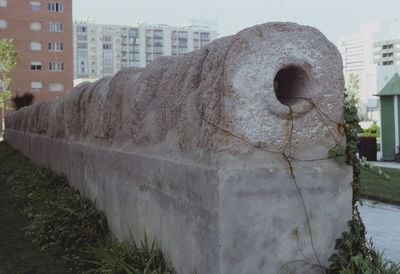
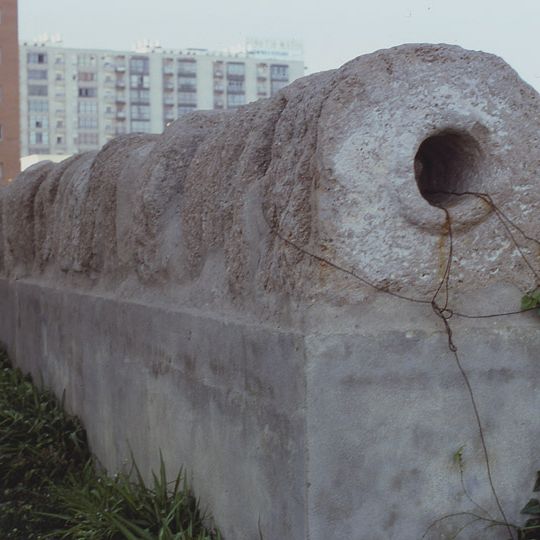
The Ancient Roman aqueduct of Gades was a water system that brought fresh water from natural springs to an important Roman port city. It used a combination of underground channels, arches, and special tubes to move water across varying elevations.
The structure was built during the first century AD to supply the growing population of the city. It was part of the Roman infrastructure network and enabled both urban expansion and the development of local industries.
The name Gades is the Roman form of Gadir, the Phoenician colony that preceded Cádiz. The aqueduct's water came from the Tempul springs, still used today as a water source. In the 4th century it was abandoned and the city returned to its Phoenician rainwater cisterns until a new supply network was built in the mid-19th century.
Wear sturdy shoes since many sections are found along unpaved or uneven ground. The best time to explore is early morning or late afternoon when the sun is less intense.
Of the three techniques used along the 75 km route, about 31% consisted of stone blocks joined with machihembrados clay pipes called atanores, while roughly 57% ran as a gallery and 12% as a mined channel. The springs of Tempul, at 122 m above sea level, still supply water today.
The community of curious travelers
AroundUs brings together thousands of curated places, local tips, and hidden gems, enriched daily by 94,864 contributors worldwide.