Acueductos de la rambla de Carcauz, Ancient Roman aqueduct system in Vícar and Felix, Spain.
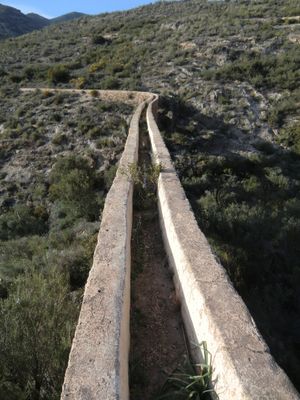
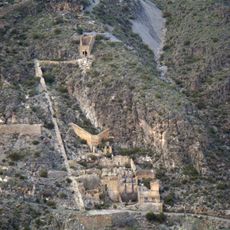
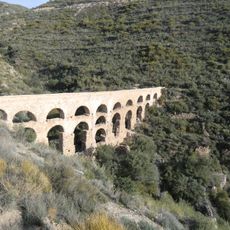
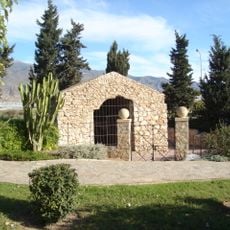
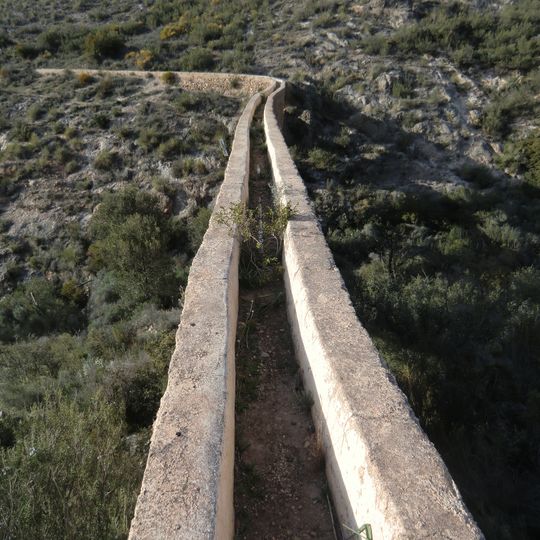
The Acueductos de la rambla de Carcauz consist of three stone aqueducts connected by irrigation channels that follow the natural watercourse through the region. The largest structure, the Twenty Arches Aqueduct, demonstrates the precision and scale of the engineering work that made this system function.
These structures were built during the Roman period, between the 1st century BC and the 2nd century AD, to supply water for the region's growing settlements and farms. The engineering knowledge required to construct them represented the advanced capabilities of Roman builders in managing water across difficult terrain.
The water system shaped how people farmed and lived in this region for many centuries, making it central to local survival and prosperity. The structures remain deeply connected to how residents view their landscape and water resources.
The site can be reached from highway A-7 exit 420, then through La Mojonera to Avenida de las Cantinas and Camino de las Camaras, where parking is available. Walking around the ruins works best in dry weather and comfortable shoes help when exploring the uneven stone surfaces.
While the original water channels transported irrigation water for centuries, the system was partially modernized in the 20th century and now carries water through modern plastic pipes alongside the ancient stone structures. This blend of Roman engineering and contemporary infrastructure creates an unusual layering of different time periods in one place.
The community of curious travelers
AroundUs brings together thousands of curated places, local tips, and hidden gems, enriched daily by 90,919 contributors worldwide.