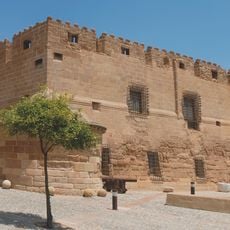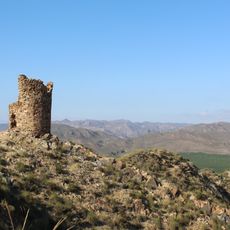
Almizaraque, Archaeological site in Cuevas del Almanzora, Almería, Spain
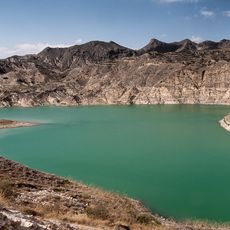
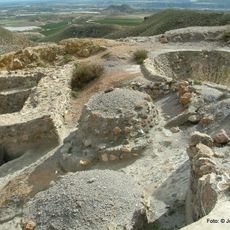
Almizaraque is an archaeological site in Cuevas del Almanzora in the Almería region, sitting on a small elevation on the left bank of the Almanzora River. The settlement features round houses built on stone bases with mud and reed walls, surrounded by defensive walls with semicircular bastions.
The site was inhabited between the late 4th millennium and the beginning of the 2nd millennium Before Christ, representing early Copper Age culture. Luis Siret, a Belgian engineer, began excavations in the early 1900s, followed by systematic research throughout the 20th century and especially from 1985 onward.
The name comes from Arabic origins related to the river valley location. Visitors today see the layout of round houses with stone bases and storage silos, revealing how people organized their daily lives and food management.
The site allows visitors to see remains of dwellings and fortifications directly, but requires comfortable footwear for uneven terrain. Plan your visit during cooler times of day, particularly in warmer months.
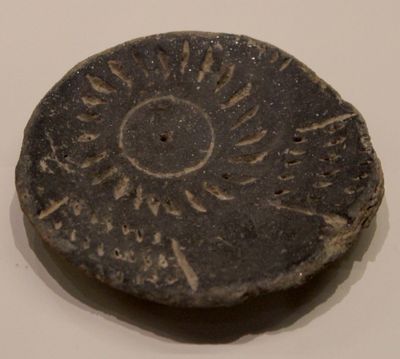
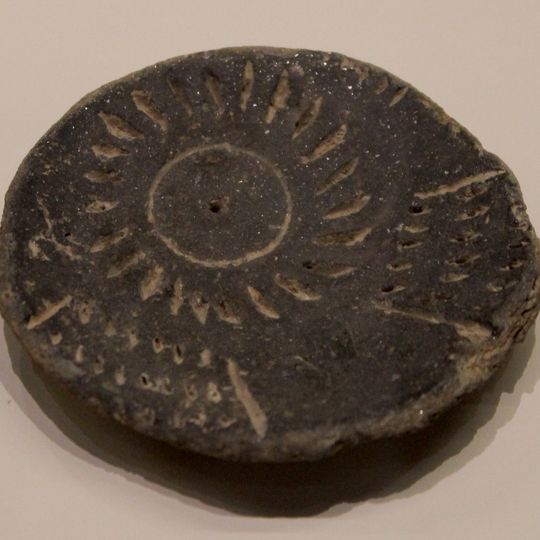
The site sits strategically at the mouth of the Almanzora River, suggesting early trade through waterways. Most artifacts, including carved bone figurines, are kept at the National Archaeological Museum in Madrid, but the location itself near copper mines in the Sierra de Herrerías indicates metalworking was central to the community's prosperity.
The community of curious travelers
AroundUs brings together thousands of curated places, local tips, and hidden gems, enriched daily by 90,754 contributors worldwide.