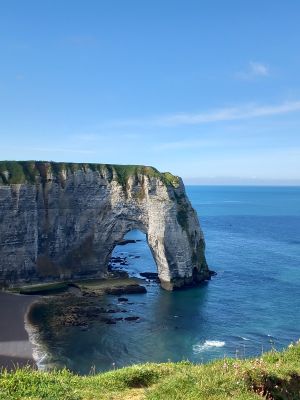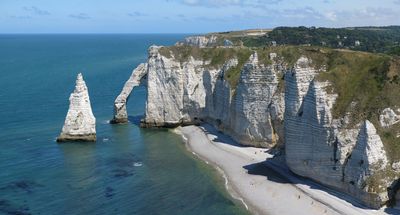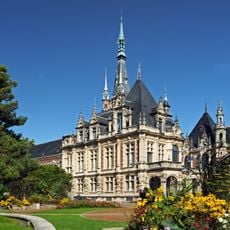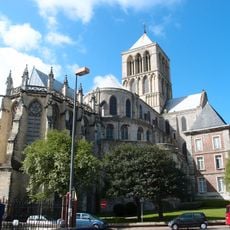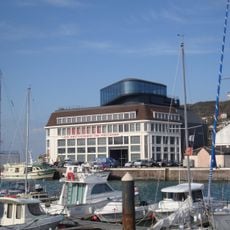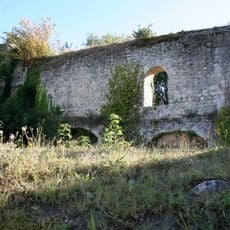
Côte d'Albâtre, Chalk cliff coastline in Normandy, France
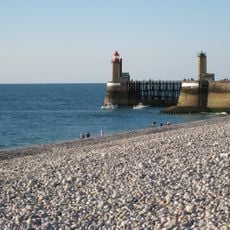
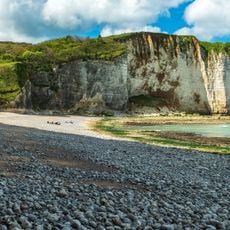
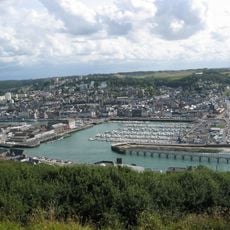
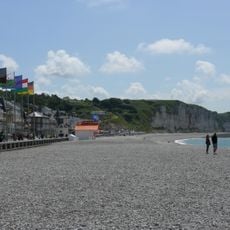
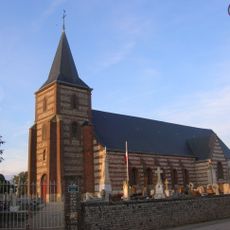
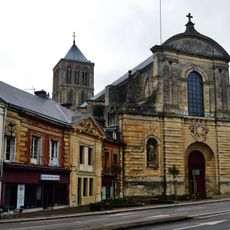
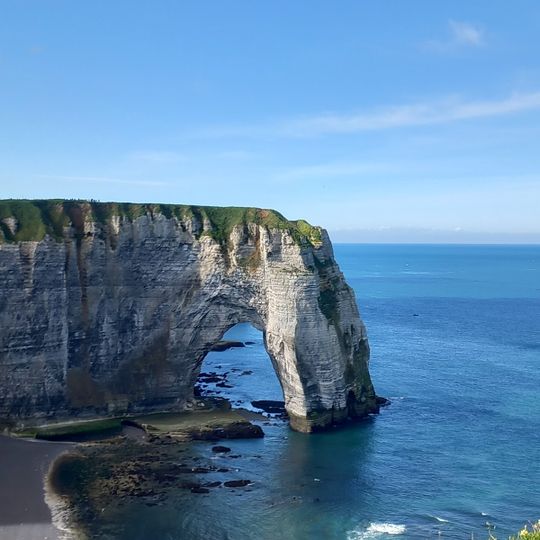
The Côte d'Albâtre is a chalk cliff coastline in Normandy, France, running along the English Channel between Le Havre and Le Tréport. The cliffs are made of pale limestone and are broken up by river valleys that open into natural bays, sheltering small fishing villages at their base.
The coastline became widely known in the 19th century when painters and writers began visiting and recording its landscape in their work. Later, the area received Natura 2000 protected status, formally recognizing its value for European nature conservation.
Claude Monet and other Impressionist painters worked along this coastline, capturing the white cliffs in changing light across different times of day and season. Today many visitors walk the same paths those artists once took, looking for the viewpoints that appear in their paintings.
The GR21 hiking trail links several coastal villages and lets visitors explore sections on foot or by bicycle at their own pace. The trail has multiple entry points, so it is easy to walk single sections as day trips or combine them into a longer journey.
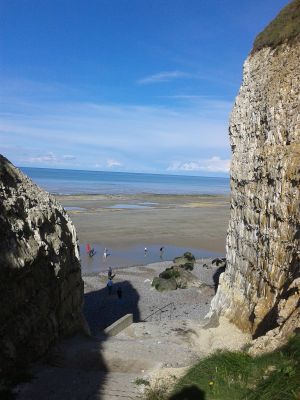
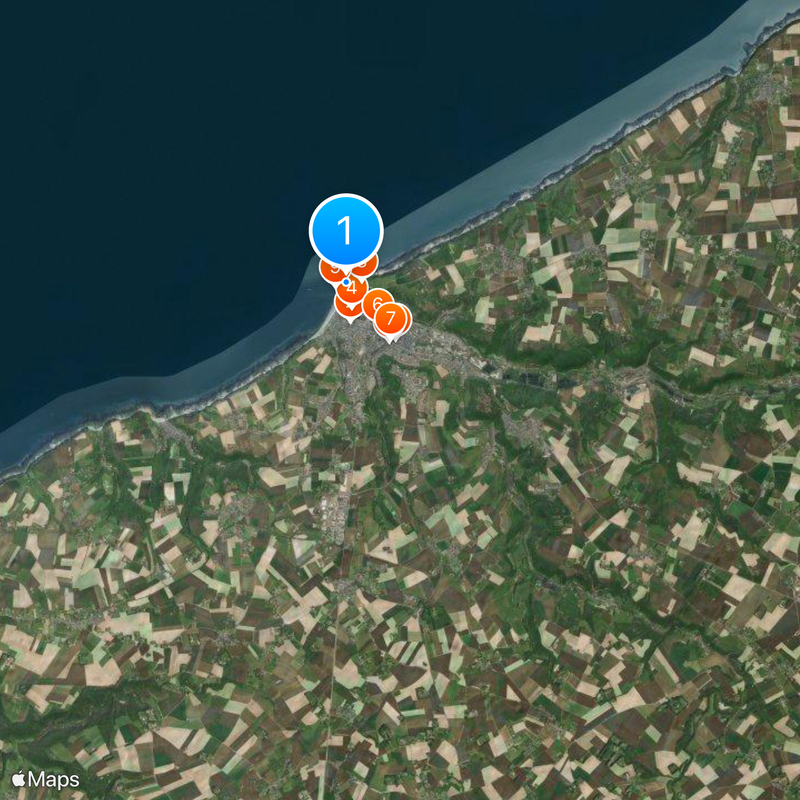
Three river valleys cut through the cliff face near Valmont, Arques, and Bresle, forming the natural harbors that allowed fishing towns like Fécamp, Dieppe, and Le Tréport to grow. Without these gaps in the otherwise unbroken cliff wall, the coast would have had no shelter for boats at all.
The community of curious travelers
AroundUs brings together thousands of curated places, local tips, and hidden gems, enriched daily by 60,000 contributors worldwide.