Epte, River in Normandy, France
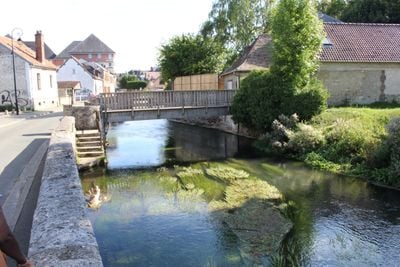
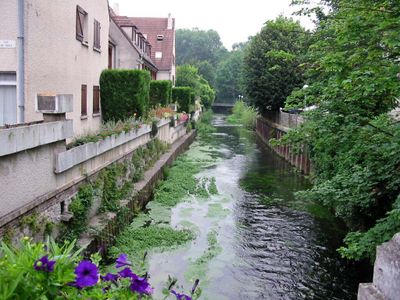
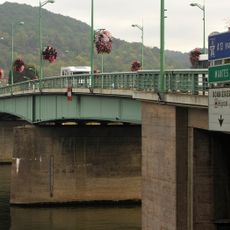
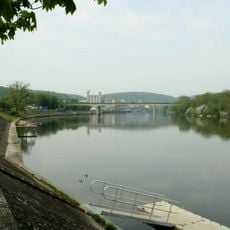
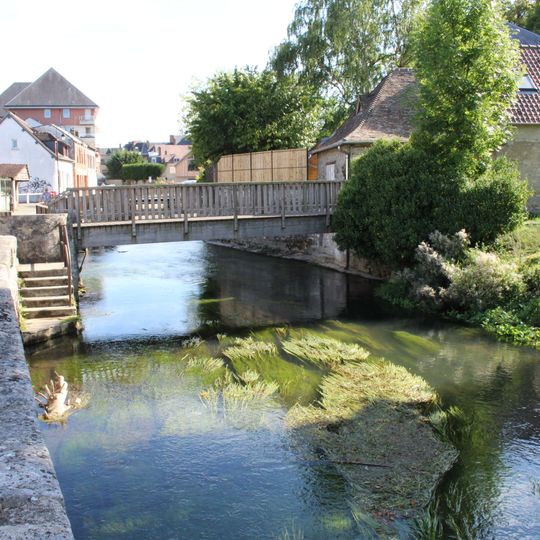
The Epte is a river in Normandy that flows approximately 112 kilometers from Forges-les-Eaux through the Seine-Maritime and Eure departments before meeting the Seine. The waterway winds through green valleys and passes multiple small villages and agricultural areas.
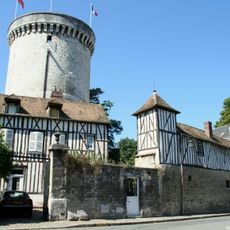
In 911, the Treaty of Saint-Clair-sur-Epte established the river as the border between the Kingdom of France and the Duchy of Normandy. This boundary shaped the political landscape of northern France for centuries to come.
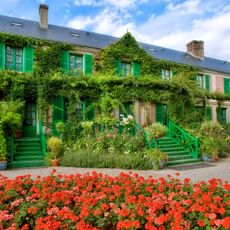
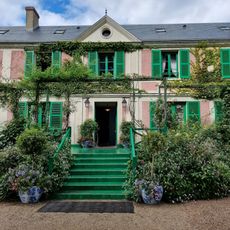
Claude Monet diverted a branch of the river to create his water garden, where the water-lily pond became the subject of his most famous paintings. This spot shows how an artist reshaped the landscape to suit his vision and made it central to his artistic practice.
Visitors can explore the valley along marked routes, including a greenway path that connects several historical villages and natural areas. Check local conditions before heading out, as some sections may be more accessible depending on the season and weather.
For centuries, the river served as a natural borderline and was therefore more than just a geographic feature—it symbolized the division between regions. Today visitors can walk the banks and see the places where this historical boundary still shapes the landscape.
The community of curious travelers
AroundUs brings together thousands of curated places, local tips, and hidden gems, enriched daily by 92,669 contributors worldwide.