Luxor Obelisk, Ancient Egyptian obelisk at Place de la Concorde, France
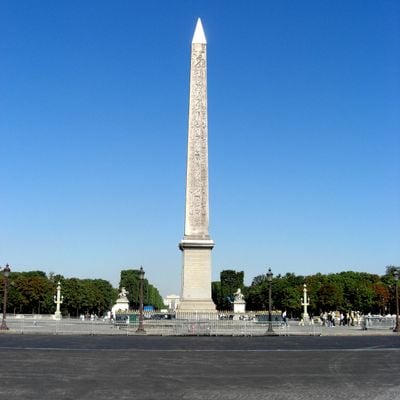
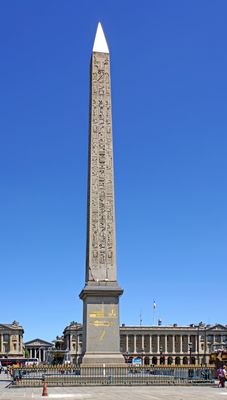
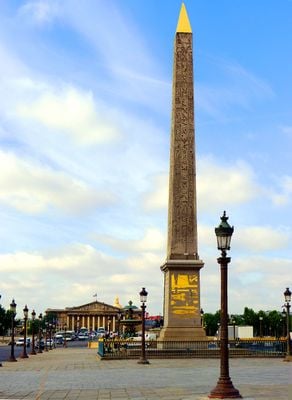
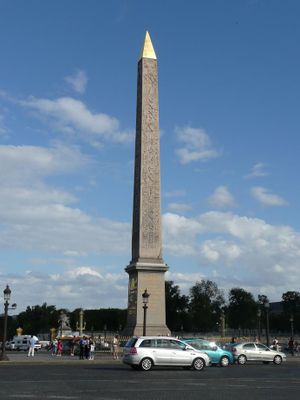
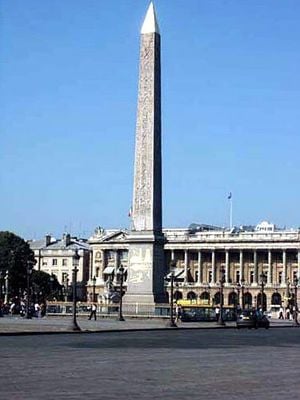
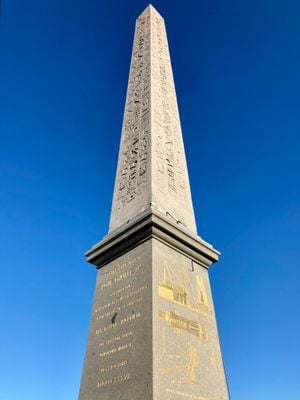
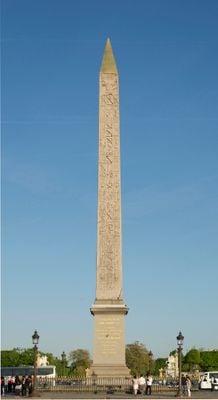
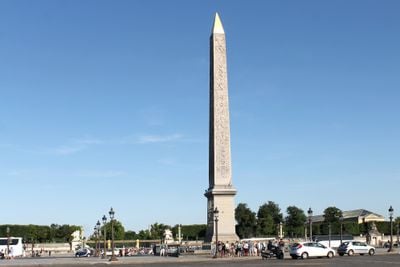
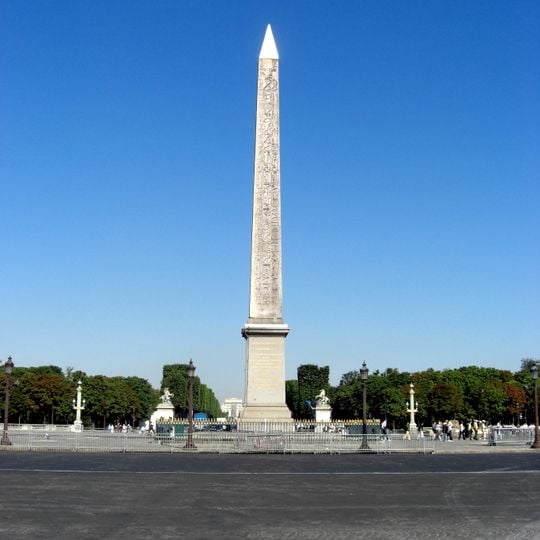
The Luxor Obelisk is a red granite monument at the center of Place de la Concorde in Paris, with hieroglyphs carved on all four sides. The slender form tapers toward the top, which is capped with a gilded pyramid of gold leaf that catches the sunlight.
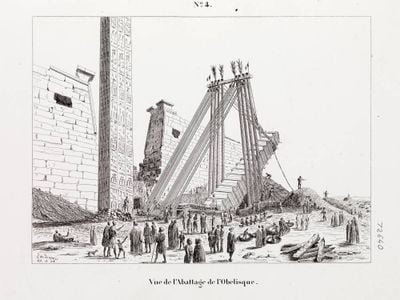
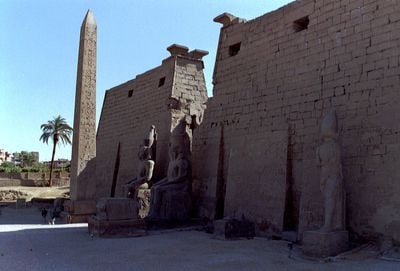
Ramses the Second commissioned the monument around 1250 BCE at the entrance to Luxor Temple to celebrate his reign. Muhammad Ali Pasha gifted it to France in 1833, and the monument reached Paris after a difficult journey across the Mediterranean and up the Seine.
The name comes directly from the Luxor Temple on the Nile, where the obelisk stood for more than three thousand years before arriving in France. Visitors recognize it as a symbol of nineteenth-century scientific curiosity and diplomatic exchange between two nations.
The obelisk stands freely on the open square and is accessible from all sides, with no barriers or entry fees. Bronze plates in the pavement work together with the shadow cast by the monument to form a working sundial, most clearly readable at midday.
A gilded pyramid now crowns the top, although the original pyramidion was lost during the long history of the monument on the Nile. The voyage took nearly three years, and the crew faced disease, storms, and technical difficulties before the monument reached Paris.
The community of curious travelers
AroundUs brings together thousands of curated places, local tips, and hidden gems, enriched daily by 90,753 contributors worldwide.