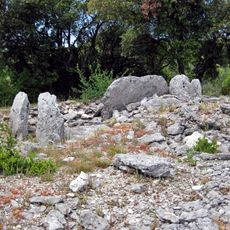
Chabot Cave, Ancient cave site in Aiguèze, France
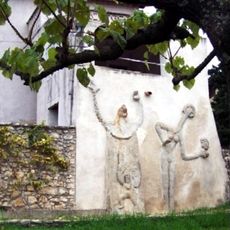
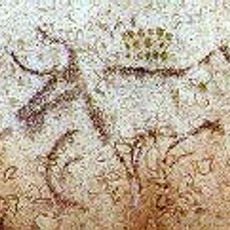
Grotte Chabot is a prehistoric cave decorated with engraved stone panels showing animal figures from the Ice Age. The engravings cover various walls and ceiling sections, with mammoths, horses, and deer carved directly into the rock.
Léopold Chiron discovered the cave in 1878 and recognized it as one of the oldest known decorated caves in Europe. Its discovery came years before similar findings elsewhere and helped researchers understand early human artistic traditions.
The engravings here show different animal species that early humans saw and hunted in their world. These images tell us about the animals that mattered to them and how they chose to represent them on stone.
The site remains closed to regular visitors, as conservation and research efforts take priority over public access. Those interested can learn about it through academic publications, documentaries, or by visiting related museums in the region.
The engravings were created about 22,000 years ago and represent one of humanity's earliest known art forms. Some details of the figures were carved with tiny tools and remarkable precision, showing how skilled these ancient artists truly were.
The community of curious travelers
AroundUs brings together thousands of curated places, local tips, and hidden gems, enriched daily by 60,000 contributors worldwide.