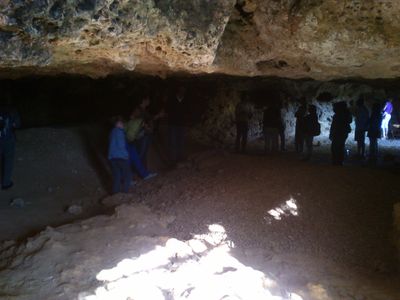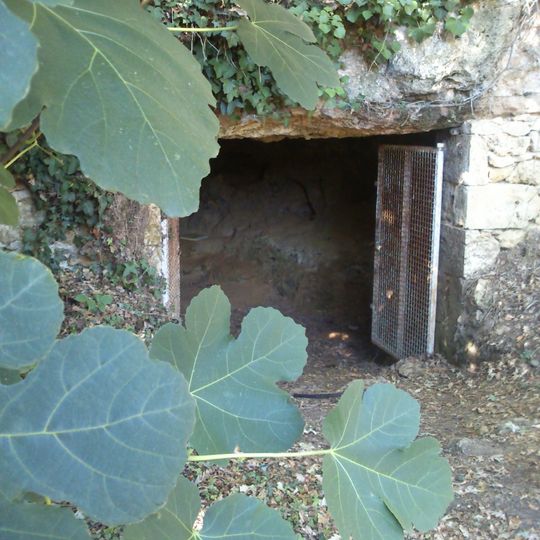
La Marche, Prehistoric cave site in Lussac-les-Châteaux, France.
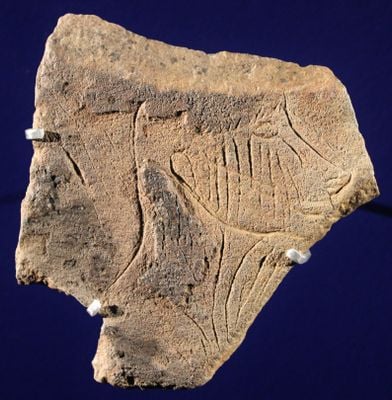
La Marche is a limestone cave containing over 3000 engraved stone tablets depicting humans, bears, lions, cattle, and horses from the Magdalenian period. The engravings range from detailed animal figures to realistic human portraits of different individuals.
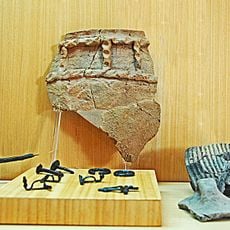
Local explorers discovered the first carved stones in 1937, leading to five years of intensive excavation work. This period revealed numerous paleolithic artifacts belonging to an era thousands of years ago.
The stone tablets display remarkably realistic human portraits with recognizable facial features and clothing. These images offer insight into the daily life and social structures of the ancient community.
Access to the cave is available only through guided tours booked via the Lussac-les-Châteaux Museum. Visits include entry to the cave site and museum exhibitions related to the finds.
Archaeologists identified a specific stone-working technique named after this location based on tools and artifacts found in the cave's archaeological layers. This method has become an important reference point for understanding paleolithic craftsmanship.
The community of curious travelers
AroundUs brings together thousands of curated places, local tips, and hidden gems, enriched daily by 60,000 contributors worldwide.