Rue Montorgueil, street in Paris, France
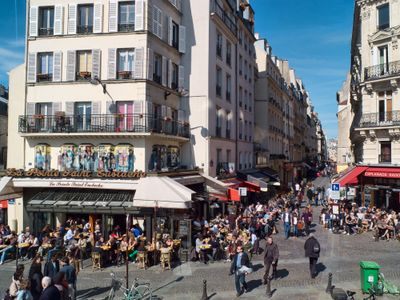
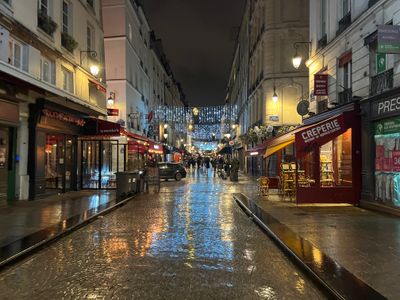
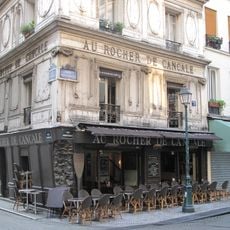
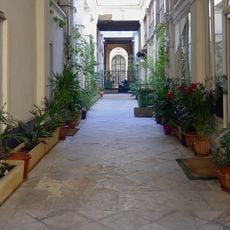
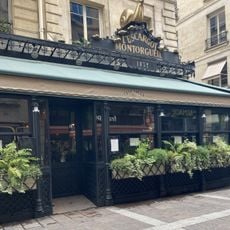
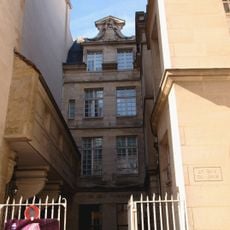
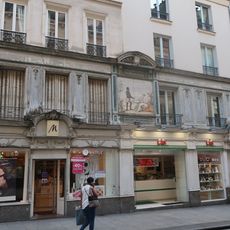
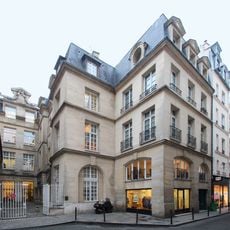
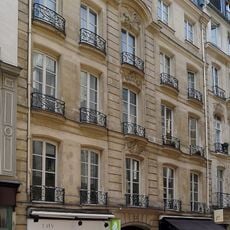
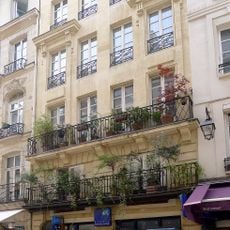
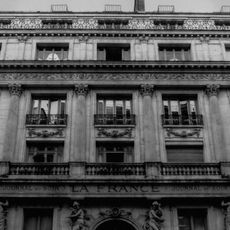
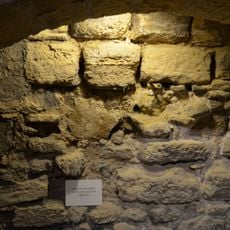
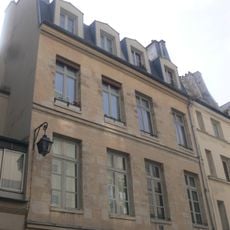
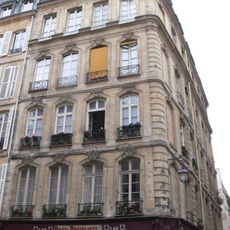
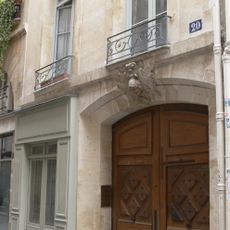
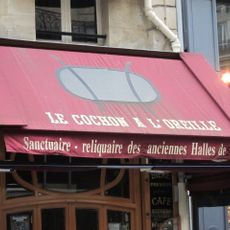
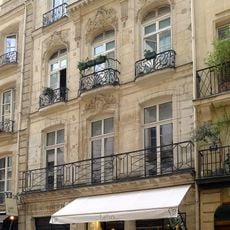
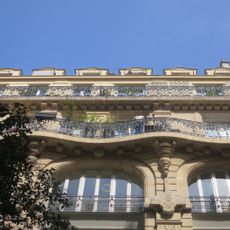
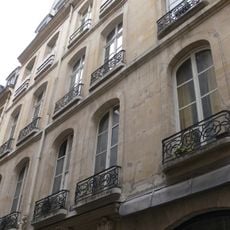
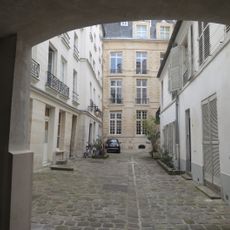
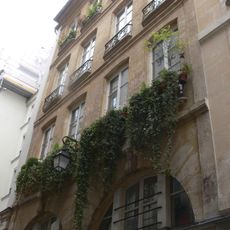
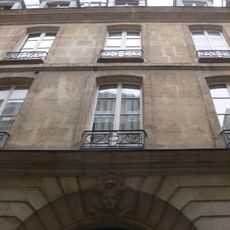
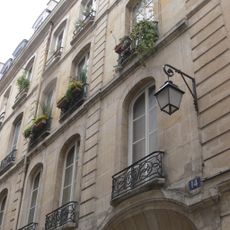
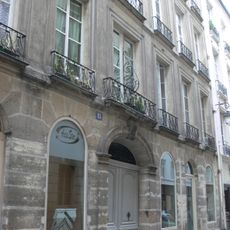
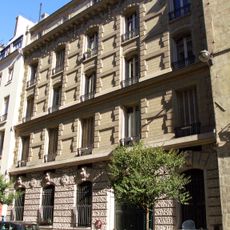
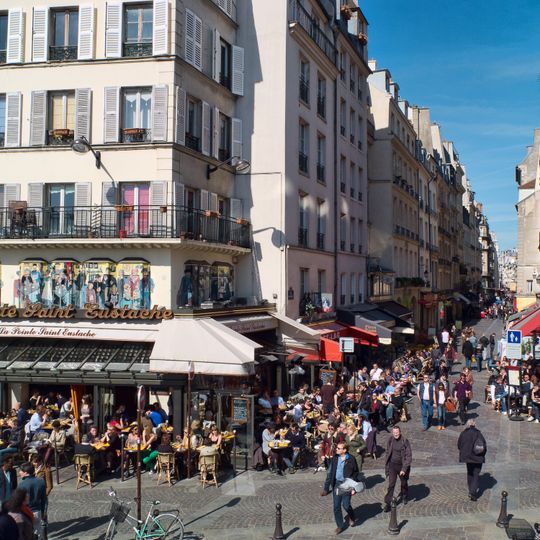
Rue Montorgueil is a cobblestone street in Paris about 360 meters long and 16 meters wide that runs through the 1st and 2nd arrondissements. Historic buildings from different periods line the street with ground floors occupied by food shops, bakeries, restaurants, and cafes that create an active commercial space.
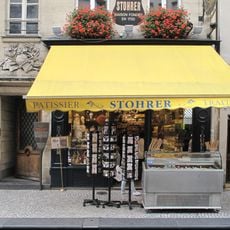
The street has existed since the 12th century as a major trade route to Les Halles, Paris's main market, and carried different names like Fishermen's Street through the centuries. Au Rocher de Cancale emerged in the 17th century, and the famous Stohrer bakery opened in 1730, establishing the street's tradition as a center of Parisian food culture.
The name Montorgueil comes from French meaning "Pride Mountain," reflecting the city's self-confidence. Today the street functions as a traditional marketplace where locals buy fresh ingredients daily and locals and visitors sit in cafes watching the busy rhythm of neighborhood life unfold.
Visit during morning and early afternoon when shops are open and the street is most active with shoppers and vendors. The nearby Sentier Metro station and the main entrance at the north end marked by Hector Guimard's distinctive green Art Nouveau arch provide easy orientation and arrival.
Claude Monet painted this street in 1878, a work now displayed at the Musée d'Orsay that captures the lively energy with waving flags and celebrating people. The painting reveals how the street has maintained its festive and bustling spirit for nearly 150 years.
The community of curious travelers
AroundUs brings together thousands of curated places, local tips, and hidden gems, enriched daily by 92,643 contributors worldwide.