Fontbrégoua Cave, Archaeological cave in Salernes, France.
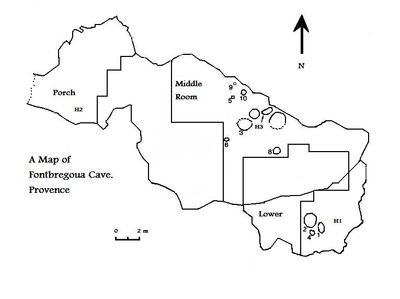
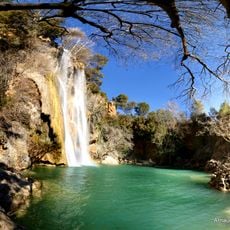
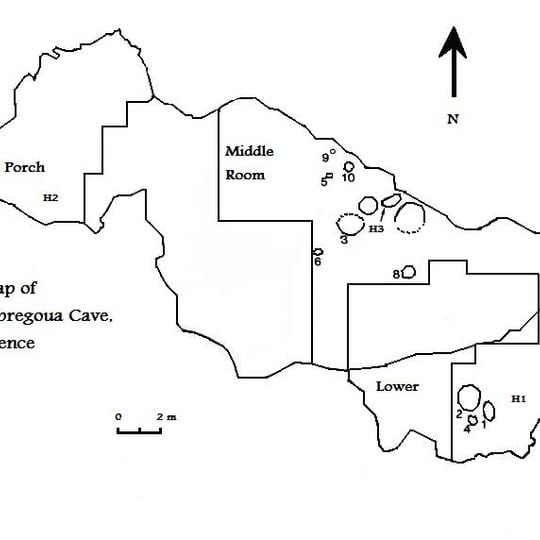
Fontbrégoua Cave is a limestone cavern near Salernes with several connected chambers including an entrance porch, central room, and lower chamber positioned 400 meters (1,300 feet) above sea level. A natural freshwater spring flows nearby, which likely attracted the ancient people who lived here.
Initial excavations between 1948 and 1960 under André Taxil revealed evidence of human presence spanning from the Upper Paleolithic through the Neolithic period. Later investigations by Jean Courtin during the 1970s expanded understanding of this long occupation sequence.
The cave holds remains of seven adults and six children, along with numerous artifacts that indicate agricultural communities used this location for temporary settlement.
Access to the cave is restricted and requires coordination with local authorities due to its protected historical monument status. Visitors should inquire ahead and obtain any necessary permissions before planning a visit.
Among the remains discovered were 13 human skeletons including children, raising new questions about how this location was actually used. Bone damage patterns sparked archaeological debate about whether these represent burial rituals or different practices.
The community of curious travelers
AroundUs brings together thousands of curated places, local tips, and hidden gems, enriched daily by 91,123 contributors worldwide.