Barrage de Serre-Ponçon, dam in France
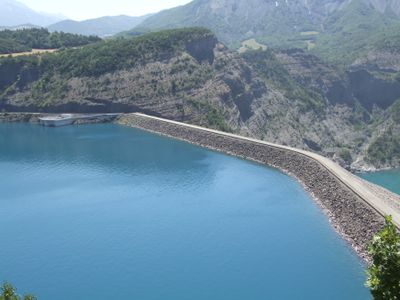
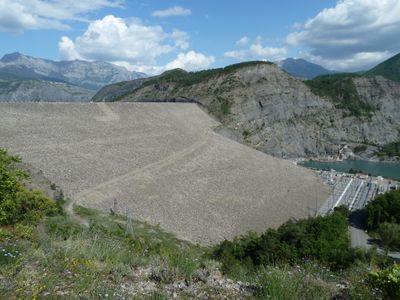
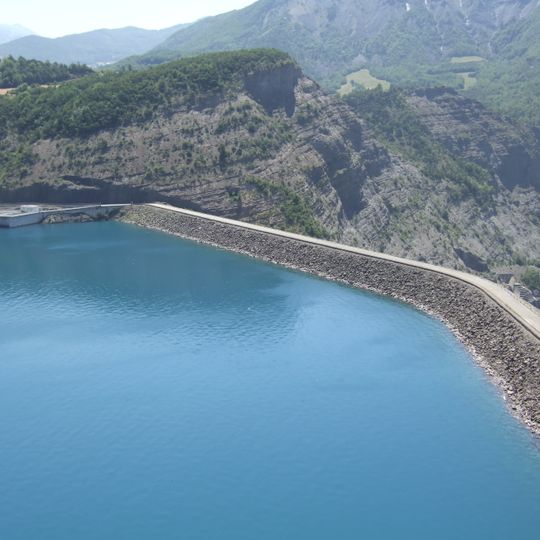
The Barrage de Serre-Ponçon is a large earthen and rock dam across the valley in the Alpes du Sud region of southern France. The structure stretches 630 meters and stores over one billion cubic meters of water, using massive concrete and earthwork to hold back the water behind it.
The idea for a dam on the Durance River emerged after severe 19th-century floods and droughts, but was not built until the 1950s. Construction from 1955 to 1959 transformed the region, with two villages submerged and a vast new lake created.
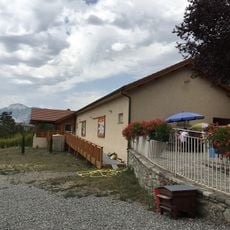
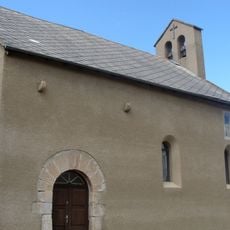
The dam reflects the relationship between people and nature that shapes this region. Surrounding villages have adapted to the dam's presence, and visitors can see how locals use the lake's resources - fishing, relaxing on the shores, or enjoying water-based activities throughout the year.
The best view of the dam is from the Belvédère Ivan Wilhelm overlook on a hill above the structure, looking out over the lake and surrounding mountains. Visitors can arrange guided tours through the dam and power station to see how water is converted into electricity.
In 1971, Jacques Cousteau's famous diving expedition conducted a rare mission to examine the dam's underwater foundations using his submersible. This technically extraordinary operation was a singular moment in the structure's history.
The community of curious travelers
AroundUs brings together thousands of curated places, local tips, and hidden gems, enriched daily by 91,478 contributors worldwide.