Croix hosannière de Moëze, 16th century wayside cross in Moëze, France
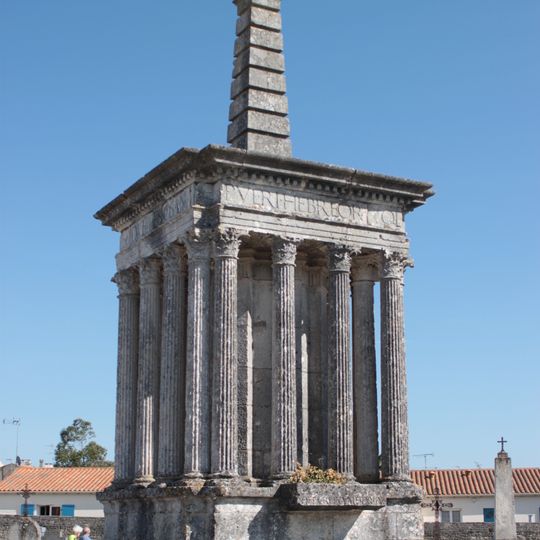
The Hosannière Cross stands in the cemetery of Moëze with four columns on each side supporting a stone entablature topped by a pyramid and cross. Latin inscriptions run across the frieze below, creating a structured and orderly composition.
The cross was built between 1628 and 1632 as a work of religious craftsmanship from that period. During the French Revolution, authorities ordered the removal of its upper section, which was restored only in 1825.
This monument marks an important station during Palm Sunday processions that still happen in the village today. Its place in the cemetery connects religious tradition to the daily rhythm of the community.
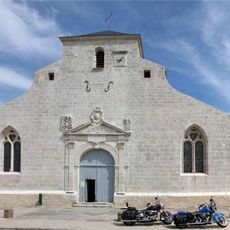
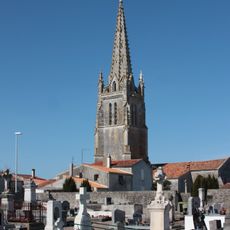
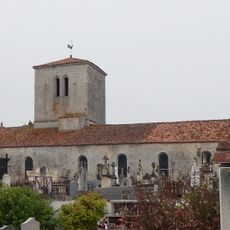
The cross sits near Saint-Pierre church and can be reached throughout the year by walking through the cemetery grounds. Visit during daylight hours to see the column details and inscriptions clearly.
The structure imitates Greek temple architecture, with fluted columns that are typical of 17th century classicism. This blend of religious purpose and classical design was relatively uncommon in France at that time.
The community of curious travelers
AroundUs brings together thousands of curated places, local tips, and hidden gems, enriched daily by 60,000 contributors worldwide.