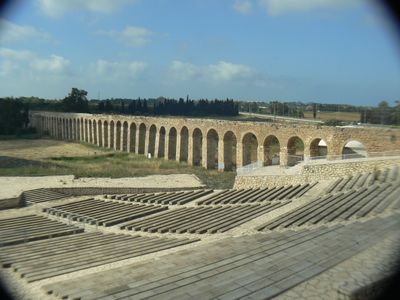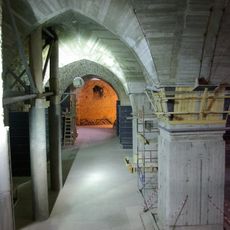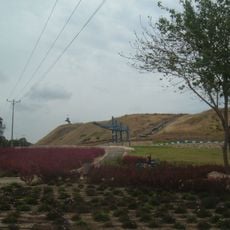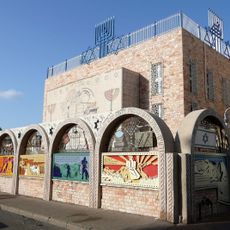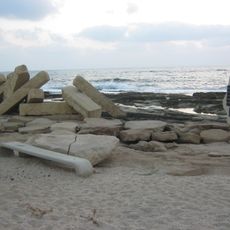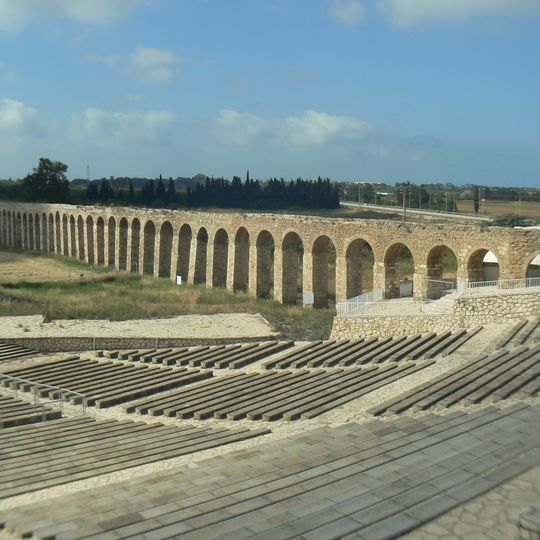
Acre aqueduct, Ottoman aqueduct in Acre, Israel.
The Acre aqueduct is a water system extending roughly 14 kilometers from Cabri Springs to the city, combining elevated and underground sections. The structure employed stone arches, ceramic pipes, and special towers designed to move water across varied terrain.
The aqueduct developed through several construction phases, with major expansion occurring in the late 18th century under the direction of Jezzar Pasha. His projects significantly improved the city's water supply and supported its expansion.
The aqueduct brought water through public fountains called sebils that stood throughout the city as gathering spaces for daily life. People came not only to collect water but also to meet neighbors and conduct local business.
The best-preserved sections are located near Lohamei HaGetaot, where the stone arches remain easy to observe. Visitors should wear comfortable shoes and check local access conditions before heading out to see the ruins.
The system used special siphon towers positioned at regular intervals to push water uphill through pressure. This method allowed water to cross hills before naturally flowing downward again on the other side.
The community of curious travelers
AroundUs brings together thousands of curated places, local tips, and hidden gems, enriched daily by 91,683 contributors worldwide.