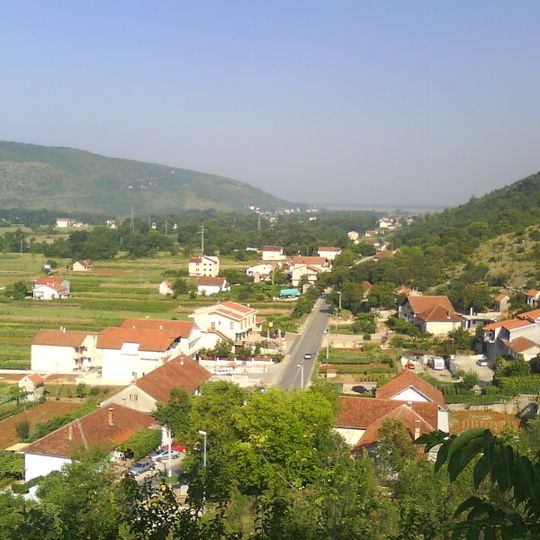
Grude, town in Bosnia and Herzegovina
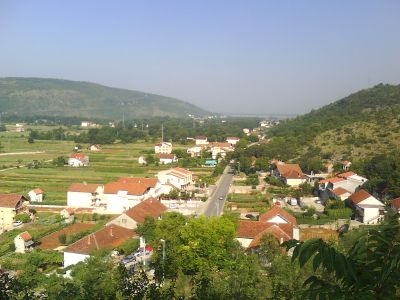
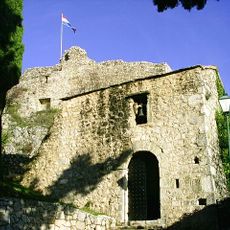
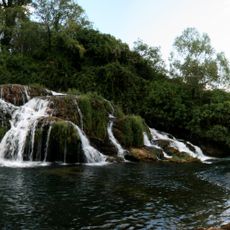
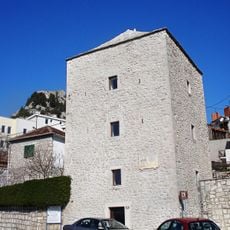
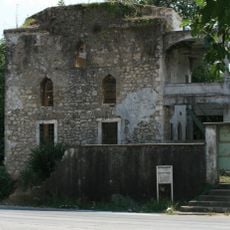
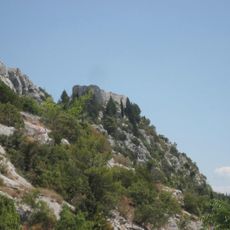
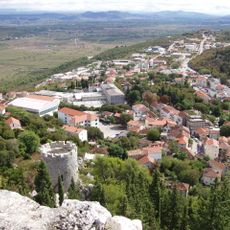
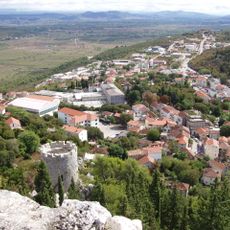
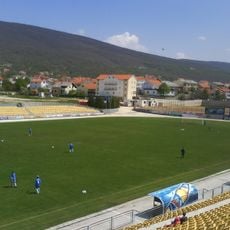
Grude is a small town located near the Croatian border in the Herzegovina region, surrounded by rocky hills and green patches typical of karst terrain. The settlement features clean streets lined with stone buildings and tiled roofs, with a paper factory named Violeta and various small factories supporting the local economy.
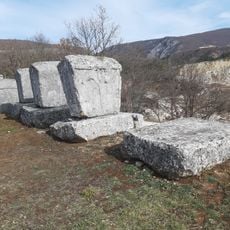
The area was inhabited since Neolithic times and later became part of the Roman Empire, as evidenced by archaeological finds of tools and pottery. During the Middle Ages, it was part of the Zachlumia region with stone tombstones called stećci marking old communities, and subsequent Ottoman and Austro-Hungarian rule brought significant changes to local customs and infrastructure.
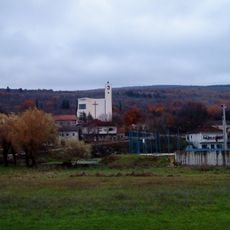
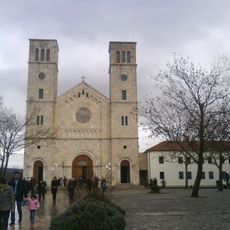
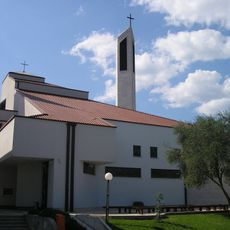
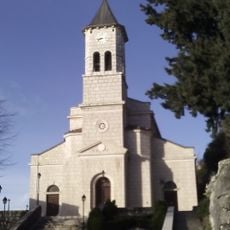
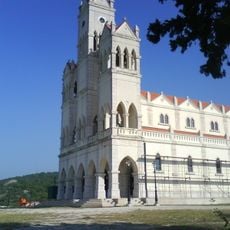
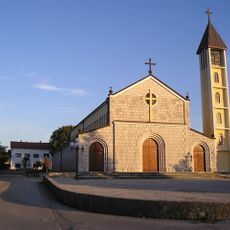
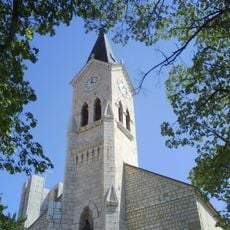
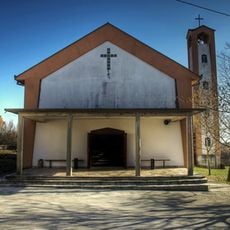
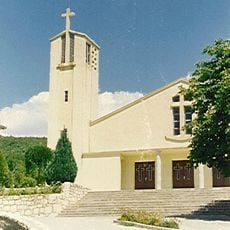
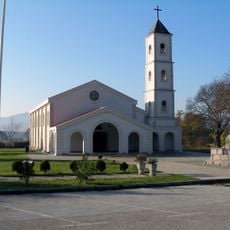
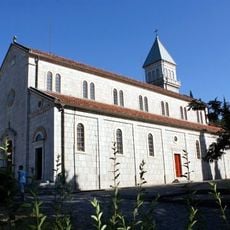
Grude reflects a strong Croatian identity visible in local festivals and daily life, where traditional music and regional dishes like raštika, a wild leafy cabbage, play important roles. The central church dedicated to St. Catherine serves as a gathering point where community celebrations and religious observances bring people together throughout the year.
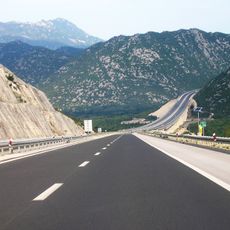
The town sits at the crossroads of two main roads connecting to other parts of Herzegovina and Croatia, making it a natural pass-through for travelers exploring surrounding villages and countryside. Basic services like water, electricity, and small shops are available locally, and the drive to larger towns like Mostar takes about an hour.
The name Grude historically derives from a Slavic word for hill or elevated ground, reflecting the town's geographical position. What often goes unnoticed is that many families maintain strong ties to relatives who emigrated to Germany and Croatia and regularly return for the annual Šimići Meetings festival to celebrate together.
The community of curious travelers
AroundUs brings together thousands of curated places, local tips, and hidden gems, enriched daily by 91,387 contributors worldwide.