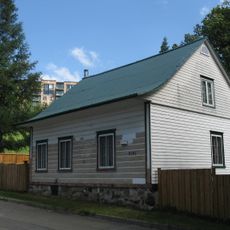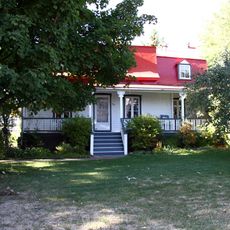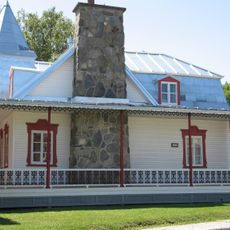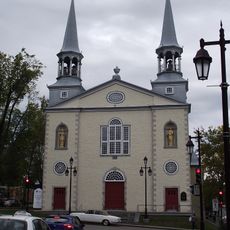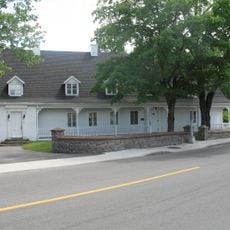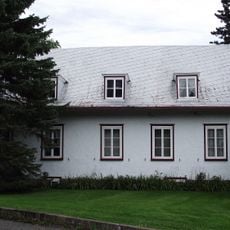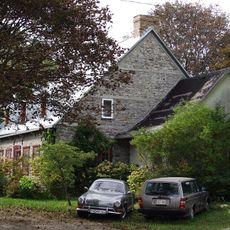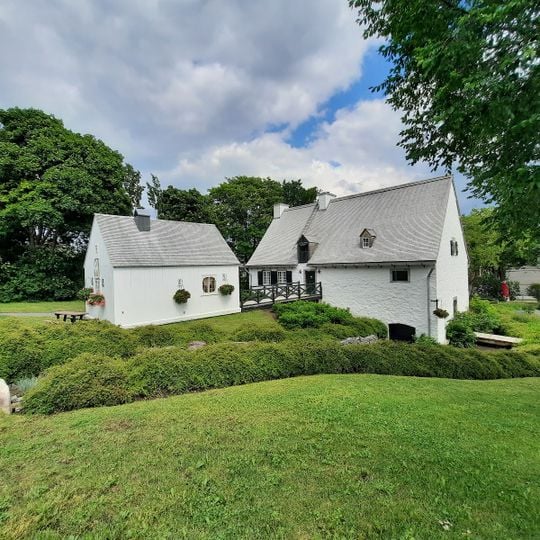
Moulin des Jésuites, Watermill in Charlesbourg, Quebec, Canada
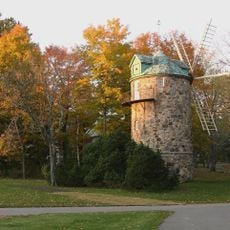
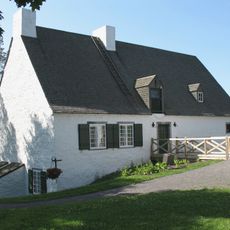
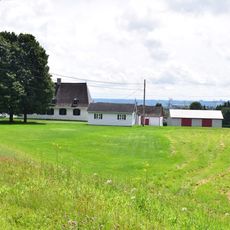
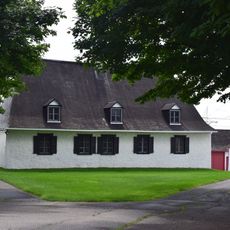
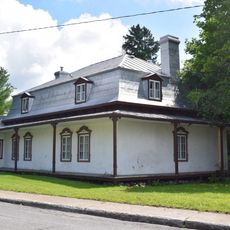
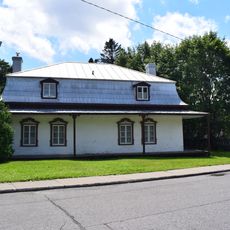
Moulin des Jésuites is a watermill in Charlesbourg, Quebec, Canada, sitting east of the Trait-Carré heritage site on the old seigneurie de Notre-Dame-des-Anges. The stone building stands near the Commissaires River, which once powered a large wheel inside to grind grain into flour for local farms.
Built by the Jesuits in 1742, this mill operated as part of a seigneurial system until that system ended in 1854. Afterward, it became private property and later served other trades before Philippe Lefebvre stopped flour production in 1940.
Inside the interpretation center, visitors can see tools and models that show the daily rhythm of turning grain into flour. Family bread-making workshops recreate gestures once central to the life of the miller's household and nearby residents.
Plan extra time to explore both the restored building and the surrounding garden, since many details are best noticed while walking slowly. The site is reachable by car or city bus, and paths between the main entrance and the mill are generally level and easy for most visitors.
The river that powered the mill was diverted by hand, and this effort gave rise to a common local saying about pulling one's weight for a shared task. Before becoming a mill museum, the building was reused as a forge, a cartwright's workshop, and even a match factory.
The community of curious travelers
AroundUs brings together thousands of curated places, local tips, and hidden gems, enriched daily by 90,895 contributors worldwide.