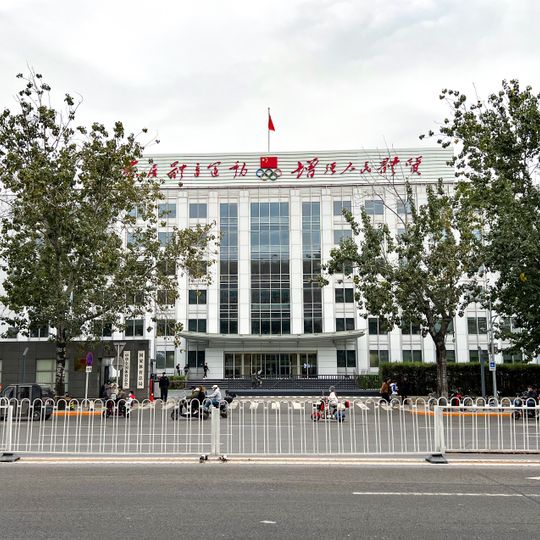
General Administration of Sport of China, government agency in China
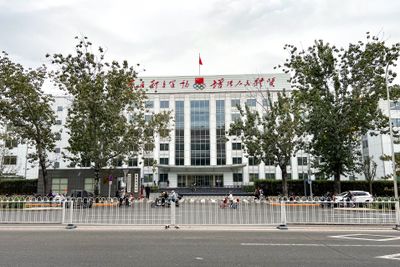
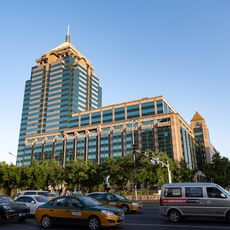
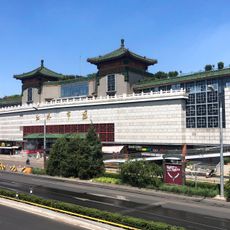
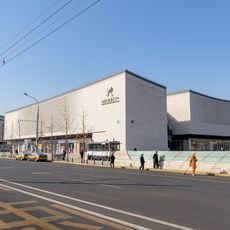
The General Administration of Sport of China is a government agency that reports directly to the State Council and oversees national sports programs, policies, and development across the country. Located in the Tiyuguanlu Subdistrict, it serves as the central coordination point for sports organizations, athlete support, and major competitions.
The organization was established in the 1950s and helped develop sports exchanges with the Soviet Union and Eastern Europe during its early years. A turning point came in 1971 when Chinese athletes competed in the World Table Tennis Championships in Japan, launching what became known as ping-pong diplomacy and opening the path to improved relations with the United States.
The organization represents a place where China's approach to sports as part of national identity becomes visible through its work and presence. Staff and visitors move with purpose and professionalism, reflecting the discipline and teamwork that define the institution's culture.
The institution is most active during national sports festivals when coordination meetings and training sessions are at their peak. Visitors can make inquiries in person, but it is best to contact ahead or request an appointment to ensure reliable access to information and staff.
The organization played an unexpected role in Cold War history when table tennis athletes became unofficial diplomats through the 1971 World Championships, a moment that helped reshape international relations. This connection makes it more than a sports administration office but a place linked to broader historical turning points.
The community of curious travelers
AroundUs brings together thousands of curated places, local tips, and hidden gems, enriched daily by 92,529 contributors worldwide.