Panketal, municipality in Barnim district, Brandenburg state, Germany
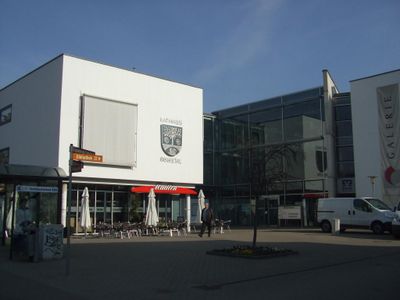
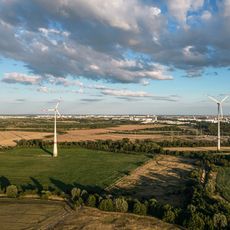
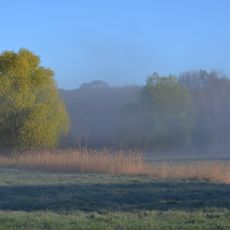
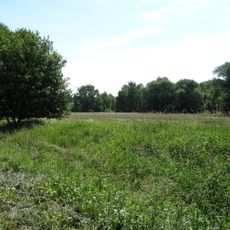
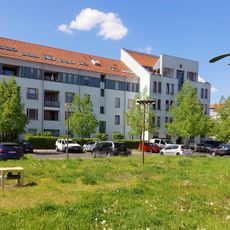
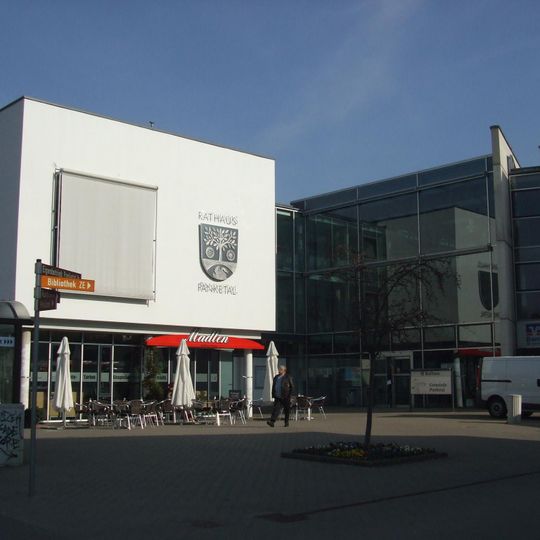
Panketal is a municipality in Brandenburg north of Berlin, composed of several settlements including Zepernick, Schwanebeck and Hobrechtsfelde. The Panke River flows through green countryside with forests and fields, and around 21,000 people live across quiet streets and open spaces connected by two train stations to the city.
Early settlements in the area formed around 1230, with Schwanebeck and Zepernick growing slowly as farming villages controlled by landowners and the church. The region experienced wars and destruction over the centuries, but residents rebuilt repeatedly, and by the 1800s Berlin's industrial growth made proximity to the city attractive for workers seeking homes.
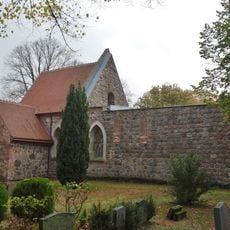
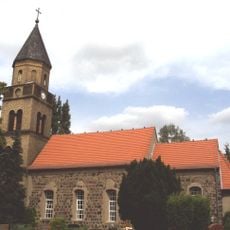
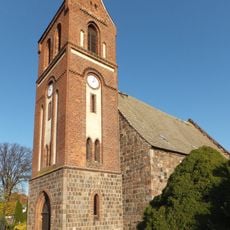
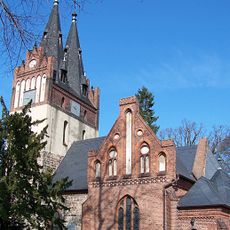
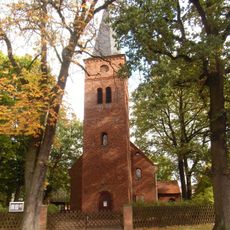
The name Zepernick comes from Slavic origins meaning thick woods or dense forest, reflecting how early settlers saw this place. The old churches dating to the 12th and 13th centuries still stand as community centers, showing how people organized their lives around these gathering places.
The area is easy to reach from Berlin's center with two train stations in Zepernick offering direct connections to the city without transfers. Visitors find schools, kindergartens, a library, and youth meeting spaces throughout, while the green surroundings invite walking, cycling, and outdoor exploration.
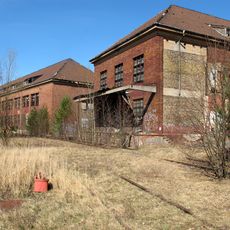
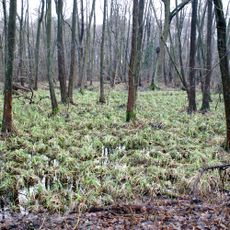
Hobrechtsfelde was part of a water management system designed by Berlin planner Ludolf Hobrecht to supply the city with clean water and manage waste. In the late 1900s the land became a nature restoration project where trees and plants were planted to clean the soil and filter water naturally.
The community of curious travelers
AroundUs brings together thousands of curated places, local tips, and hidden gems, enriched daily by 91,822 contributors worldwide.