St. Salvator, Medieval church in Pellworm, Germany
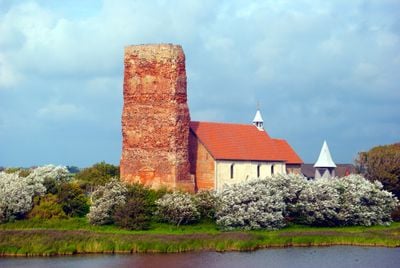
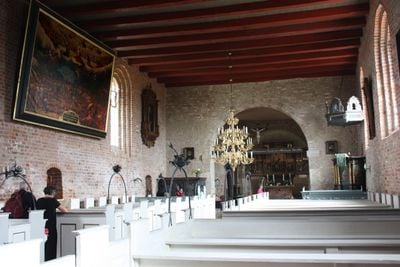
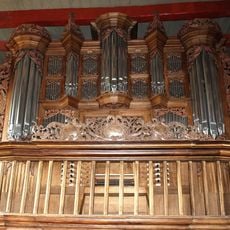
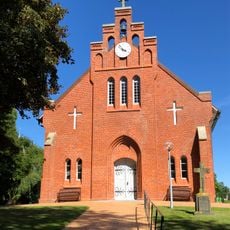
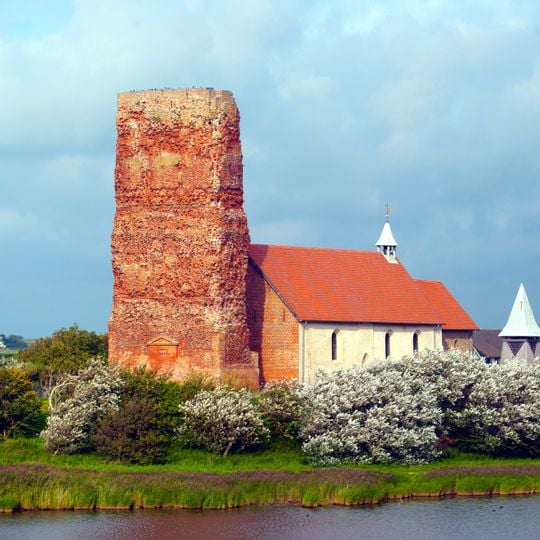
St. Salvator is a brick church on the island of Pellworm in northern Germany, built in a mix of Romanesque and Gothic styles, with white exterior walls and a small turret on the nave roof. Inside, it holds a late Gothic winged altar from the 15th century, a bronze baptismal font, and an early 18th-century organ.
The church was built around the year 1200 on the western edge of the island, close to the sea dike, replacing an earlier wooden structure that had worn down over time. A tower from that early period collapsed in the early 17th century because the soft ground beneath it could no longer support its weight.
The name St. Salvator means "the Savior" in Latin, a dedication that has shaped the identity of this place of worship for centuries. Inside, the winged altar draws the eye immediately: its painted panels open like a triptych, showing figures and scenes that visitors can study up close.
The church sits near the sea dike on the western side of Pellworm and is easy to reach on foot or by bicycle from the main village. Concerts take place during the warmer months, giving visitors a chance to hear the old organ played in the building it was made for.
The ruins of the collapsed tower still stand on the church grounds and have become a nesting site for falcons, which breed there each year. This combination of crumbling stonework and active bird life is something most visitors do not expect to find at a church.
The community of curious travelers
AroundUs brings together thousands of curated places, local tips, and hidden gems, enriched daily by 91,812 contributors worldwide.