Wadden Sea and Hallig Islands of Schleswig-Holstein Biosphere Reserve, Biosphere reserve on the North Sea coast in Schleswig-Holstein, Germany.
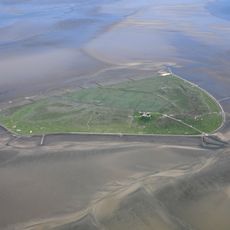
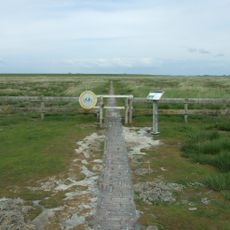
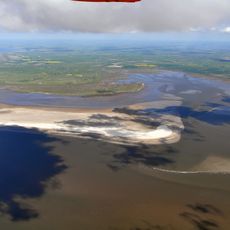
The Wadden Sea and Hallig Islands biosphere reserve is a protected coastal area featuring extensive mudflats, salt marshes, and five inhabited islands along the North Sea. The landscape changes constantly with two daily tidal cycles that submerge and expose the seabed.
The reserve was established in 1990, covering roughly the area of the Schleswig-Holstein Wadden Sea National Park founded in 1985. On 3 February 2005 UNESCO recognised it as the "Schleswig-Holstein Wadden Sea and Hallig Islands" biosphere reserve, aligning it with the national park enlarged in 1999 and adding a development zone of 21 square kilometres around the inhabited Halligen Langeneß, Oland, Gröde, Nordstrandischmoor and Hooge.
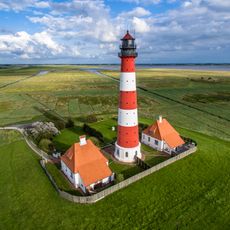
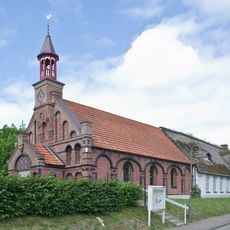
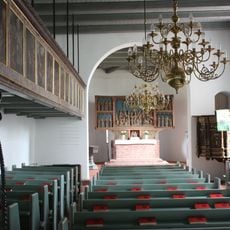
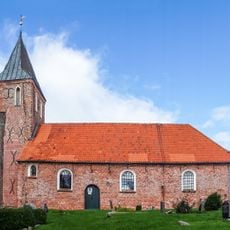
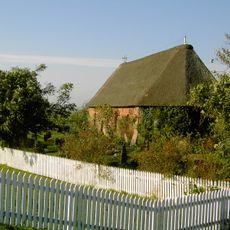
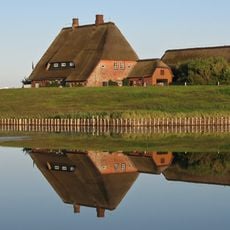
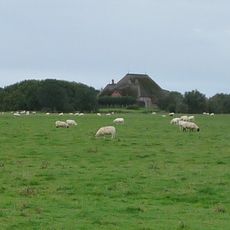
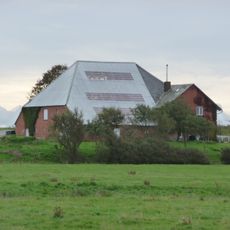
The Hallig islands are home to communities who have adapted their way of life to live with regular tidal flooding for centuries. Their raised houses built on artificial mounds shape the landscape and show a unique relationship between people and the natural environment.
The reserve covers 4,431 square kilometres between the Elbe estuary and the Danish border, with a 1,570-square-kilometre core zone, a 2,840-square-kilometre buffer zone and a 21-square-kilometre development zone around the inhabited Halligen. The National Park administration in Tönning and the Amt Pellworm office, through the Geschäftsstelle Biosphäre, handle visitor matters. Check tide tables before walking the flats; sturdy shoes and rain gear suit the wet ground.
The development zone of the reserve covers 21 square kilometres and consists of the inhabited Hallig islands Langeneß, Oland, Gröde, Nordstrandischmoor and Hooge. Their residents call their home "Biosphäre Halligen" and take part in sustainability projects there.
The community of curious travelers
AroundUs brings together thousands of curated places, local tips, and hidden gems, enriched daily by 92,871 contributors worldwide.