Nordfriesisches Wattenmeer, Protected intertidal zone in Schleswig-Holstein, Germany.
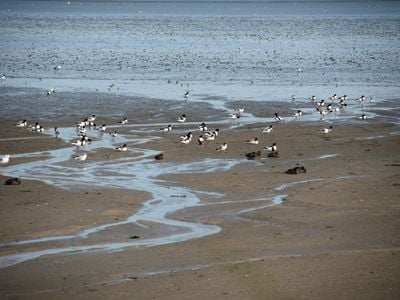
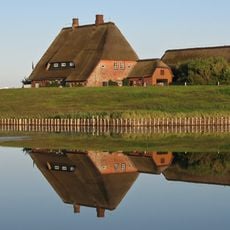
The Nordfriesisches Wattenmeer is a protected coastal zone with extensive mudflats, salt marshes, and wetland areas along the North Sea shore. The landscape constantly shifts between water and mud, creating a complex habitat that supports a wide range of life.
This area received protected status in 1982 and has become a recognized natural heritage site. The mudflats formed naturally following the last ice age, representing thousands of years of coastal evolution and change.
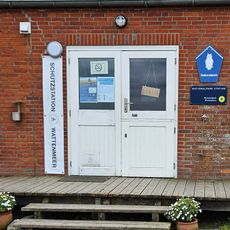
The reserve is looked after by volunteer groups including the Jordsand society for seabird protection, the Schutzstation Wattenmeer, Öömrang Ferian on Amrum, and local associations in Wiedingharde, Mittleres Nordfriesland and Südtondern. Their wardens lead guided walks and monitor breeding and resting birds.
The reserve stretches from Sylt in the north to the Eiderstedt dike and the Tümlauer Bucht near Sankt Peter-Ording in the south; the islands, Halligen and their causeways lie outside it. A 150-metre strip along the coastline is not part of the national park. Sections are looked after by Jordsand, the Schutzstation Wattenmeer, Öömrang Ferian and local conservation groups.
This area serves as a stopover for millions of migratory birds traveling between continents each year. This seasonal movement represents one of the largest bird migrations on Earth and makes the mudflats a crucial point on their route.
The community of curious travelers
AroundUs brings together thousands of curated places, local tips, and hidden gems, enriched daily by 93,316 contributors worldwide.