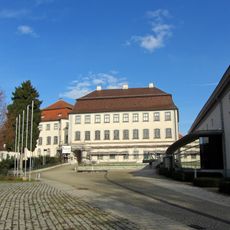
Heggbach Abbey, Former Cistercian abbey in Maselheim, Germany.
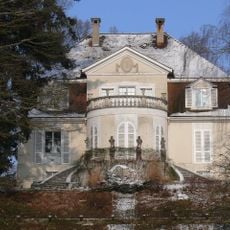
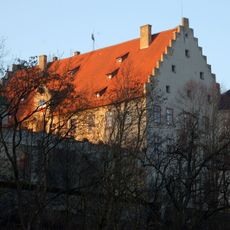
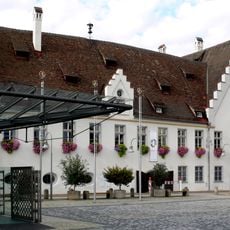
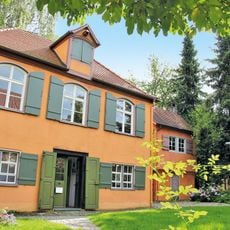
Heggbach Abbey stands as a historical monastic complex in Maselheim, Baden-Württemberg, featuring preserved medieval architecture including the main gate, church buildings, and former living quarters that once housed a community of Cistercian nuns.
Founded around 1248 when Pope Innocent IV officially incorporated the monastery into the Cistercian order, the abbey developed from an earlier Beguine community and accumulated substantial landholdings through donations from noble families until its dissolution during secularization in 1803.
The abbey church, dedicated to Our Lady and Saint George, was consecrated in 1343; the St. Agnes convent chapel followed in 1500 and the Freyberg chapel of St. Anna in 1528. Around 1500 Gregor Erhart carved a Christ Child figure for the monastery, now in the Museum für Kunst und Gewerbe Hamburg. The Freybergs held the right to bury their family in the choir from 1493.
Today the former abbey buildings serve as facilities for the St. Elisabeth Foundation, providing care services for people with disabilities and hosting cultural events, while visitors can explore the preserved historical structures and learn about regional monastic history.
In 1525 rioting farmers of the Baltringer Haufen looted the abbey after complaints about heavy taxes went unanswered; they painted a red cross on the main gate as a sign that the abbey now answered to them. The abbess Walburga Bitterler later refused Biberach's attempt to impose Lutheran doctrine in 1529.
The community of curious travelers
AroundUs brings together thousands of curated places, local tips, and hidden gems, enriched daily by 94,925 contributors worldwide.