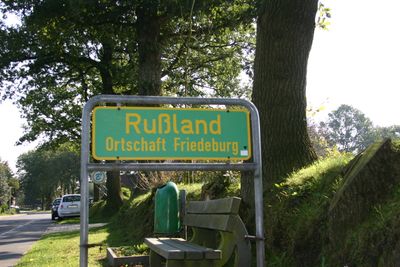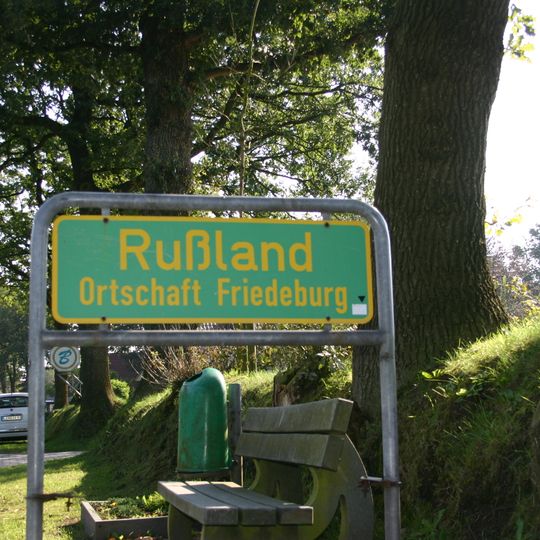
Friedeburg, municipality of Germany
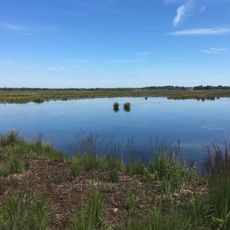
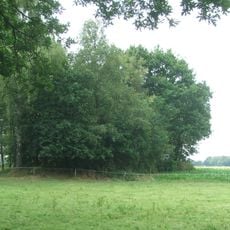
Friedeburg is a rural municipality in Wittmund district in northern Germany, located in a flat landscape of fields and farmland. The village consists of scattered homes and agricultural buildings spread across a low-lying terrain typical of East Frisia.
Friedeburg's history is rooted in the agricultural traditions of East Frisia that developed over centuries. The presence of a major salt dome nearby, formed over 240 million years ago, has influenced the region's development and resource management over time.
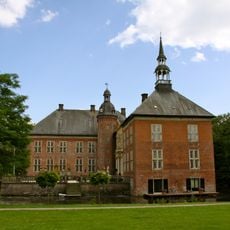
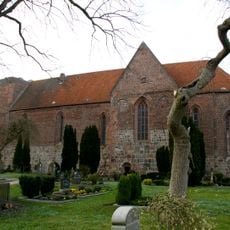
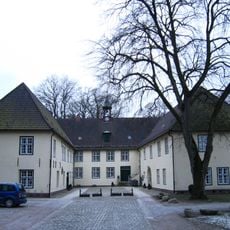
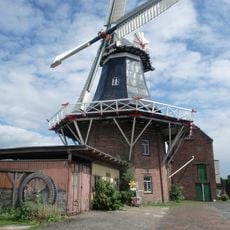
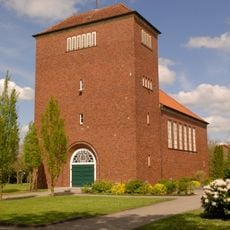
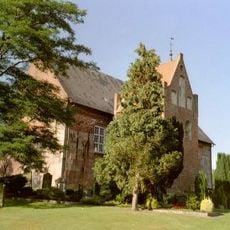
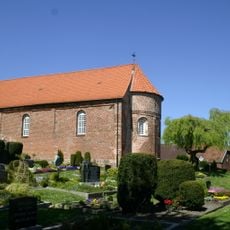
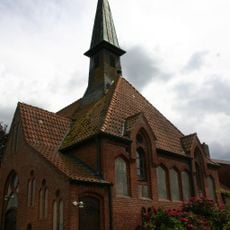
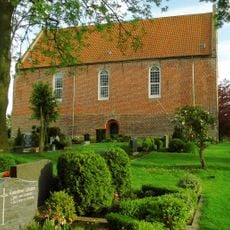
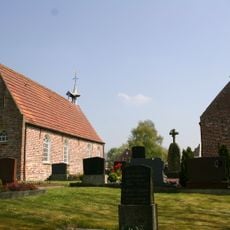
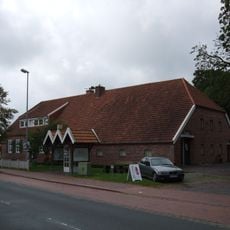
Friedeburg reflects the traditions of East Frisia, a region where farming and local community ties shape daily life. The village's simple brick and tile-roof architecture is typical of this northern German landscape and creates the visual character that visitors notice when walking through.
Access to the village is by small roads connecting to larger towns in the district. Exploring the area works best by car or bicycle, which are the practical options for traveling through the countryside.
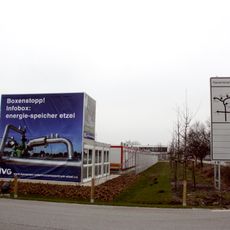
A few kilometers east lies one of Europe's largest salt domes, containing over 46 million cubic meters of salt and now storing natural gas and oil underground. The site has recently been adapted to store hydrogen as well, making it an important part of Germany's energy infrastructure.
The community of curious travelers
AroundUs brings together thousands of curated places, local tips, and hidden gems, enriched daily by 90,977 contributors worldwide.