Benediktbeuern Abbey, Benedictine monastery in Bavaria, Germany
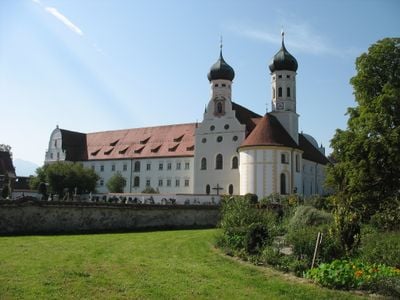
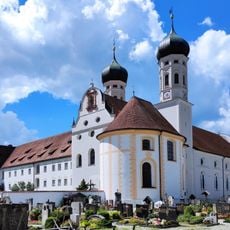
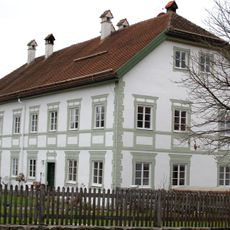
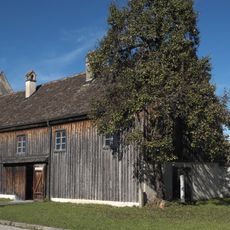
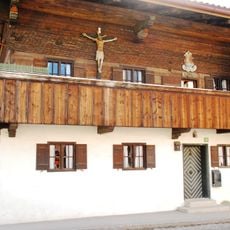
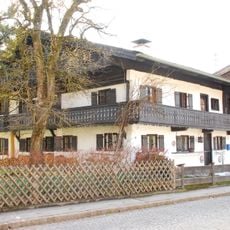
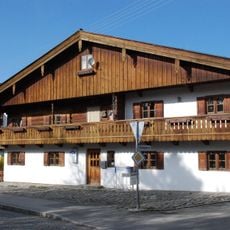
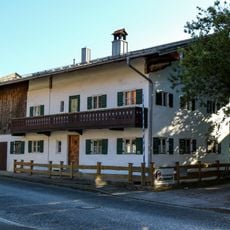
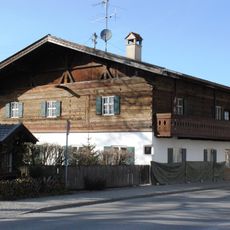
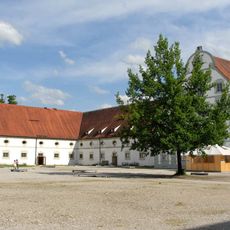
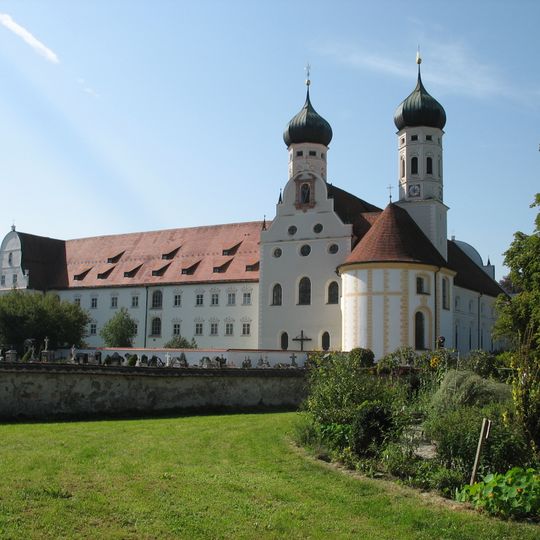
Benediktbeuern Abbey is a Benedictine monastery in Upper Bavaria, located south of Munich, with baroque buildings forming a large complex. The site includes churches, residential buildings, and outbuildings that together create a functioning religious compound.
Founded around 739/740 by the Huosi clan, the abbey was destroyed by the Hungarians in 955 and restored as a house of canons in 969. In 1031 Conrad II returned it to Benedictine rule with monks from Tegernsee. It burned in 1248, 1377, 1378 and 1490, was dissolved in 1803, and since 1930 has been run by the Salesians of Don Bosco.
The abbey is dedicated to Saints James and Benedict; after Charlemagne donated a forearm relic of Benedict, he became the church patron. Since 1053, when Abbot Gotschalk translated the relics of Saint Anastasia here, pilgrims have come to the Anastasia Chapel, built 1750–1758 by Johann Michael Fischer. Today the Salesians of Don Bosco run the site as a youth education centre.
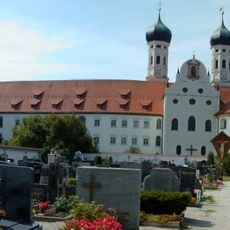
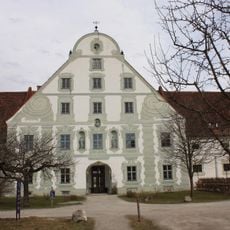
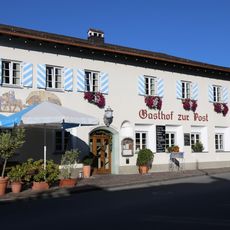
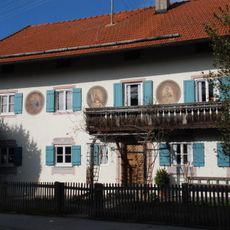
The complex is split into two parts: the Maierhof farmyard by the station, holding the Klosterbräustüberl, the costume centre and the Zentrum für Umwelt und Kultur, and the monastery proper to the west, reached past the cemetery. The cloister, chapter hall and former library are the interior spaces to look for; the Anastasia Chapel adjoins the church. The site was badly damaged in a 2023 storm, so check which buildings are open before setting out.
The Carmina Burana manuscript, a 13th-century collection of songs by wandering scholars, came to light during the dispersal of the abbey library after the 1803 secularisation. It is now held in the Bayerische Staatsbibliothek in Munich. Reports also tell that some books were used to fill holes in the cart tracks of the moor between the monastery and the river Loisach.
The community of curious travelers
AroundUs brings together thousands of curated places, local tips, and hidden gems, enriched daily by 93,899 contributors worldwide.