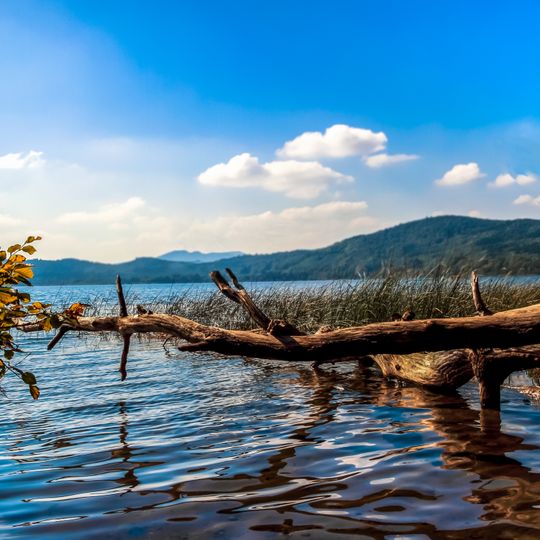
Laacher See, Caldera lake in Glees, Germany
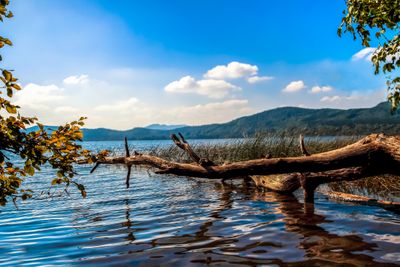
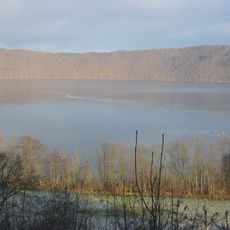
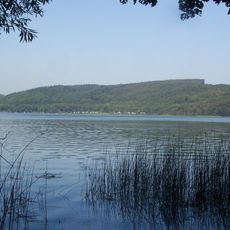
The Laacher See is an oval lake about 3.3 km² in area and 51 m deep, the largest in Rhineland-Palatinate. It fills a caldera, not a crater, surrounded by a wall of banks averaging 125 m high. A fallen tree trunk with broken branch stubs lies in the water near tall reeds, and a small cluster of pale buildings stands on the far shore.
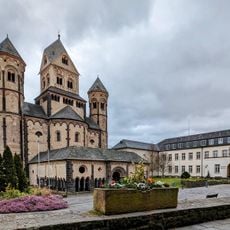
The caldera formed in a Plinian eruption dated by 2021 radiocarbon work on buried tree trunks to 11,056 BC, with a Volcanic Explosivity Index of 6. Tephra dammed the Rhine, and its fallout serves geologists as the Laacher See Tephra marker. Henry II of Laach founded the Benedictine abbey on the western shore in 1093.
The Benedictine monastery on the western shore operates a bookshop and workshop where monks continue to practice traditional crafts. Visitors often stop to buy handmade pottery and other items produced within the monastic community.
A circular footpath of roughly 7 kilometers (4.3 miles) follows the shore through forest and is mostly flat, making it easy for families with children. The water temperature rises enough for swimming in July and August, and the north and southeast shores have designated bathing areas.
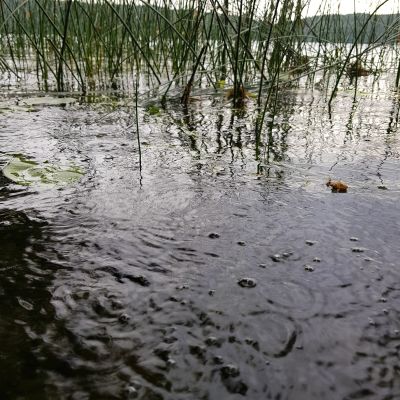
Gas bubbles rise steadily through the water near the eastern shore, a visible sign of the magma chamber still active below. These emissions, known as mofettes, are best seen from a small jetty where the phenomenon has continued without pause for decades.
The community of curious travelers
AroundUs brings together thousands of curated places, local tips, and hidden gems, enriched daily by 94,864 contributors worldwide.