Mönckebergstraße, Shopping street in Hamburg-Mitte, Germany
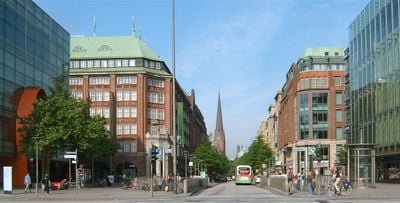
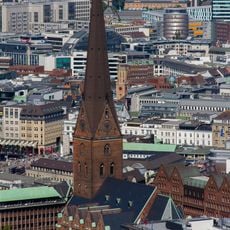
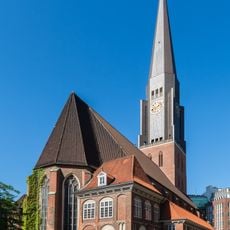
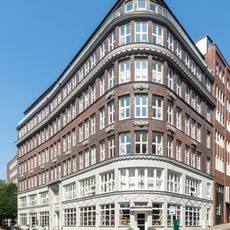
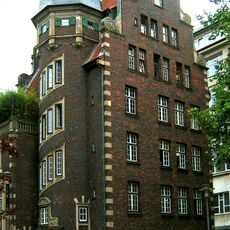
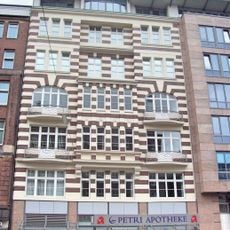
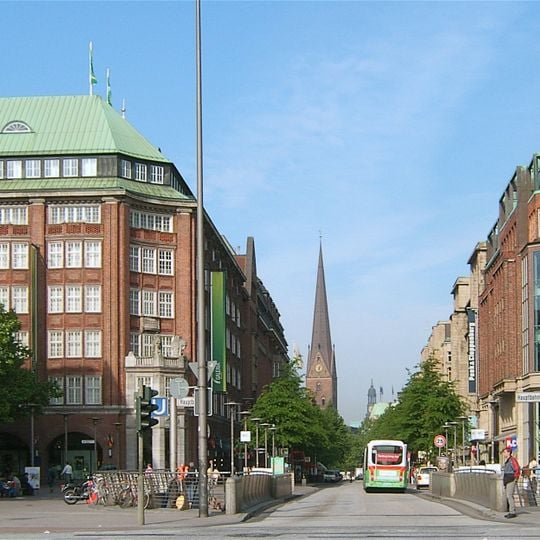
Mönckebergstraße runs about 800 metres in a slight S-curve from Hamburg Central Station to the Rathaus, with a width of 30 metres. The street is lined with large multi-storey commercial buildings, including red-brick blocks with white-framed windows and green copper roofs. A slender dark church spire rises in the distance.
Construction began in 1909 after the demolition of narrow medieval lanes and created a modern retail corridor in the center. Bombing destroyed large sections during the Second World War, and reconstruction followed in the postwar decades.
The street is named after mayor Johann Georg Mönckeberg, who chaired the redevelopment commission from 1897; a 2022 senate decision also honours his daughter-in-law Vilma Mönckeberg-Kollmar. Locals shorten the name to "Mö". At Gerhart-Hauptmann-Platz the street meets Spitalerstraße at a fork marked by the Mönckebergbrunnen fountain.
U-Bahn stations Hauptbahnhof and Mönckebergstraße offer direct access to the pedestrian zone. Three parking garages in close proximity are available for drivers, while the street itself is closed to traffic.
The street is slightly S-shaped and was laid out 30 metres wide; trams ran along it until 1978. Its construction was largely self-financing: the city bought the plots, resold them with building conditions, and covered 36.7 of the 39.4 million marks in road costs from the land deals.
The community of curious travelers
AroundUs brings together thousands of curated places, local tips, and hidden gems, enriched daily by 93,311 contributors worldwide.