Katzenelnbogen, Medieval castle and municipality in Rhein-Lahn-Kreis, Germany
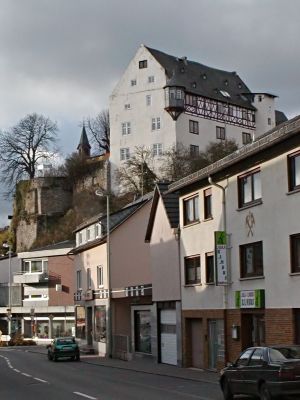
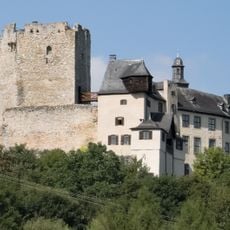
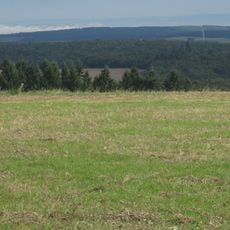
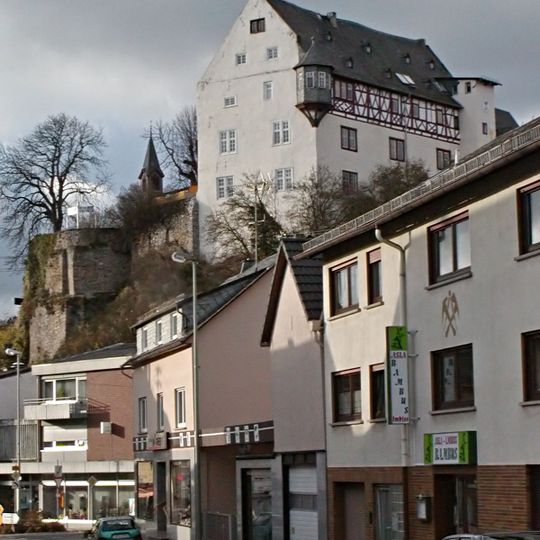
Katzenelnbogen is a municipality in Rhineland-Palatinate centered around a medieval castle that once served as a noble stronghold. The town spreads through a river valley surrounded by vineyard-covered slopes and forested hills.
The castle was founded in 1095 and became the seat of the counts of Katzenelnbogen, who controlled customs duties along the Rhine. The noble line came to an end in 1479 when the male descendants died out.
The town holds an important place in wine history, as Riesling grapes were first documented here in 1435 in a noble inventory. This connection to viticulture remains visible in the local landscape and traditions today.
The town is accessible by public transport and has basic services including shops and facilities for visitors. The best time to visit is late spring through early fall, when the weather is pleasant and the surrounding vineyards are most active.
The name comes from the Latin "Cattimelibocus," linking ancient Germanic tribes and Roman mountain nomenclature rather than referring to a cat's elbow as the modern name suggests. This hidden etymology reveals how different cultures left their mark on the area through language.
The community of curious travelers
AroundUs brings together thousands of curated places, local tips, and hidden gems, enriched daily by 92,020 contributors worldwide.