Swedish Pomerania, Historical territory on Baltic coast, Germany
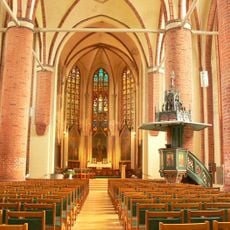
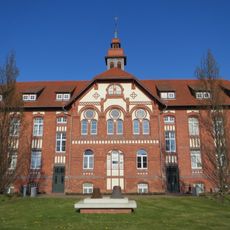
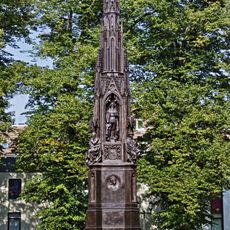
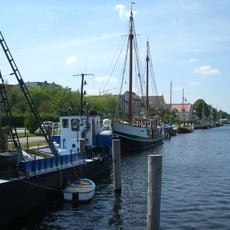
Swedish Pomerania was a historical territory along the Baltic Sea's southern coast, encompassing Western Pomerania and islands such as Rügen, Usedom, and Wolin. The region's character was defined by its coastal geography and these strategically positioned islands that influenced commerce and governance.
Sweden gained control of Pomerania in 1648 through the Treaty of Westphalia, transforming it into a distinct province under Swedish rule. The territory remained under Swedish administration for more than a century before shifting political circumstances led to its decline in the early 19th century.
The territory blended Swedish administrative practices with local German traditions that shaped how people lived and conducted their daily affairs. This mix left traces in local customs and the way communities organized themselves.
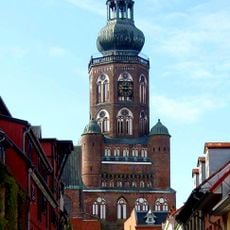
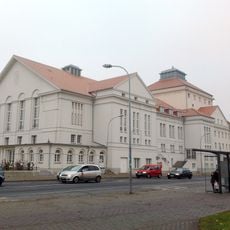
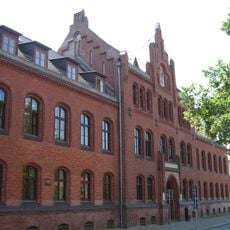
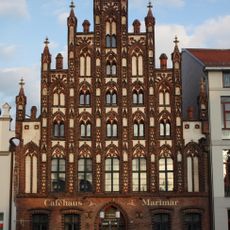
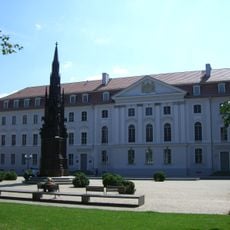
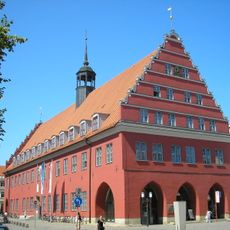
Three major cities - Stralsund, Greifswald, and Stettin - served as hubs for trade, administration, and travel within the territory. Those exploring the region's historical sites today would focus on these urban centers, as they formed the primary access points and gathering places.
The region maintained its own legal system until 1806, distinctly separate from other European provinces of the time. This independent framework was eventually replaced by Swedish legal codes, demonstrating how long the territory preserved its legal distinctiveness.
The community of curious travelers
AroundUs brings together thousands of curated places, local tips, and hidden gems, enriched daily by 91,125 contributors worldwide.