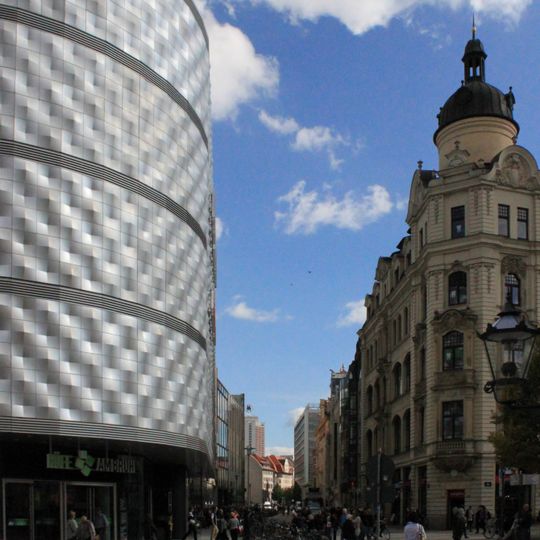
Brühl, street in Leipzig
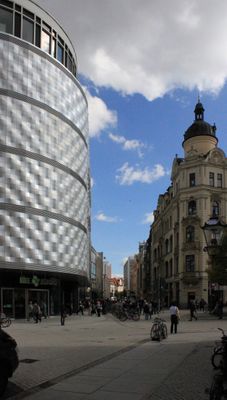
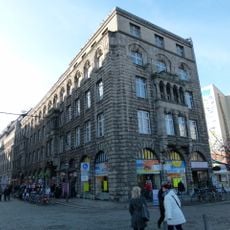
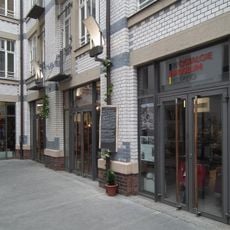
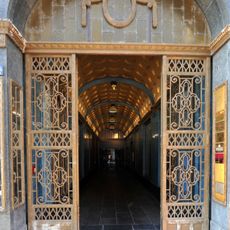
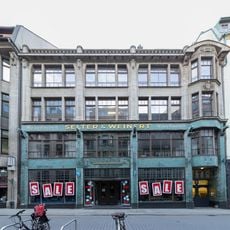
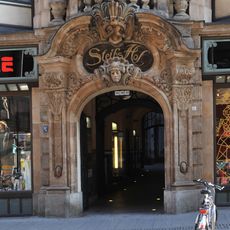
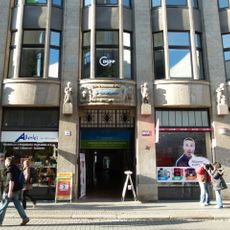
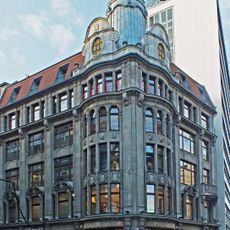
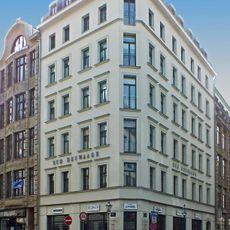
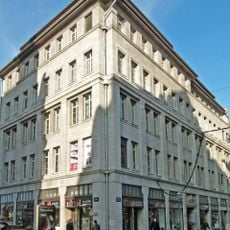
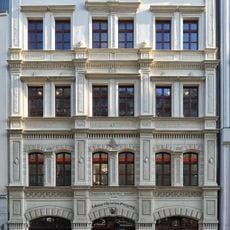
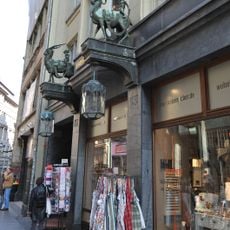
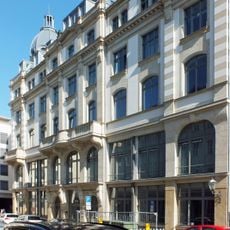
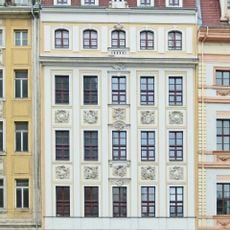
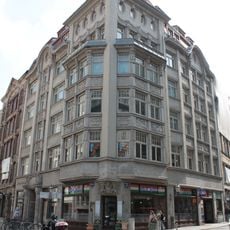
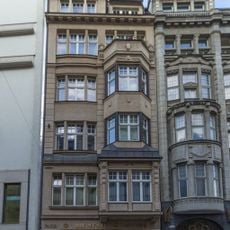
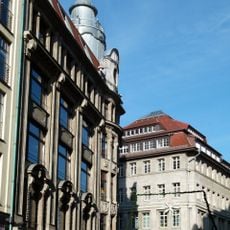
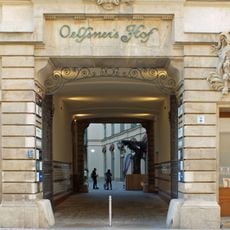
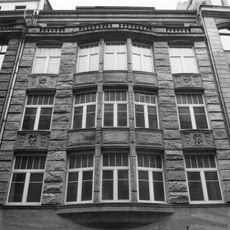
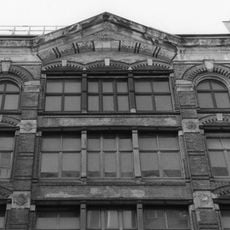
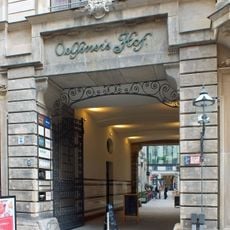
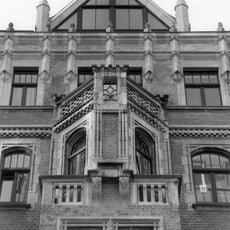
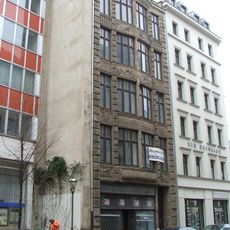
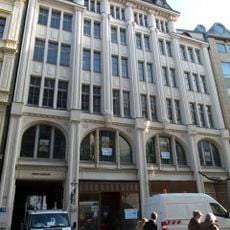
Brühl is a street in the heart of Leipzig's old city center that runs through the busy commercial district. Today it features a mix of reconstructed historic buildings and modern structures, with shops, restaurants, and offices that reflect the city's daily life.
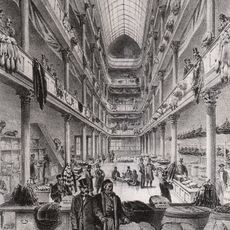
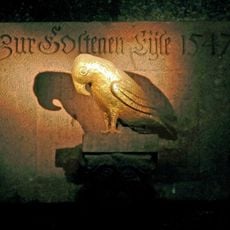
Brühl has been documented since around 1420 and was originally swampland that was drained in the 13th and 14th centuries. In the 18th and 19th centuries, the street developed into a major trading hub, especially for fur commerce, before being severely damaged during World War II.
The name Brühl comes from medieval times and refers to the swampy ground that once covered this area. From the 1700s to the 1900s, this street served as the center of Leipzig's fur trade and Jewish community, where people from many regions came together.
The street is easily reached by public transportation, with tram stops nearby and the main train station in close proximity. The western part is partly pedestrian-only, with some parking spaces and parking garages in the immediate area.
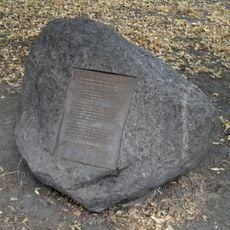
Composer Richard Wagner was born in 1813 in a house called the Red and White Lions on Brühl. Although the original building was torn down in 1886, a memorial plaque today marks his birthplace and keeps the connection alive.
The community of curious travelers
AroundUs brings together thousands of curated places, local tips, and hidden gems, enriched daily by 91,791 contributors worldwide.