Kerpen Castle, Medieval castle in Vulkaneifel, Germany
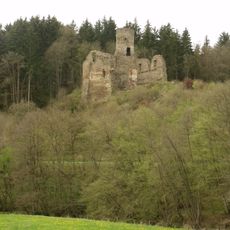
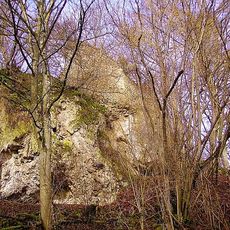
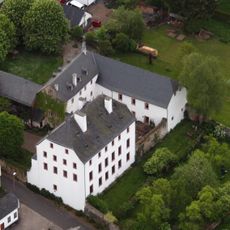
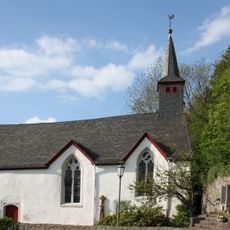
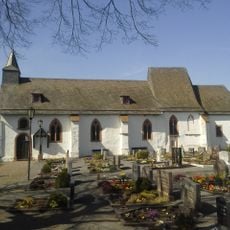
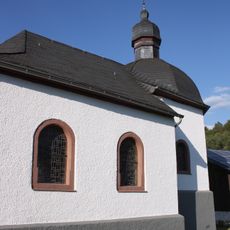
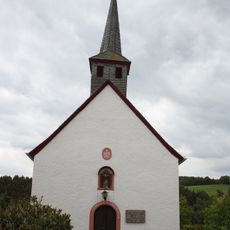
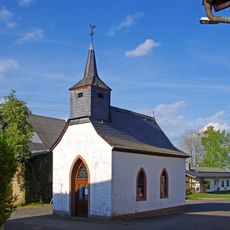
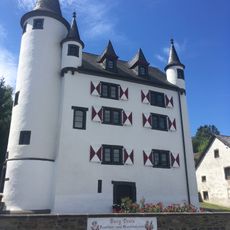
Kerpen Castle is a fortress complex on a dolomite hill in the Vulkaneifel and consists of several building sections from different periods. A Gothic chapel and a residential building with crenellations still define its appearance today.
The castle's origins are uncertain; it was probably built by Sigibertus de Kerpene, first documented in 1136, or his son Henry I. In 1265 Theodoric II of Kerpen made it a fief of Engelbert II of Falkenburg, Archbishop of Cologne. In 1674 the Imperial Chamber Court awarded Kerpen to the Duchess of Arenberg, ending over 200 years of inheritance disputes.
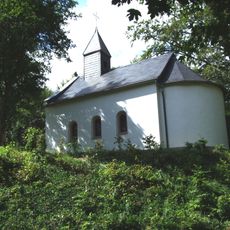
The castle gave its name to the lords of Kerpen, first recorded in 1136 as Sigibertus de Kerpene. In 1299 Theodoric III's sons founded the lines Kerpen-Linster, Kerpen-Mörsdorf and Kerpen-Illingen, who held the castle jointly as a Ganerbenburg. The Eifel painter Fritz von Wille, who bought it in 1911, was buried on the hill behind the castle after his death in 1941.
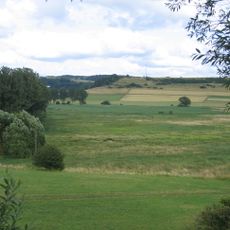
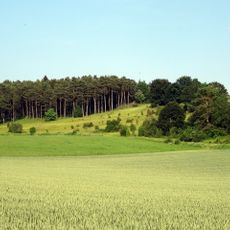
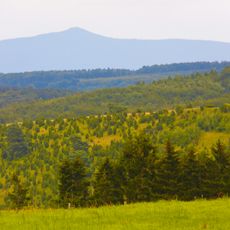
The castle is privately owned and can be viewed from outside, though approaching the grounds should be arranged beforehand. The best views come from the surrounding paths in the landscape.
The painter Fritz von Wille bought the castle in 1911 and carried out urgent repairs; when he died in 1941 he was buried on the hill behind it. The same year, the DEMAG company acquired the site as a training centre, and from 1950 the writer Alfred Andersch and his wife Gisela lived there for two years.
The community of curious travelers
AroundUs brings together thousands of curated places, local tips, and hidden gems, enriched daily by 93,383 contributors worldwide.