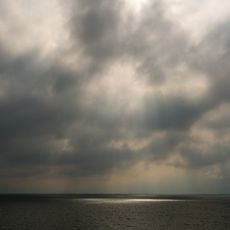
Seesand, High sand formation in North Sea, Germany
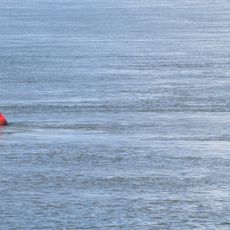
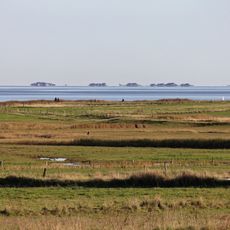
Seesand was a sand formation in the North Sea that extended several kilometers from north to south, reaching hundreds of meters at its widest point. It lay between Amrum Island and Hallig Hooge, serving as a recognizable feature in the seascape for vessels navigating these waters.
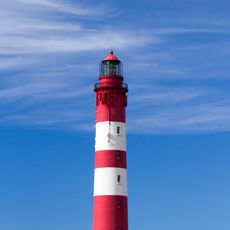
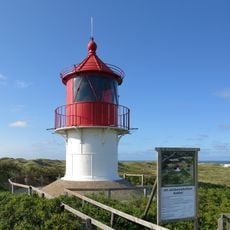
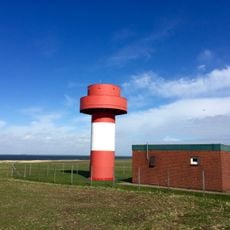
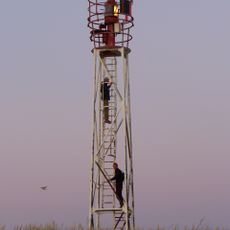
Danish authorities built a lighthouse on Seesand in July 1801 to guide ships through the Schmaltief passage. The sand formation vanished completely by April 1903, prompting the replacement of navigation aids with floating buoys.
The maritime navigation structure included a rescue chamber for shipwrecked sailors, demonstrating the North Sea communities' dedication to maritime safety.
Since the sand formation vanished long ago, the location is accessible only by boat in the North Sea, where one can approach the former position between Amrum and Hallig Hooge. Visitors should prepare for typical North Sea conditions and take local tides and weather patterns into account.
The sand formation was notorious for its instability and constantly shifted, making navigation particularly hazardous in this region. Despite efforts to stabilize it, nature ultimately could not be controlled, and it disappeared without trace into the sea.
The community of curious travelers
AroundUs brings together thousands of curated places, local tips, and hidden gems, enriched daily by 60,000 contributors worldwide.