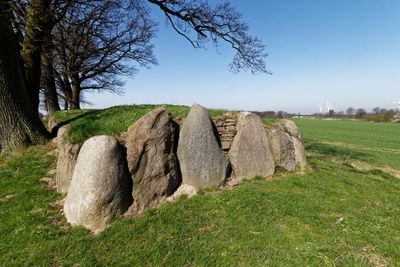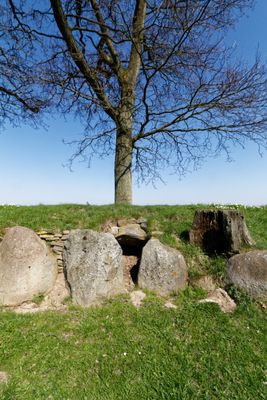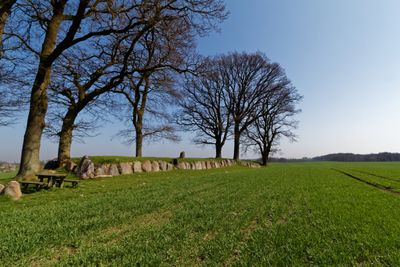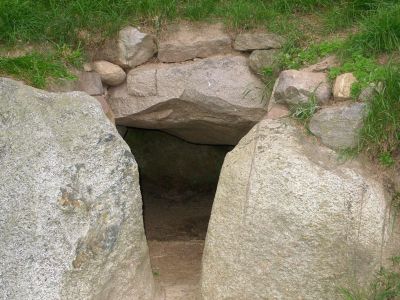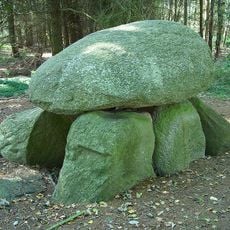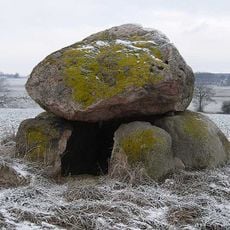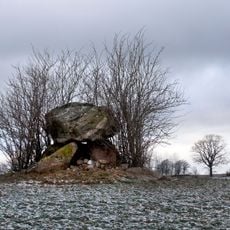
Karlsminde Longbarrow, Neolithic dolmen in Waabs, Germany
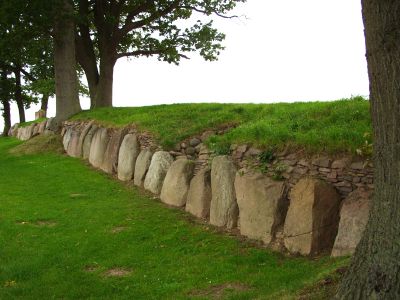
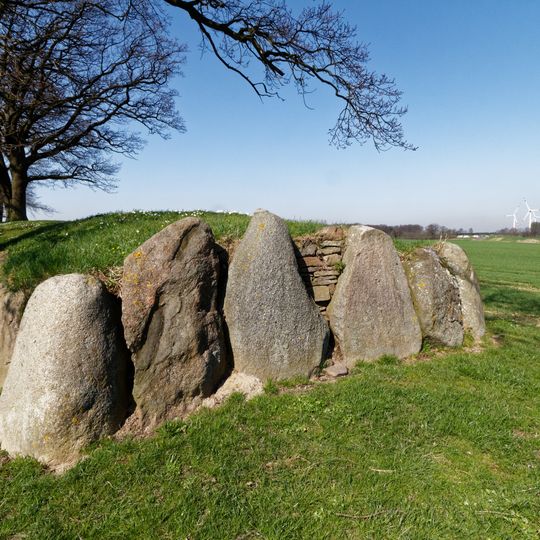
Karlsminde Longbarrow is a megalithic burial structure near Waabs built from massive stone blocks arranged to create distinct chambers. The monument stretches across the landscape with a linear design that reflects Neolithic building techniques and understanding of space.
The grave was built during the Stone Age and remained in use across multiple periods, with different peoples returning to bury their dead at the site. This long span of use demonstrates that the location held deep significance for successive generations living in the region.
The name comes from a local family connected to the site, reflecting how burial monuments became part of family identity and village history. Walking around the structure, you notice how the chambers were designed to accommodate ceremonial gatherings and mourning practices.
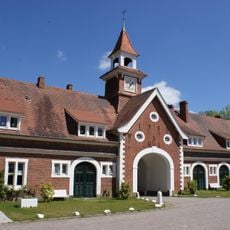
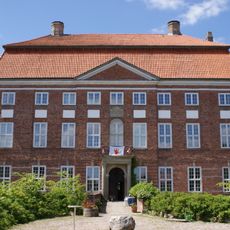
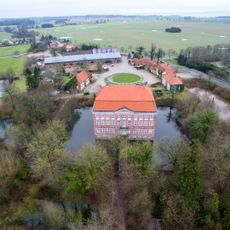
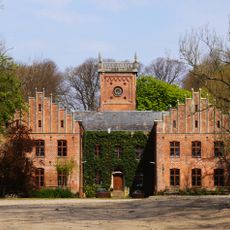
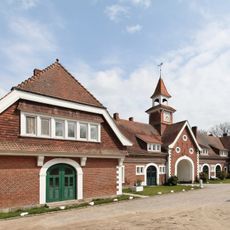
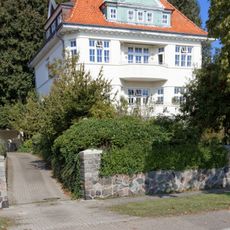
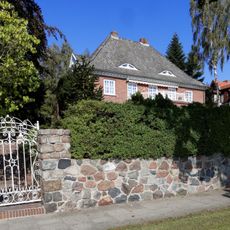
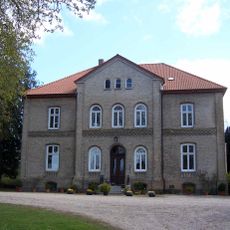
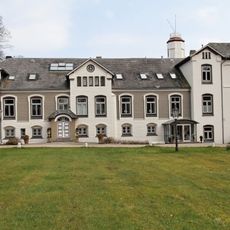
You can reach the site via marked walking paths positioned between two estate properties that serve as clear landmarks. Parking is available nearby, and the site remains accessible throughout the year, though you get the best view in dry weather.
What stands out is that this location served continuously as a burial place for thousands of years, making it a rare example of an enduring ritual site. This unbroken use by different cultures shows that certain sacred places retained their meaning across vastly different time periods.
The community of curious travelers
AroundUs brings together thousands of curated places, local tips, and hidden gems, enriched daily by 91,262 contributors worldwide.