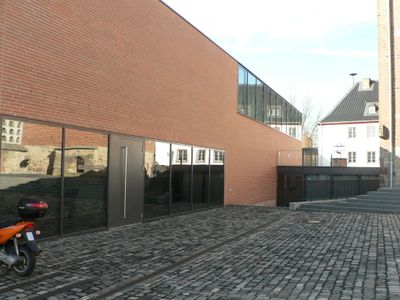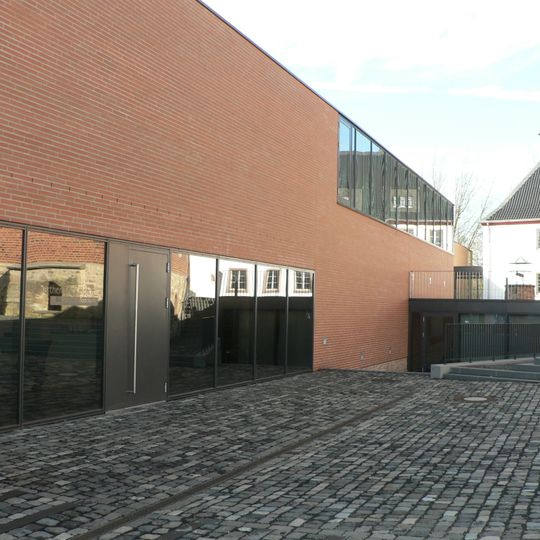
Museum der Badekultur, Zülpich, Roman bathing museum in Zülpich, Germany
The Museum der Badekultur displays a Roman bath complex with preserved rooms, water piping systems, and archaeological finds from the 2nd century. The site includes different sections such as heated, warm, and cold baths that were typical of Roman thermal facilities.
The bath complex dates back to the Roman period when this region was part of the empire and such facilities were regularly used. The structures were later rediscovered during construction work in the city and have since been studied.
The museum reveals how central public bathing was to Roman social life and how people spent their leisure time there. The displays show that bathhouses served not only for washing but also as gathering places where people met and relaxed together.
The site is best reached on foot and is accessible to wheelchair users. It is wise to check opening times before visiting, as these can vary depending on the season.
Visitors can admire the advanced Roman engineering, particularly the underground heating pipes that distributed hot water throughout the complex. This technical solution was extraordinary for its time and shows how well-designed the system was.
Location: Zülpich
Official opening: August 2008
Accessibility: Wheelchair accessible
Operator: LVR
Opening Hours: Monday off; Tuesday-Friday 10:00-17:00; Saturday, Sunday, Holidays 11:00-18:00
Website: http://roemerthermen-zuelpich.de
GPS coordinates: 50.69040,6.64780
Latest update: December 6, 2025 17:44
North Rhine-Westphalia contains many sites that demonstrate the historical and cultural richness of this German region. Millennia-old geological formations, Roman relics, medieval fortresses, and industrial era monuments reveal different aspects of the regional heritage. These destinations include the Zollverein coal mine industrial complex in Essen, a UNESCO World Heritage site that chronicles the history of the Ruhr area, and the archaeological park in Xanten featuring reconstructions of the Roman city Colonia Ulpia Traiana. The Augustusburg and Falkenlust castles in Brühl showcase 18th-century Rococo architecture, while the rock formations of Externsteine near Horn-Bad Meinberg highlight the geological and spiritual development of the region. Each site offers a unique insight into the history of North Rhine-Westphalia and warrants careful exploration.
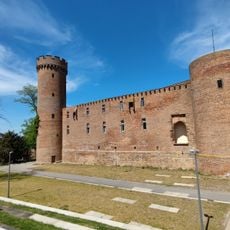
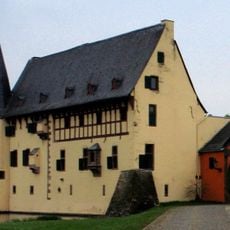
Zülpich Castle
69 m
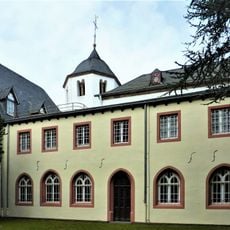
Kloster Marienborn
761 m
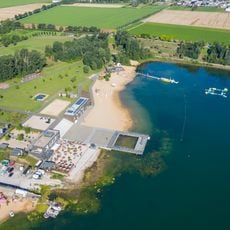
Seepark Zülpich
1.2 km
Burg Langendorf
3.2 km
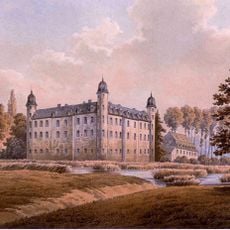
Schloss Bollheim
4.6 km
Burg Sinzenich
3.3 km
Sievernich Castle
4.2 km
Lauvenburg
2.8 km
Haus Dürffenthal
3.1 km
Wildenburg
5 km
Burg Juntersdorf
3.2 km
Haus Spitz
231 m
Embkener Mühle
4.8 km
St. Johann Baptist
4.4 km
St Kunibert's Church
3.5 km
Burg Linzenich
3.2 km
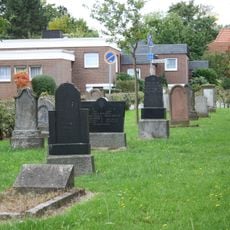
Jüdischer Friedhof
3.5 km
Neffelbachaue
3.6 km
Vlattener Bach zwischen Merzenich und Lövenich
2.3 km
St. Cyriakus
2.6 km
St. Ägidius
3.1 km
Neffelsee
1.6 km
St. Matthias (Oberelvenich)
4.3 km
St. Agnes
2.6 km
St. Severinus
2.7 km
St. Margareta
535 m
St. Kunibert
5.1 km
Beinhaus St. Severinus (Merzenich, Zülpich)
2.7 kmReviews
Visited this place? Tap the stars to rate it and share your experience / photos with the community! Try now! You can cancel it anytime.
Discover hidden gems everywhere you go!
From secret cafés to breathtaking viewpoints, skip the crowded tourist spots and find places that match your style. Our app makes it easy with voice search, smart filtering, route optimization, and insider tips from travelers worldwide. Download now for the complete mobile experience.
A unique approach to discovering new places❞
— Le Figaro
All the places worth exploring❞
— France Info
A tailor-made excursion in just a few clicks❞
— 20 Minutes