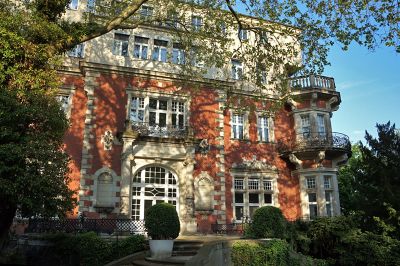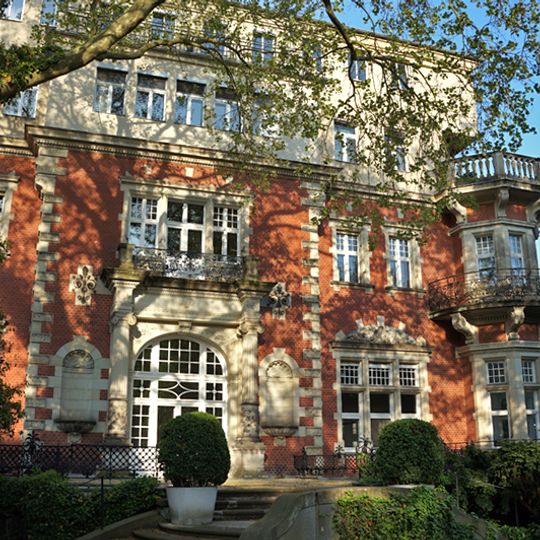
Siemens-Villa, Renaissance villa in Wannsee, Germany.
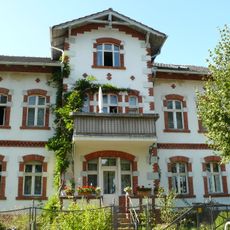
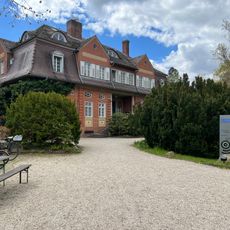
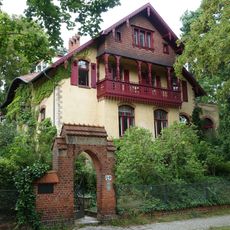
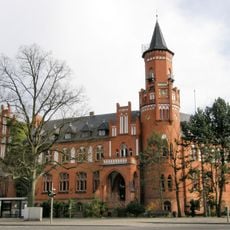
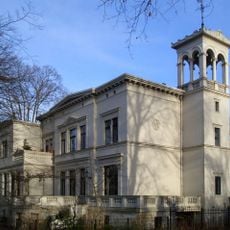
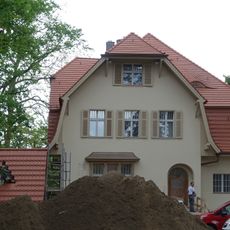
The Siemens-Villa is a residential mansion featuring brick facades, timber framing, and stone details, constructed between 1886 and 1889 on a sloping property near the Wannsee. The building showcases columned halls with round arch windows and Sgraffito decorations, while the expansive surrounding park includes a terrace and observation platform.
Arnold von Siemens, eldest son of inventor Werner von Siemens, commissioned architects Paul and Walter Hentschel to build this residence in 1886. After World War II, the damaged building was converted in 1952 and has served as Immanuel Hospital since then.
The residence once served as the home of a prominent industrial family and shaped the character of the Wannsee area as a symbol of wealth and business success. Today, visitors can still sense the elegance of this living culture in the preserved spaces, reflecting how wealthy Berliners lived around 1900.
The villa sits on a sloping property near the Kleine Wannsee and is best explored on foot, with the park offering several walking paths and viewpoints. Visitors should wear comfortable shoes since the terrain's topography requires navigating different levels throughout the grounds.
After war damage, the upper levels were removed and two new floors were added to accommodate hospital functions, fundamentally altering the building's appearance. This transformation shows how historical homes in Berlin adapted their purpose to remain useful in the post-war period.
The community of curious travelers
AroundUs brings together thousands of curated places, local tips, and hidden gems, enriched daily by 91,118 contributors worldwide.