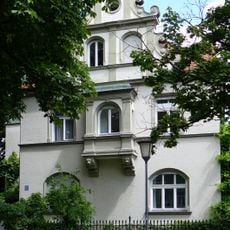
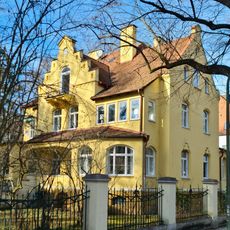
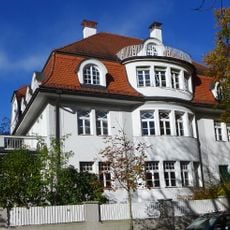
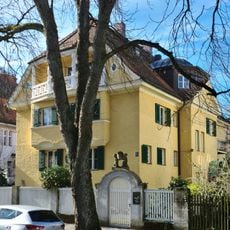
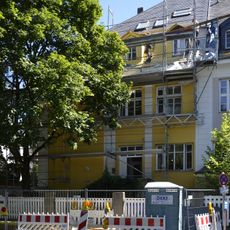
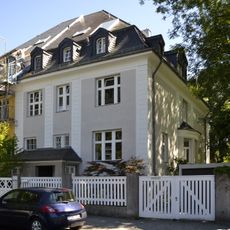
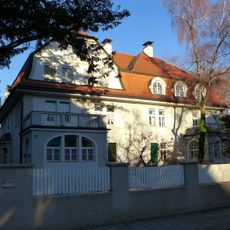
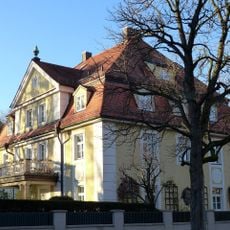
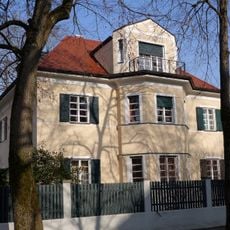
Villenkolonie Neuwittelsbach, Cultural heritage ensemble in Neuhausen district, Munich, Germany.
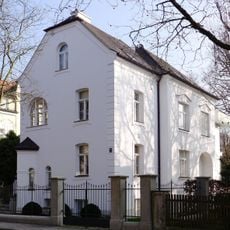
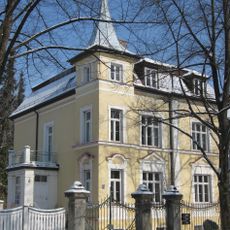
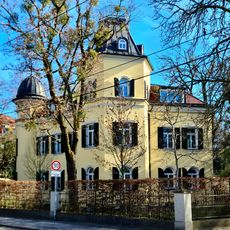
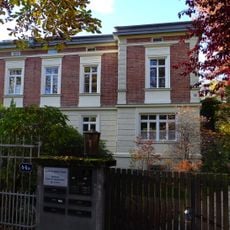
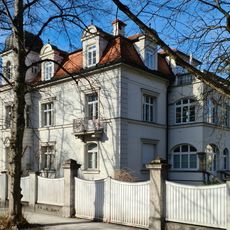
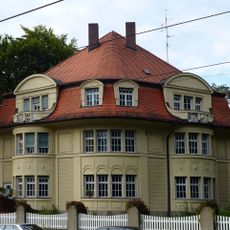
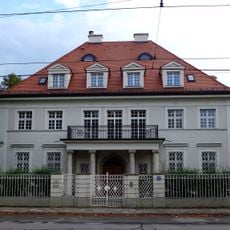
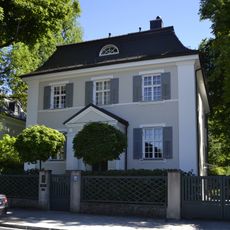
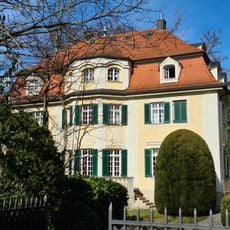
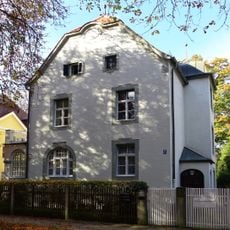
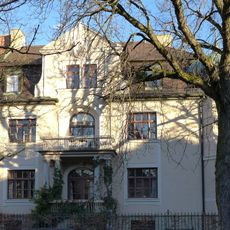
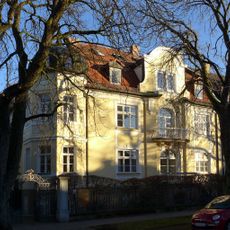
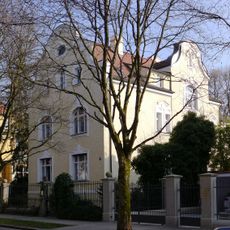
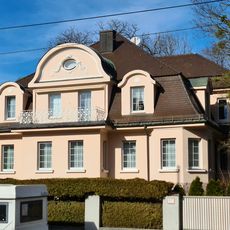
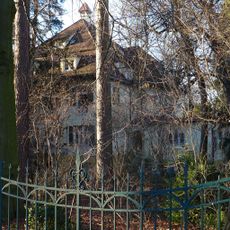
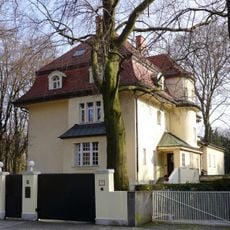
Villenkolonie Neuwittelsbach is a late 19th-century residential enclave in Munich's Neuhausen district featuring grand villas spread across large, tree-planted properties. The settlement unfolds through wide tree-lined avenues with private gardens that create a quiet, green residential character.
The colony began developing after 1880 south of the Nymphenburg Canal as a planned residential layout for Munich's wealthy residents. Its founding marked the 700th anniversary of the House of Wittelsbach, establishing the district's identity.
The neighborhood reflects how wealthy Munich residents lived around 1900, with spacious properties and private gardens that still shape the streetscape today. The architecture shows personal tastes side by side, mixing historicist and Art Nouveau elements that tell a story about shared prosperity.
The neighborhood is best explored on foot since the villas are set in a quiet residential area with streets like Aiblinger, Lachner, and Flüggen easy to navigate. Public transport connections are available, and there is plenty of space for walking along the tree-lined avenues.
Each villa in the colony was designed for a single wealthy patron, which explains why the buildings look completely different despite their connection. This individual design within an overall plan created a rare example of 1880s residential planning where diversity and order coexisted.
The community of curious travelers
AroundUs brings together thousands of curated places, local tips, and hidden gems, enriched daily by 92,126 contributors worldwide.