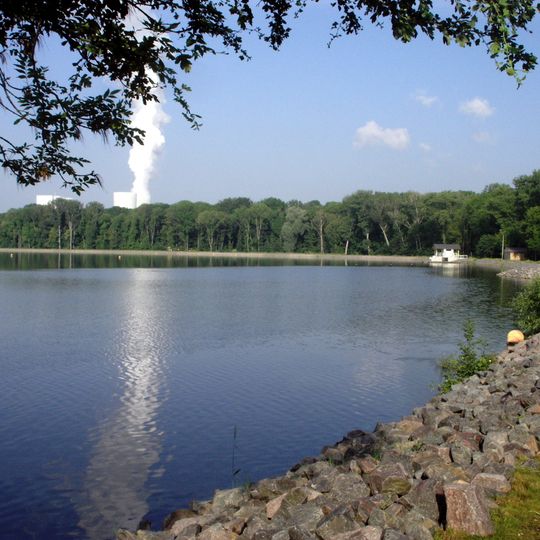
Stausee Rötha, reservoir in Germany
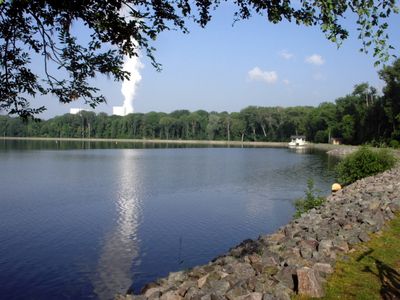
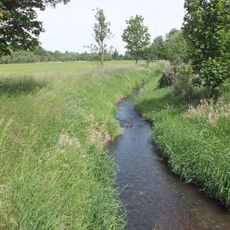
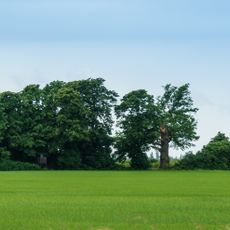
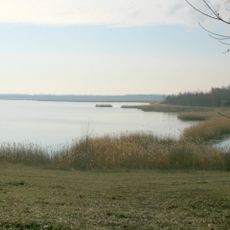
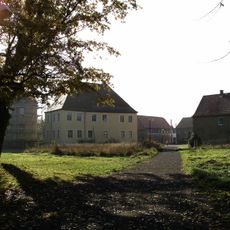
The Stausee Rötha is a reservoir located south of the town of Rötha in Germany. The water body covers a large area with gently sloping banks and is bordered by wooded areas of the Pleiße floodplain.
The reservoir was constructed between 1938 and 1940 by Sächsische Werke to supply water to nearby coal power plants and manage flooding in the region. Starting in the 1960s, a significant portion was drained for open-pit coal mining expansion, reducing the water surface by half.
The lake takes its name from the nearby village of Rötha. Today, locals and visitors use the area for walking, fishing, and relaxing by the water in what has become a neighborhood gathering spot.
The lake has well-maintained paths for walking along its shores and is easily accessible for visitors wanting to explore the area. The flat terrain and open spaces make activities like strolling and fishing straightforward and comfortable for most people.
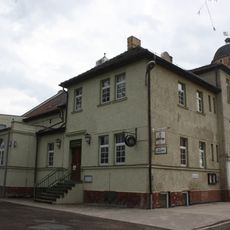
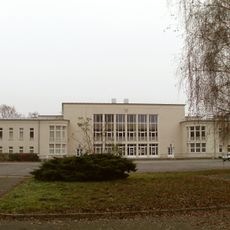
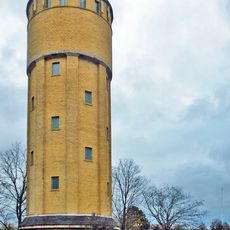
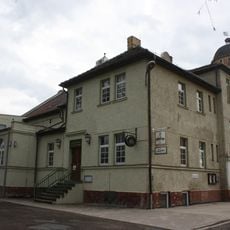
Two historic pumping stations built in 1940 still stand at the lake, protected as landmarks from when it supplied coal power plants with water. These structures remain as quiet reminders of the engineering that once kept the industrial system running.
The community of curious travelers
AroundUs brings together thousands of curated places, local tips, and hidden gems, enriched daily by 91,255 contributors worldwide.