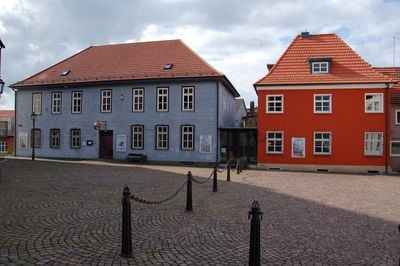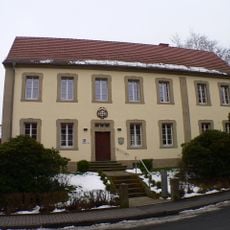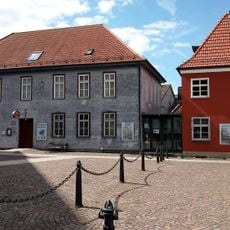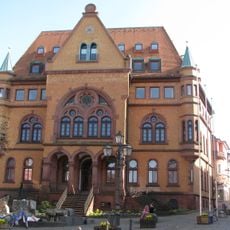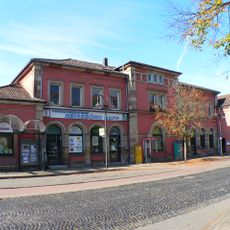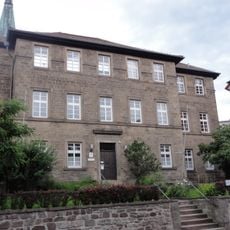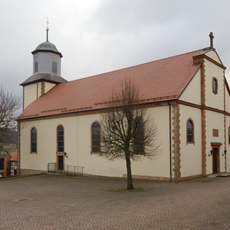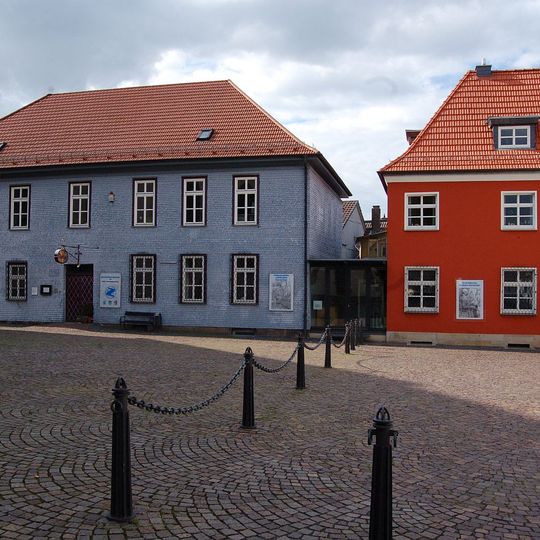
Konrad-Zuse-Museum Hünfeld mit Stadt- und Kreisgeschichte, Computer history museum in Hünfeld, Germany.
The Konrad-Zuse-Museum in Hünfeld is a computer museum with original machines, documents, and photographs about how computing devices developed in the twentieth century. The collections also show the history of the city and surrounding area through historical objects from different parts of local life.
The museum was founded in 1910 by a local history group and opened its first exhibitions in 1912 with objects from the region. Over time the collection grew to include important items about computer history and the development of electronic data processing.
The museum displays how people in the region lived and worked in the past, showing local crafts, traditional tools, and everyday objects from different centuries. Visitors can see how daily life changed as new technologies arrived in the community.
The museum is open in the afternoon on Tuesday, Wednesday, Friday, Saturday, and Sunday, with partial wheelchair access available. Visitors should check ahead which exhibition areas work best for their needs.
The museum displays working replicas of Konrad Zuse's early computers, including the Z3, which is considered the world's first programmable computer. These replicas help visitors understand how these pioneering machines actually worked.
The community of curious travelers
AroundUs brings together thousands of curated places, local tips, and hidden gems, enriched daily by 92,818 contributors worldwide.