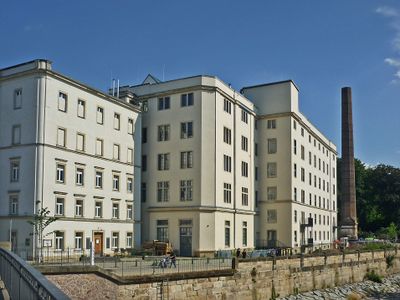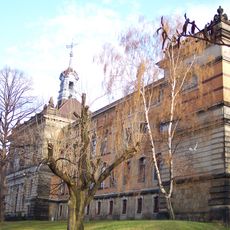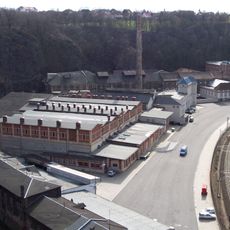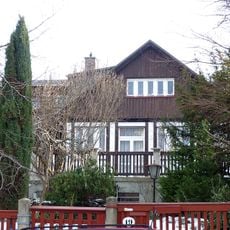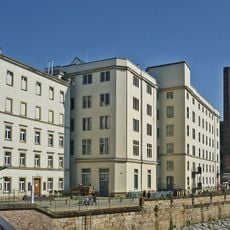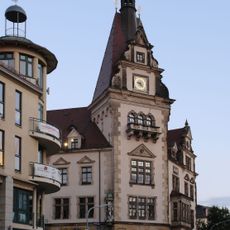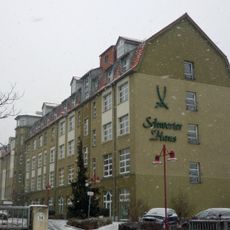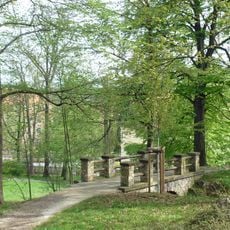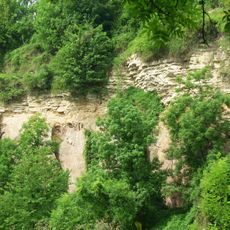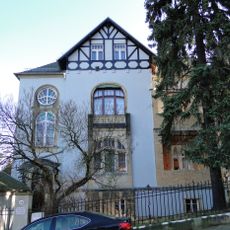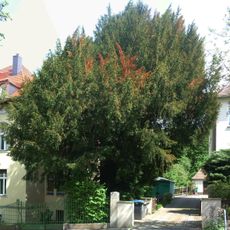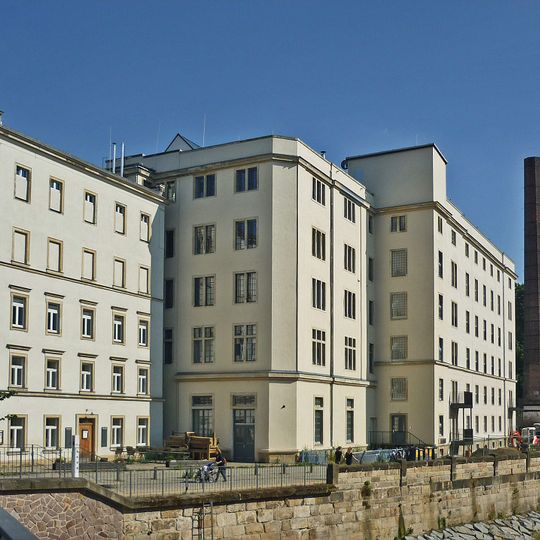
Bienertmühle Plauen, Industrial watermill in Dresden-Plauen, Germany.
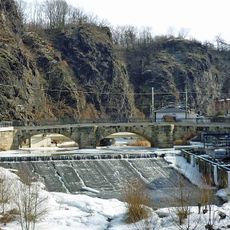
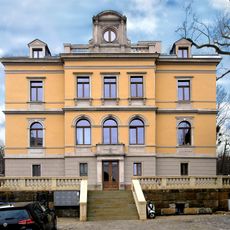
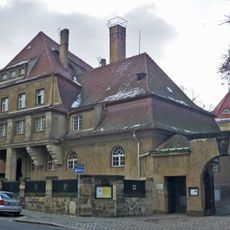
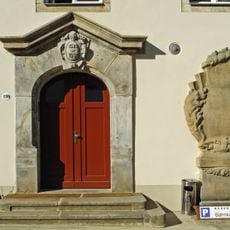
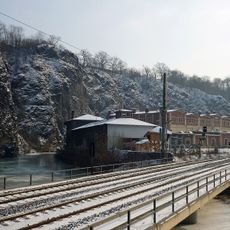
The Bienertmühle Plauen is a former milling complex on the banks of the Weißeritz river in the Plauen district of Dresden, made up of several interconnected stone buildings spanning different periods. The site includes the original mill structures, a weir, and various outbuildings, all of which have been converted for mixed residential and commercial use.
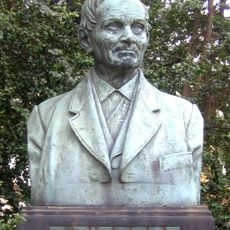
A mill was first built on this site in 1568, replacing an earlier facility that had stood nearby along the Weißeritz. When Gottlieb Traugott Bienert took over in 1852, he expanded the operation substantially and turned it into one of the largest grain processing sites in Saxony.
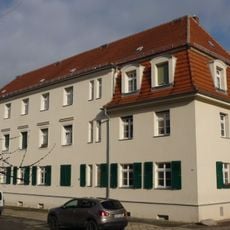
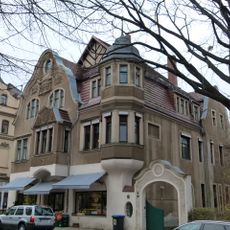
The mill sits in the Dresden district of Plauen, an area long shaped by the Weißeritz river and its role in grain and textile processing. Today the old buildings house apartments, studios, and small shops, giving the site a mix of past industry and everyday neighborhood life that visitors can easily sense.
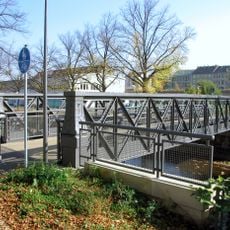
The site is easy to reach on foot from the Plauener Bridge and sits along the Weißeritz, making it straightforward to combine with a walk along the riverbank. Some parts of the complex are privately occupied, so visitors should expect to explore the outer areas and any sections open to the public.
In 1858 the mill was among the first in the region to combine steam power and water power within the same operation, running both side by side. This meant that when the Weißeritz ran low, the steam engines kept production going without any pause.
The community of curious travelers
AroundUs brings together thousands of curated places, local tips, and hidden gems, enriched daily by 92,011 contributors worldwide.