Aarhus, Port city in eastern Jutland, Denmark
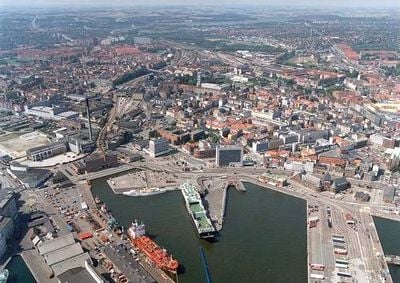
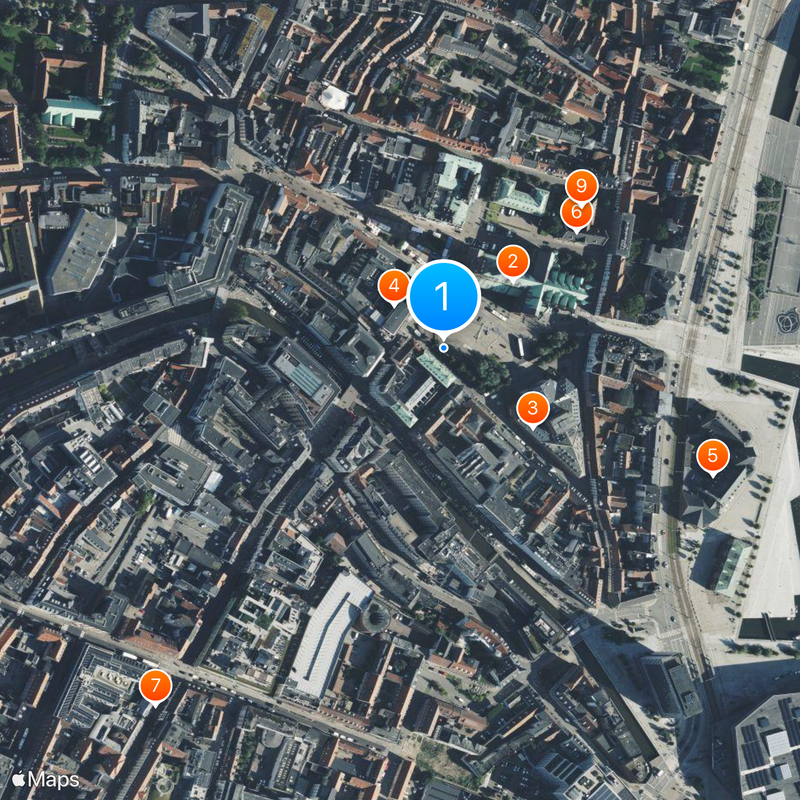
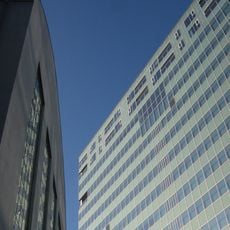
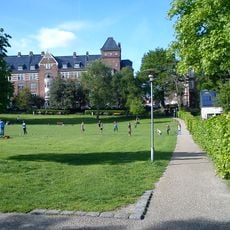
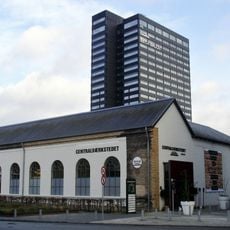
Aarhus sits on the bay of the same name in eastern Jutland, linking residential neighborhoods, university campuses, and business zones with wide cycle lanes and public transport. The city center starts at the river course, where pedestrian streets meet modern office towers and shopping arcades, while outer districts merge into gentle hills and forests.
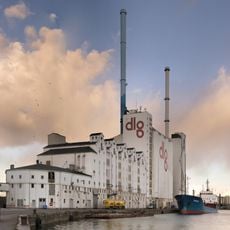
Vikings founded a trading post at the river mouth in the 8th century to exchange goods between Scandinavia and mainland Europe. During the Middle Ages the settlement grew into a town, received market rights and became a bishop's seat, before industrial enterprises expanded the harbor from the 19th century onward.
The Latin street sign Skolegade and several medieval house remnants in the pedestrian zone recall the first Christian churches and markets in town. Many street names originate from the trading era, when merchants and craftsmen named certain lanes after their professions.
The main railway station sits in the city center and offers direct connections to Copenhagen and other Danish cities. Buses and trains run regularly, while cycle routes reach most districts safely and on flat terrain.
The open-air museum Den Gamle By displays 75 original Danish buildings from several centuries, relocated here from across the country. Visitors can walk through reconstructed streetscapes from different periods and see how homes and workshops were once furnished.
The community of curious travelers
AroundUs brings together thousands of curated places, local tips, and hidden gems, enriched daily by 90,824 contributors worldwide.