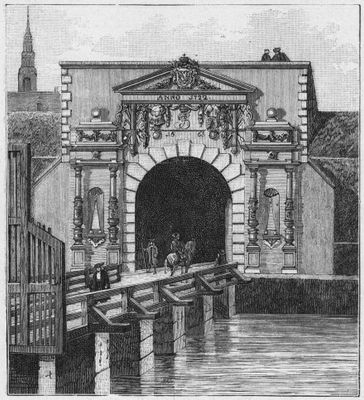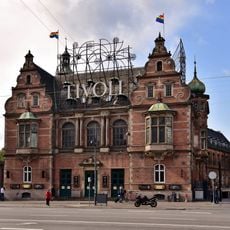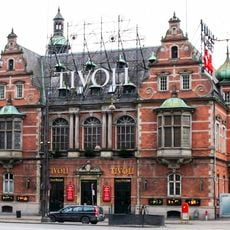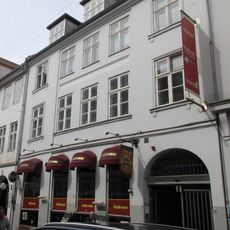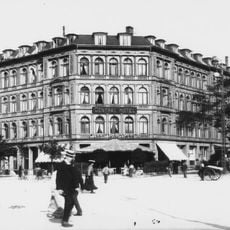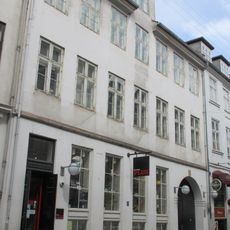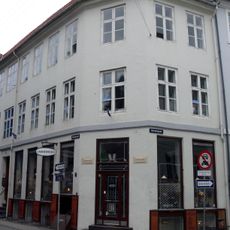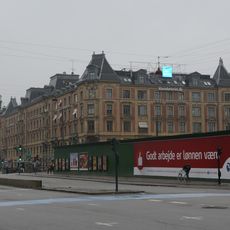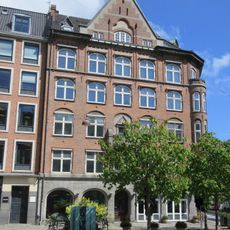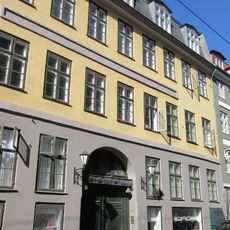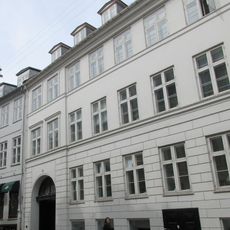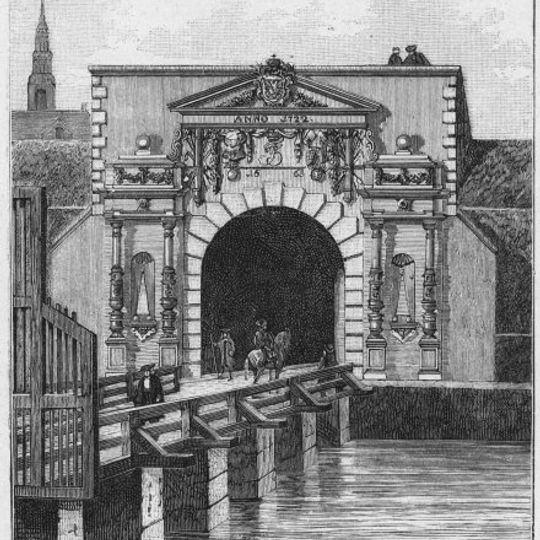
Vesterport, City gate in Copenhagen, Denmark.
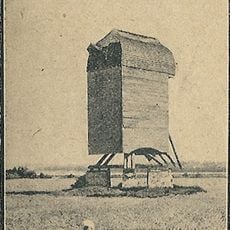
Vesterport was one of Copenhagen's main entrance gates and marked the boundary between the inner city and the western district. The gate functioned as part of a fortification system that controlled traffic during a period when the city required defensive measures.
The gate was built in the 18th century as part of Copenhagen's fortification system and served during the city's medieval and early modern defense period. As the city expanded in the 19th century, the gate was removed and its original defensive purpose became obsolete.
The gate served as a symbolic boundary between the city center and the western neighborhoods, shaping how people moved through and understood Copenhagen's layout. This division influenced the character of each area and remains visible in how residents still view these districts separately.
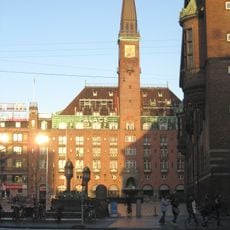
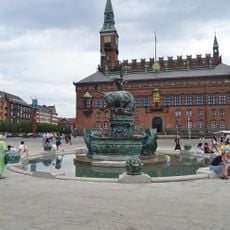
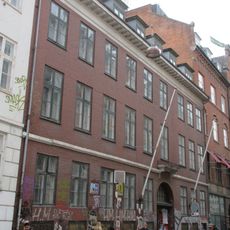
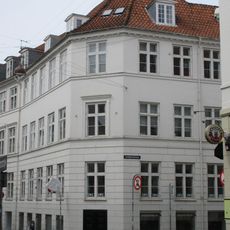
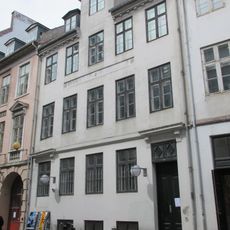
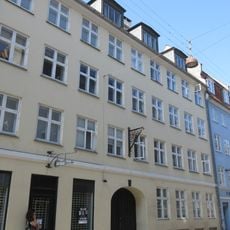
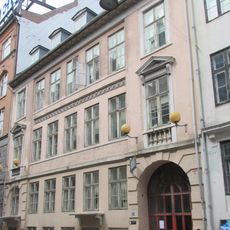
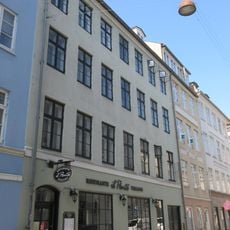
The former gate site is located in the city center near the modern Vesterport train station on the western edge of downtown. The area is easily walkable and contains several information plaques that explain the site's historical significance.
The name of the Vesterbro district comes directly from this gate, as 'bro' refers to the paved road that ran through this western entrance. Though the physical structure vanished long ago, its influence on Copenhagen's layout remains visible in the neighborhood's name.
The community of curious travelers
AroundUs brings together thousands of curated places, local tips, and hidden gems, enriched daily by 92,534 contributors worldwide.